Saturday, June 6, 2026
Village Voice News
ADVERTISEMENT
  • Home
  • News
  • Sports
  • Editorial
  • Letters
  • Global
  • Columns
    • Eye On Guyana
    • Hindsight
    • Lincoln Lewis Speaks
    • Future Notes
    • Blackout
    • From The Desk of Roysdale Forde SC
    • Diplomatic Speak
    • Mark’s Take
    • In the village
    • Mind Your Business
    • Bad & Bold
    • The Voice of Labour
    • The Herbal Section
    • Politics 101 with Dr. David Hinds
    • Talking Dollars & Making Sense
    • Book Review 
  • Education & Technology
  • E-Paper
  • Contact Us
No Result
View All Result
  • Home
  • News
  • Sports
  • Editorial
  • Letters
  • Global
  • Columns
    • Eye On Guyana
    • Hindsight
    • Lincoln Lewis Speaks
    • Future Notes
    • Blackout
    • From The Desk of Roysdale Forde SC
    • Diplomatic Speak
    • Mark’s Take
    • In the village
    • Mind Your Business
    • Bad & Bold
    • The Voice of Labour
    • The Herbal Section
    • Politics 101 with Dr. David Hinds
    • Talking Dollars & Making Sense
    • Book Review 
  • Education & Technology
  • E-Paper
  • Contact Us
No Result
View All Result
Village Voice News
No Result
View All Result
Home Columns The Herbal Section

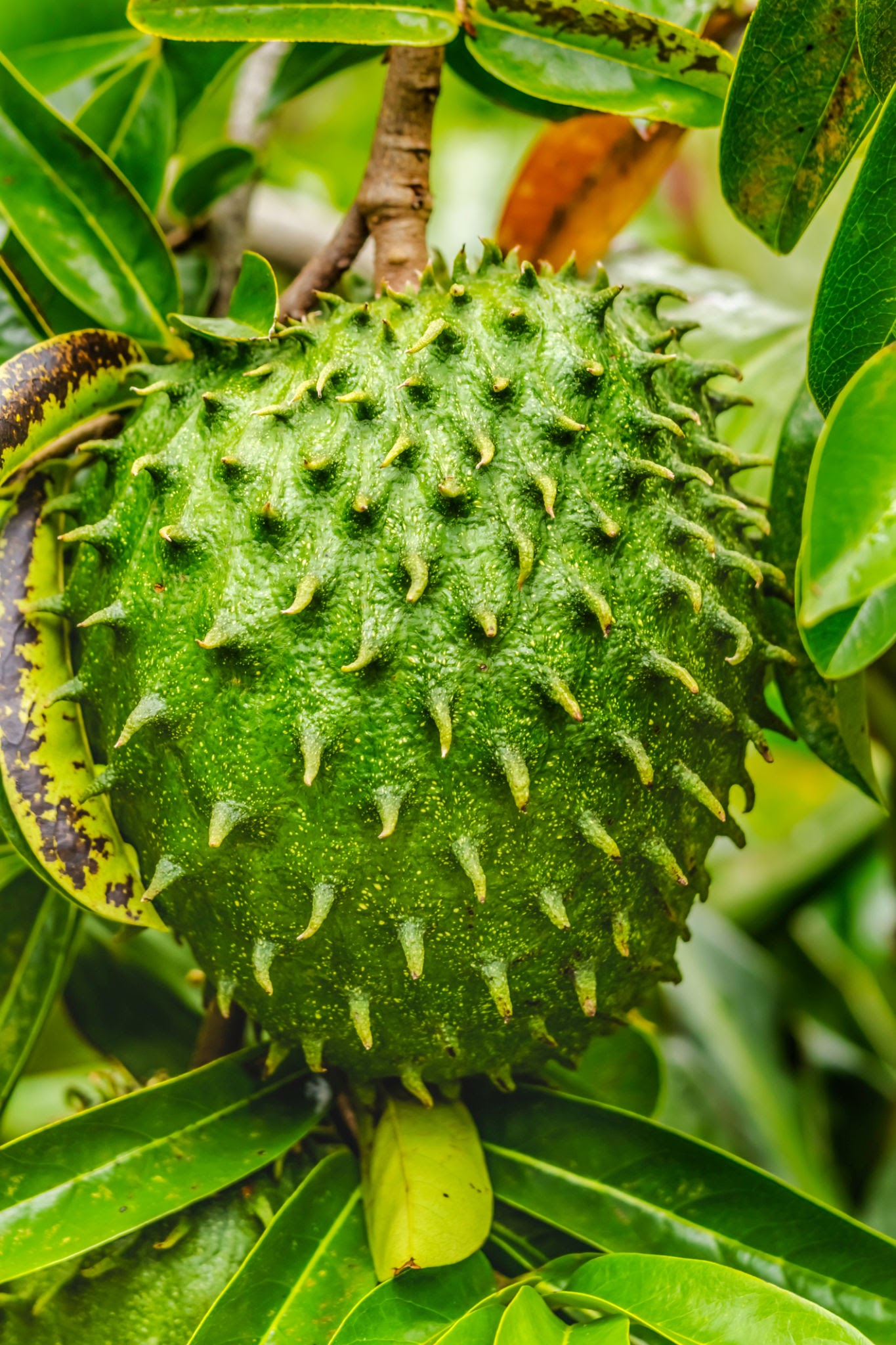
Soursop

Admin by Admin
April 16, 2023
in The Herbal Section
0
SHARES
0
VIEWS
Share on FacebookShare on Twitter

Where is it found?

It is a fruit tree native to tropical America (probably the West Indies) but is also cultivated in other tropical and subtropical regions of the world, including India. In the United States, the tree is grown and its fruit marketed in Florida and other regions

READ ALSO

Astragalus: An Ancient Root With Health Benefits

Bupleurum- Benefits, Downsides, and Effectiveness

Parts of the plant used:

Fruit, leaves, bark and root.

How is it used?

  • The fruit is consumed fresh or made into juices and smoothies. The leaves are taken as a tea.
  • The seeds are crushed to make a poultice against head lice (see precautions below).
  • The fruit (in spite of the common name “soursop”) is sweet, soft, and smooth.
  • It provides various nutrients including vitamins C and B (including thiamin, riboflavin and niacin) as well as minerals: calcium, phosphorus, and iron (González-Stuart, 2014; Small, 2012; Duke, 1986; Morton, 1979).

What is it used for?

In traditional herbal medicine, the fruit and leaves of the tree are used to relieve digestive ailments (including diarrhea), pain, hypertension, inflammation, fever, coughs, and asthma, among many other medical afflictions.

A tea made from the leaves has been reported to have a soothing and calming action, especially for insomnia and nervous disorders, but should not be used in small children.

The seeds can be toxic and are used to make a liquid hair wash to kill lice, but caution should be taken, as the liquid is very irritating to the eyes.

The leaves and fruits contain natural compounds that could potentially be beneficial for prostate as well as other cancers, although more scientific studies are needed.

Some studies have shown that the plant’s active ingredients possess antioxidant, anticancer, anticonvulsant, anti-arthritic, anti-parasitic, anti-malarial, liver protective and anti-diabetic effects.

Soursop extracts have a promising potential for treating gastric ulcers.

A study showed that an alcohol-based extract of soursop possessed antiviral activity.

Extracts made from the rind of the fruit showed antimicrobial activity.

Safety/Precautions:

  • The delicious fruit is safe to eat and nutritious, but the seeds are toxic and should not be consumed.
  • Tea made from the leaves should be avoided during pregnancy
  • Do not take tea for long periods of time and avoid use in small children
  • Due to its blood glucose lowering effects, supplements containing soursop should be taken with caution by patients taking anti-diabetic medications.
  • Due to its blood pressure lowering effects, supplements containing soursop should be taken with caution by patients taking antihypertensive medications.

Compilation by Armando Gonzalez Stuart, PhD (https://www.utep.edu/herbal-safety/)
ShareTweetSendShareSend

Related Posts

Astragalus: An Ancient Root With Health Benefits
Herbal Section

Astragalus: An Ancient Root With Health Benefits

by Admin
May 31, 2026

Astragalus is a plant that can be taken as a supplement or made into liquid extracts, teas, and powders. Health...

Read moreDetails
Bupleurum
Herbal Section

Bupleurum- Benefits, Downsides, and Effectiveness

by Admin
May 24, 2026

Bupleurum is an herbal supplement created from the root of the plant Bupleurum chinense. It has been used in traditional Chinese...

Read moreDetails
Licorice root (google photo)
Herbal Section

Health Benefits of Licorice Root

by Admin
May 17, 2026

Key Takeaways Licorice root has been used for centuries to support digestive, respiratory, and skin health. Consuming too much licorice...

Read moreDetails
Next Post

Discourses on rights and governance must be frank and open about problems facing society


EDITOR'S PICK

Woman with the flu (Stock file photo)

PAHO says countries must be prepared to deal with triple infection threat

November 18, 2022
Technical Advisor on Forestry, Godfrey Marshall receiving a plaque from Minister of Natural Resources, Vickram Bharrat for his longstanding service

From Forest Guard to Technical Advisor  

April 10, 2022

Our youth are undoubtedly the next future leaders

July 17, 2025

Ali says all of the US-donated ç vaccines will be for children

July 2, 2021

© 2024 Village Voice

No Result
View All Result
  • Home
  • News
  • Sports
  • Editorial
  • Letters
  • Global
  • Columns
    • Eye On Guyana
    • Hindsight
    • Lincoln Lewis Speaks
    • Future Notes
    • Blackout
    • From The Desk of Roysdale Forde SC
    • Diplomatic Speak
    • Mark’s Take
    • In the village
    • Mind Your Business
    • Bad & Bold
    • The Voice of Labour
    • The Herbal Section
    • Politics 101 with Dr. David Hinds
    • Talking Dollars & Making Sense
    • Book Review 
  • Education & Technology
  • E-Paper
  • Contact Us

© 2024 Village Voice