More than 160 Haitians have been deported from the United States following the end of Temporary Protected Status for hundreds of thousands of Haitian nationals.
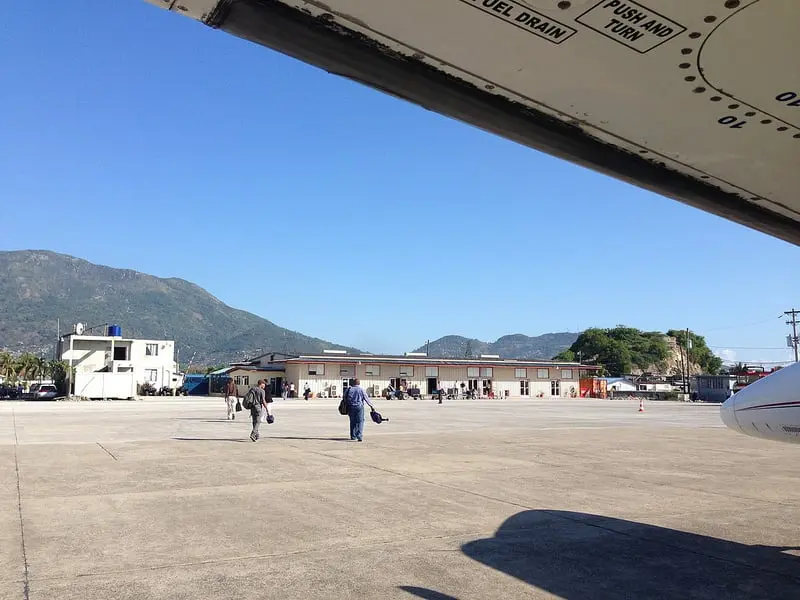
A plane carrying 161 deportees landed Thursday in Cap-Haitien in northern Haiti, rather than Port-au-Prince, where ongoing gang violence has made travel increasingly dangerous, according to CBS News.
The deportation flight comes after the U.S. ended TPS protections affecting roughly 350,000 Haitians who had been permitted to live and work legally in the country.
The U.S. government currently prohibits commercial flights to Haiti’s capital because of security concerns, with the restriction in place through early September.
Jean Négot Bonheur Delva, director general of Haiti’s National Office of Migration, said the group arriving Thursday included TPS holders as well as Haitians who had completed prison sentences in the United States.
“It is not the Haitian state that asks for them to be sent back,” Delva said. “Our mission is to welcome migrants of forced return. We welcome them with the aim of accompanying them to their home.”
Delva said some of those deported were not born in Haiti but are of Haitian descent, potentially complicating efforts to resettle them.
He highlighted the case of one deportee who was born in the Dominican Republic and reportedly knew little about Haiti.
“There is one migrant who knows nothing about Haiti because he said he was coming from the Dominican Republic; that’s where he was born,” Delva said.
Haitian authorities will attempt to connect the man with relatives in Haiti or the Dominican Republic, where his parents are living.
Several deportees planned to travel to southern Haiti, according to Delva, despite serious security risks along the journey. Armed gangs control key routes leading to parts of the country’s south and have been accused of opening fire on vehicles.
Others planned to travel to western Haiti.
Haitian immigration authorities provided the returning migrants with food and drinks and up to $65 in financial assistance.
“Those who cannot reach their homes today, we will host them in secure spaces and the next day the process will continue until all migrants return home as they should,” Delva said.
It was not immediately clear how many of the 161 deportees had been living in the United States under TPS.
Haitians have received TPS protections in the United States since 2010, when a devastating earthquake killed hundreds of thousands of people and displaced more than 1 million.
The U.S. Supreme Court in June allowed the federal government to move forward with ending TPS protections, affecting immigrants from Haiti and several other countries.
Legal challenges subsequently returned to lower courts, but the federal government had not extended work permits for Haitian TPS holders by late July.
Earlier this month, a federal judge in Washington lifted an order that had prevented the deportation of Haitians covered by TPS, clearing another legal obstacle to removals.