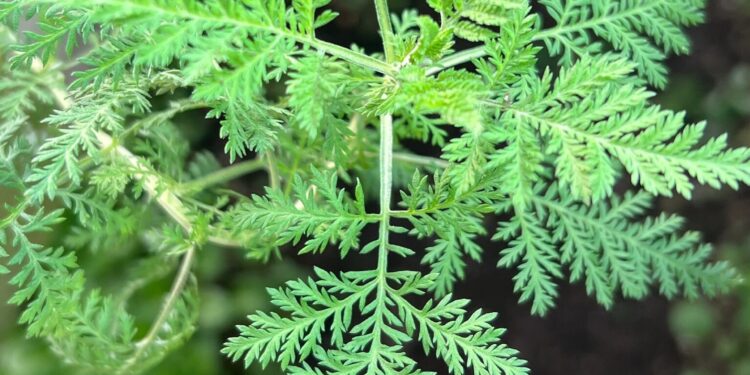
What is sarsaparilla?
Sarsaparilla is a tropical plant from the genus Smilax. The climbing, woody vine grows deep in the canopy of the rainforest. It’s native to South America, Jamaica, the Caribbean, Mexico, Honduras, and the West Indies.
History
For centuries, indigenous people around the world used the root of the sarsaparilla plant for treating joint problems like arthritis, and for healing skin problems like psoriasis, eczema, and dermatitis. The root was also thought to cure Hansen’s disease (leprosy) due to its “blood-purifying” properties.
Sarsaparilla was later introduced into European medicine and eventually registered as an herb in the Unites States Pharmacopoeia to treat syphilis.
Sarsaparilla drink
Sarsaparilla is also the common name of a soft drink that was popular in the early 1800s. The drink was used as a home remedy and was often served in bars.
Contrary to popular belief, the sarsaparilla soft drink was typically made from another plant called sassafras. It has been described as a similar taste to root beer or birch beer. The drink is still popular in certain Southeast Asian countries, but is no longer common in the United States.
Though it can be found online and in specialty stores, today’s sarsaparilla drinks don’t actually contain any sarsaparilla or sassafras. Instead they contain natural and artificial flavoring to mimic the taste.
The benefits
Sarsaparilla contains a wealth of plant chemicals thought to have a beneficial effect on the human body. Chemicals known as saponins might help reduce joint pain and skin itching, and also kill bacteria. Other chemicals may be helpful in reducing inflammation and protecting the liver from damage. It is important to note that human studies for these claims are either very old or lacking. The studies referenced below used the individual active components in this plant, individual cell studies, or mice studies. While the results are very intriguing, human studies are needed to support the claims.
1. Psoriasis
The benefits of sarsaparilla root for treating psoriasis were documented decades ago. One study found that sarsaparilla dramatically improved skin lesions in people with psoriasis. The researchers hypothesised that one of sarsaparilla’s main steroids, called sarsaponin, is able to bind to endotoxins responsible for the lesions in psoriasis patients and remove them from the body.
2. Arthritis
Sarsaparilla is a potent anti-inflammatory. This factor makes it also a useful treatment for inflammatory conditions like rheumatoid arthritis and other causes of joint pain and the swelling caused by gout.
3. Syphilis
Sarsaparilla has shown activity against harmful bacteria and other microorganisms that have invaded the body. Though it may not work as well as modern day antibiotics and antifungals, it has been used for centuries to treat major illnesses like Hansen’s disease (leprosy) and syphilis. Syphilis is a sexually transmitted disease caused by a bacterium. Hansen’s disease (leprosy) is another devastating infection caused by bacteria.
The antimicrobial activity of sarsaparilla has been documented in recent studies. One paper looked at the activity of over 60 different phenolic compounds isolated from sarsaparilla. Researchers tested these compounds against six types of bacteria and one fungus. The study found 18 compounds that demonstrated antimicrobial effects against the bacteria and one against the fungus.
4. Cancer
A recent study showed that sarsaparilla had anticancer properties in cell lines of multiple types of cancers and in mice. Preclinical studies in breast cancer tumors and liver cancer have also shown the antitumor properties of sarsaparilla. More research is needed to find out if sarsaparilla can be used in cancer prevention and treatment.
5. Protecting the liver
Sarsaparilla has also shown protective effects on the liver. Research conducted in rats with liver damage found that compounds rich in flavonoids from sarsaparilla was able to reverse damage to the liver and help it function at its best.
6. Improving the bioavailability of other supplements
Sarsaparilla is used in herbal mixes to act as a “synergist.” In other words, it’s thought that the saponins found in sarsaparilla increase the bioavailability and absorption of other herbs.
Side effects
There are no known side effects of using sarsaparilla. However, taking a large amount of saponins may cause stomach irritation. Be aware that the United States Food and Drug Administration (FDA) doesn’t regulate herbs and supplements and they aren’t subjected to rigorous safety and efficacy testing prior to marketing.
Sarsaparilla may interact with certain medications. It can increase the ability of your body to absorb other drugs. Call your doctor right away if you experience any side effects while taking sarsaparilla.
Risks
Sarsaparilla is generally considered safe. The biggest risk to you is fraudulent marketing and misinformation.
(From Healthline- written by Jacquelyn Cafasso. Medically reviewed by Peggy Pletcher, M.S., R.D., L.D., CDE)