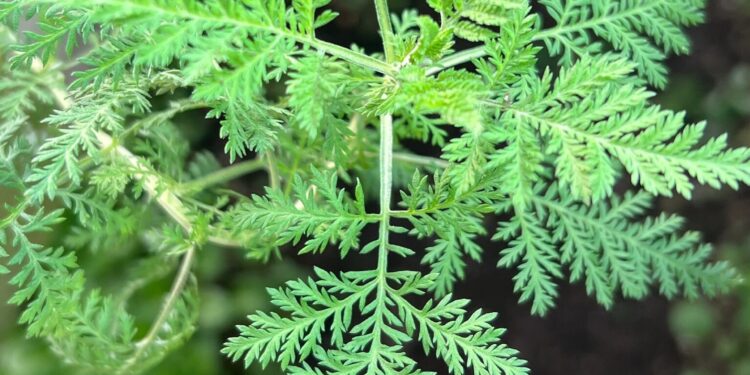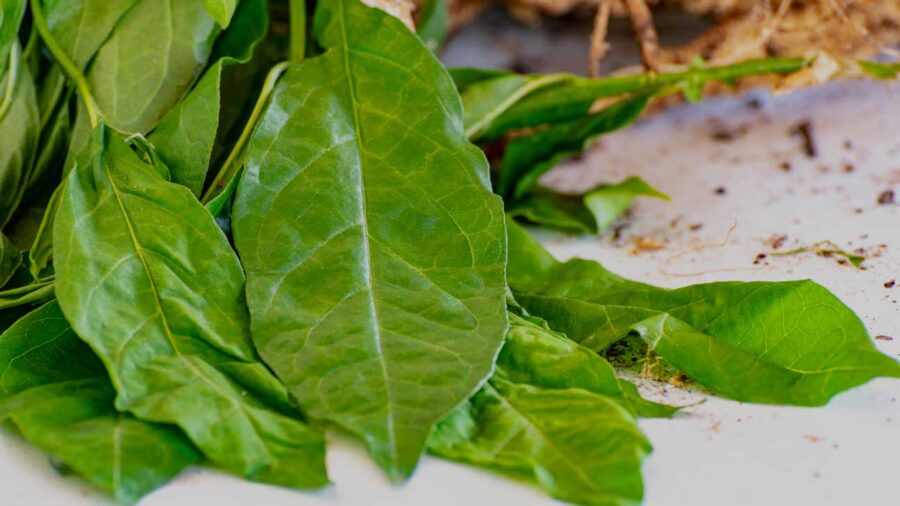
Anamu, also known as guinea hen weed, is a medicinal plant that has been used for generations across the Caribbean, Central and South America. Scientifically known as Petiveria alliacea, this tropical herb is gaining attention for its potential health benefits, including reducing inflammation, supporting immunity and protecting against cellular damage.
According to Healthline, anamu contains naturally occurring compounds, including flavonoids, antioxidants and sulfur compounds, that may offer several therapeutic benefits.
Among its potential benefits are:
-
Reducing inflammation and pain: Laboratory and animal studies suggest that anamu may help reduce inflammation and relieve discomfort.
-
Supporting the immune system: Certain compounds found in the plant may stimulate immune responses, although research remains limited.
-
Improving memory and brain function: Animal studies have shown promising effects on learning, memory and anxiety.
-
Providing antioxidant protection: Anamu contains compounds that may help protect cells against damage caused by free radicals.
-
Fighting harmful microorganisms: Preliminary research suggests possible antibacterial and antifungal properties.
-
Potential anticancer activity: Laboratory studies have shown that anamu extracts can affect certain cancer cells, but there is no reliable evidence that the herb prevents or treats cancer in humans.
Despite these promising findings, Healthline cautions that most research has involved laboratory experiments or animals. More human studies are needed to establish its effectiveness, appropriate dosage and long-term safety.
Anamu may also interact with medications, particularly blood thinners, and is not recommended during pregnancy or breastfeeding. Anyone considering its use should first consult a healthcare professional.
Traditional remedies remain an important part of Caribbean culture, but understanding both their potential benefits and risks is essential.
Want to learn more about this fascinating medicinal plant?
Visit Healthline and read its detailed article, “What Is Anamu, and Does It Have Benefits?”, which explores the science, traditional uses, potential benefits and safety concerns surrounding anamu