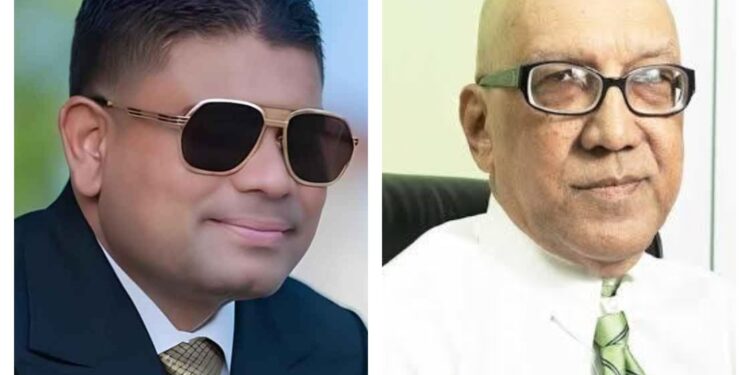
The alleged G$800,000 payment for surveillance footage must not obscure the State’s fundamental duty to establish what that footage reveals in Opposition Leader Mohamed’s case. Relevant evidence must be preserved, investigated and disclosed through lawful procedures-whether it implicates Mohamed, Prem Narine, or anyone else, or clears them.
Article 144(2) of Guyana’s Constitution requires courts to “ascertain the truth in every case,” while protecting the presumption of innocence and the right to prepare a defense. Truth and due process are inseparable.
Examine the footage and answer the allegation
After Azruddin Mohamed released footage which he said supported his allegation of an assassination attempt, police issued two statements concerning its acquisition. One described allegations under investigation; the other recounted purported admissions by a constable about instructions and payment. Neither substantively answered Mohamed’s allegation about the shooting or announced charges arising from the alleged transaction.
Investigating an alleged unlawful payment cannot discharge the separate duty to investigate the shooting. The circumstances in which a recording changed hands do not, by themselves, establish or discredit what it depicts.
Was the complete footage examined before the original allegations and charges were assessed? Was it supplied to prosecutors? Has relevant material been disclosed to the defense? The authorities should answer these questions through the proper legal process.
Prosecutors are required to disclosure materials that may assist an accused and excludes political advantage from their decisions. Evidence that undermines an accusation deserves the same rigorous attention as evidence supporting it.
In Bisram v Director of Public Prosecutions [2022] CCJ 7 (AJ) GY, the CCJ upheld quashing a DPP directive issued without the required prior consideration of the evidence, despite finding no bad faith. Procedural fairness cannot be bypassed merely because an official believes prosecution is justified.
Orlando deserves a complete, lawful investigation
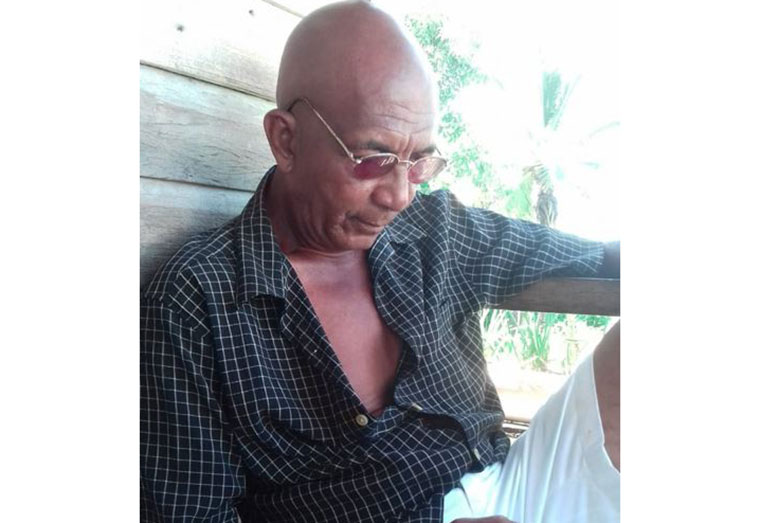
Orlando Jaikarran’s father has been charged with murder. The pujari he implicated has reportedly been released on bail and denies involvement. Those competing accounts must be tested against the available evidence.
Under sections 24 and 25 of the Criminal Law (Offences) Act, Chapter 8:01, an accessory before the fact may be prosecuted as a principal. Someone who intentionally counsels, procures or commands a murder may incur liability without personally inflicting the fatal injury. Investigators must therefore examine evidence of planning and intentional participation, alongside evidence identifying the actual killer.
But an accusation cannot fill an evidential gap. In Small and Gopaul v Director of Public Prosecutions [2022] CCJ 14 (AJ) GY, the CCJ overturned Small’s conviction because the evidence admissible against him was insufficient. Gopaul’s confession was not evidence against him. That distinction demands particular care when one suspect implicates another. Independent, other rigorous investigation is necessary, and advisable.
The father’s account, the pujari’s denial, relevant surveillance recordings, witness statements and forensic findings must be sought out and examined together. Where material cannot be obtained voluntarily, appropriate court orders should be sought, including production orders or subpoenas where legally available.
The DPP must independently instruct the police to diligently investigate each person’s alleged involvement and pursue every reasonable, relevant avenue.
Orlando’s family deserves a determined search for everyone responsible. Every accused person deserves protection against unsupported allegations. Political convenience, institutional embarrassment and public anger must never determine which evidence receives attention.
Preserve the complete record. Produce it lawfully. Test it fairly. Follow it wherever it leads.