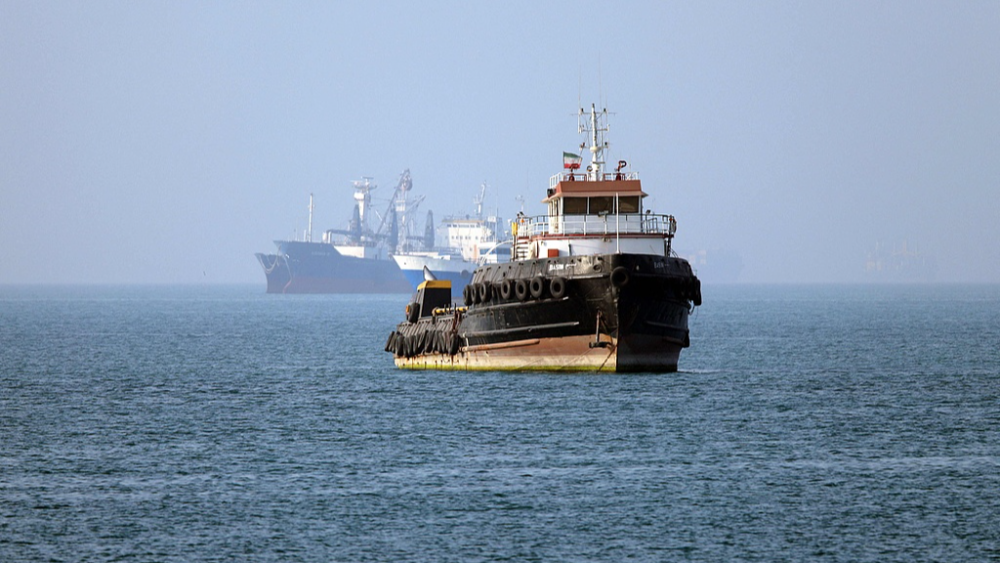
A renewed escalation between the United States and Iran in and around the Strait of Hormuz is placing global energy markets under fresh pressure, with potentially significant implications for oil-producing countries such as Guyana.
Iran claimed Sunday that it had struck an unmanned US vessel attempting to enter the Strait of Hormuz. The United States did not immediately confirm the alleged attack. The claim came a day after the US military said it had struck three Iranian oil tankers following a missile attack on US Navy warships.
The confrontation is unfolding around one of the world’s most important energy chokepoints.
The Strait of Hormuz is crucial to global oil and natural-gas shipments, meaning prolonged disruption could affect energy supplies, shipping costs and prices far beyond the Middle East.
For Guyana, the crisis carries a particular significance.
The country has rapidly emerged as one of the world’s fastest-growing oil producers following the discovery and development of its offshore petroleum resources.
Higher global oil prices can increase revenues for oil-producing states, potentially strengthening government income and the value of Guyana’s petroleum exports. But the impact is not entirely positive.
Guyana remains heavily dependent on imported goods, including fuel and food. Higher international energy and transportation costs can therefore increase the price of bringing goods into the country.
That creates a tension at the heart of the country’s oil economy.
Guyana can benefit from stronger crude prices while Guyanese consumers can simultaneously face higher costs for transportation, electricity, food and other imported goods.
The current confrontation is particularly concerning because it involves both military activity and attempts to restrict Iranian oil exports.
The Associated Press reported that the US has been pursuing a dual approach involving military responses to attacks around the strait and financial pressure on institutions handling Iranian funds. Iran, meanwhile, continues to use oil exports to ease the economic effects of sanctions and other restrictions.
The conflict began with US and Israeli attacks on Iran in February. Although a ceasefire was announced in June, fighting has continued intermittently, with renewed attacks reported during the past week.