The United States has intensified pressure on Cuba with fresh sanctions targeting the grandson of former Cuban leader Raúl Castro and five Cuban companies, including entities connected to banking, nickel mining and energy.
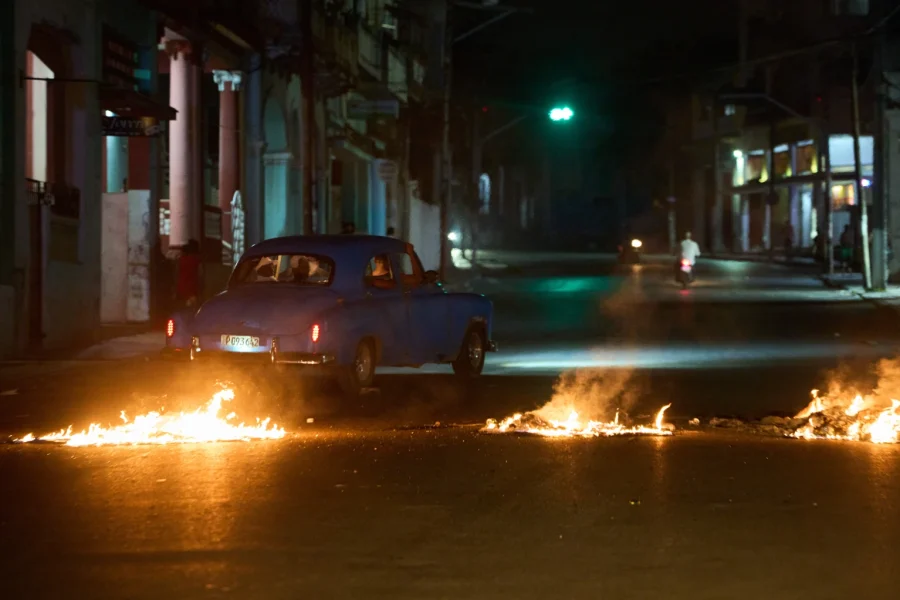
The sanctions announced Thursday come as Cuba confronts an increasingly severe energy crisis marked by fuel shortages, widespread blackouts and growing disruptions to transportation and essential services.
Washington sanctioned 31-year-old Fidel Ernesto Castro, identifying him as an adult family member of previously sanctioned members of the Castro family.
The measures also target Banco Exterior de Cuba and four companies operating in the mining and energy sectors.
The action forms part of a broader US campaign against Cuba’s communist government under President Donald Trump.
The United States has imposed restrictions on Cuba’s access to oil and threatened tariffs against countries that continue supplying the island with fuel.
The resulting pressure has compounded Cuba’s longstanding economic and infrastructure problems, particularly its ageing power grid.
The island has experienced repeated nationwide blackouts, affecting homes, businesses, transportation and access to healthcare.
The United Nations has warned that the worsening conditions could trigger a humanitarian crisis.
Havana has rejected Washington’s position and has repeatedly blamed US sanctions and the longstanding American embargo for worsening conditions facing ordinary Cubans.
But Cuba is also attempting to restructure its economy in response to the crisis.
The government recently introduced new regulations intended to attract foreign investment and expand private-sector activity in tourism, trade and other areas.
The measures ease restrictions on foreign bank accounts, hiring, private tourism businesses and other areas previously dominated or tightly controlled by the state.
They build on a package of 176 economic reforms launched in June, described as the most significant transformation of Cuba’s socialist economic system since the 1959 revolution.
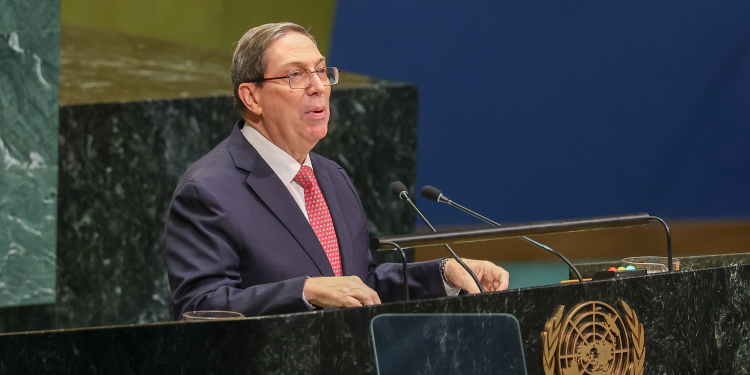
The reforms reflect the mounting pressure on President Miguel Díaz-Canel’s government to generate foreign exchange, attract investment and maintain essential services while facing tighter US sanctions.
Washington says its pressure campaign is aimed at Cuba’s political leadership and those supporting what it regards as a repressive system.
For Cubans, however, the consequences are being felt in daily life.
Fuel shortages have affected the movement of people and goods, while power shortages have repeatedly plunged communities into darkness.
The latest sanctions therefore arrive at a particularly difficult moment for Cuba—when the government is trying to open portions of its economy to outside investment while simultaneously confronting some of its most severe energy and economic pressures in decades.
The immediate question is whether the sanctions will force political change in Havana or deepen the hardship being experienced by the population.
For now, the energy crisis is worsening, and ordinary Cubans remain caught between US pressure and the failures of their own economic system.