Guyana has reached a defining moment. ExxonMobil has confirmed that its Stabroek Block consortium has fully recovered approximately US$55 billion in investments and operating costs—almost two years ahead of schedule. Congratulations!
This changes everything. Under the 2016 oil agreement, Exxon and its partners could use up to 75% of monthly production to recover costs. The remaining “profit oil” was divided equally between the consortium and Guyana, which also receives a mere 2% royalty.
Now that the US$55 billion cost bank has been recovered, Exxon cannot continue deducting historical expenses as though they remain unpaid. After legitimate current expenses, Guyana must receive its full 50% share of profit oil.
Exxon’s own production entitlement will fall by approximately 100,000 barrels per day as Guyana’s share increases. Every additional barrel and dollar must be properly accounted for and publicly disclosed.
The Government must immediately reveal when the US$55 billion was fully recovered, Guyana’s increased monthly allocation, and all new expenses being placed into the cost-recovery account.
Future projects such as Uaru, Whiptail and Longtail will generate new costs. But Guyana must not allow those expenses to recreate a permanent 75% deduction. Every charge must be independently audited, reasonably incurred and properly attributed.
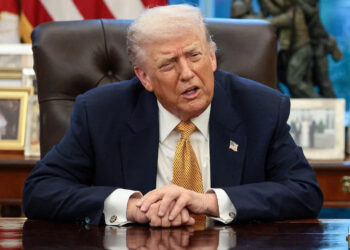
Significantly, United States President Donald Trump recently accused ExxonMobil and Chevron of making “too much money” and said they should return some of their profits to the public, and by parity of reasoning, Guyana.
“Chevron, too much money. ExxonMobil, too much. Too much money,” President Trump has declared, calling upon these companies to reduce prices and give some of their profits back.
If the President of the United States believes these American corporations are earning excessive profits, Guyana has even stronger grounds to demand a fairer return from its own irreplaceable natural resources.
President Irfaan Ali should immediately seek President Trump’s support in pressing ExxonMobil and Chevron for better terms. Trump’s comments do not legally rewrite the contract, but they create a rare political and negotiating opportunity. Ignoring it would be governmental malpractice.
Guyana should now demand a royalty substantially higher than 2%, strict ring-fencing of individual projects, limits and independent audits of recoverable expenses, stronger taxes and environmental protections, greater local ownership and employment, and a fairer national share from all future projects, as these oil giants continue to profit from one of the world’s richest petroleum discoveries.
Guyanese cannot continue to face poverty, unreliable electricity, inadequate healthcare, poor infrastructure and a rising cost of living, while more than 900,000 barrels are being produced every day. Guyana’s oil wealth must now be visible in better wages, pensions, hospitals, schools, transportation, housing, roads and opportunities for every citizen.
Pick up that phone, President Ali. Read from this script. Guyana must recover its rightful share.