Thousands of Guyanese on Saturday celebrated Emancipation Day, marking 188 years since full emancipation was achieved on August 1, 1838, while honouring the resilience, sacrifices and enduring legacy of the African men and women whose struggle secured freedom for future generations.
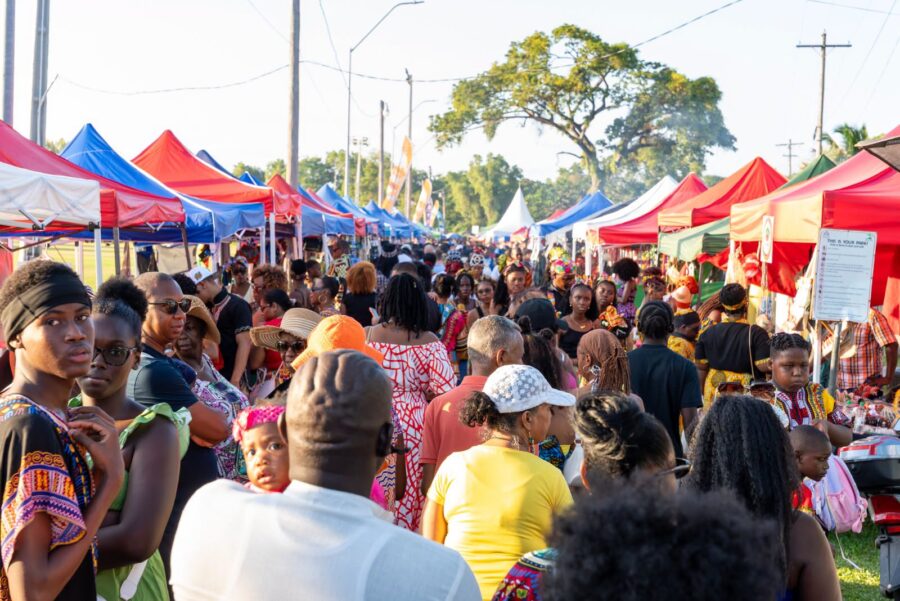
The main national observance, hosted by the African Cultural and Development Association (ACDA) at the National Park in Georgetown, attracted large crowds dressed in vibrant African prints, head wraps and traditional attire for a day of cultural performances, music, food, storytelling and reflection.
The celebration began with a sunrise service before expanding into a full day of activities showcasing African heritage through drumming, dance, culinary competitions, masquerade performances and exhibitions by local artisans. Highlights included traditional cook-up and metemgee competitions, bishop drumming contests, a best-dressed competition and performances by local and international artistes.
This year’s observance also launched activities commemorating 400 years since the arrival of Africans in Guyana, underscoring the lasting contributions of African descendants to the country’s history, culture and development.
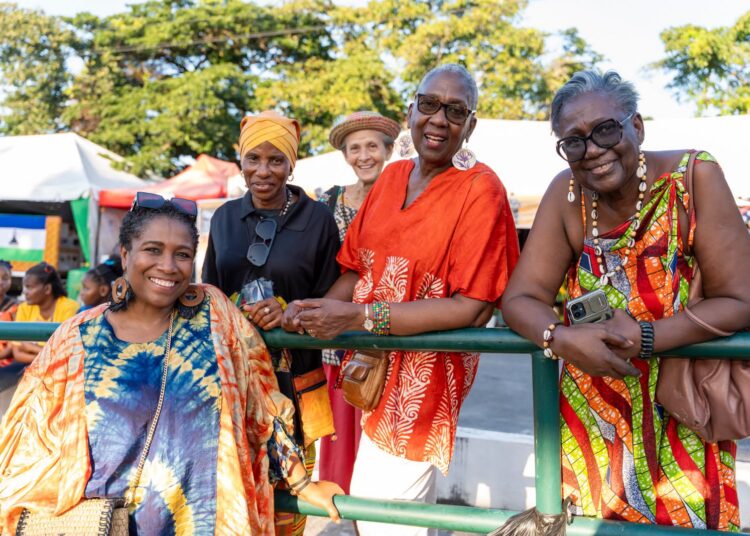
Across Guyana, Emancipation celebrations resonated most deeply in villages whose very existence stands as a testament to the determination of newly freed Africans to own land and control their destiny. In Victoria, Buxton-Friendship, Plaisance, Beterverwagting, Golden Grove, Den Amstel, Kingelly, Lichfield, Bagotville and Hopetown, among others, residents honoured their ancestors through church services, libation ceremonies, drumming, cultural performances, storytelling, traditional African cuisine and community gatherings. These villages, many established through the collective purchase of former plantations by emancipated Africans, remain enduring symbols of resilience, self-reliance and the pursuit of freedom.
The celebrations brought together young and old, many clad in African-inspired attire, as communities paid tribute to the resilience and sacrifices of their ancestors while reaffirming the enduring values of freedom, dignity and self-determination.
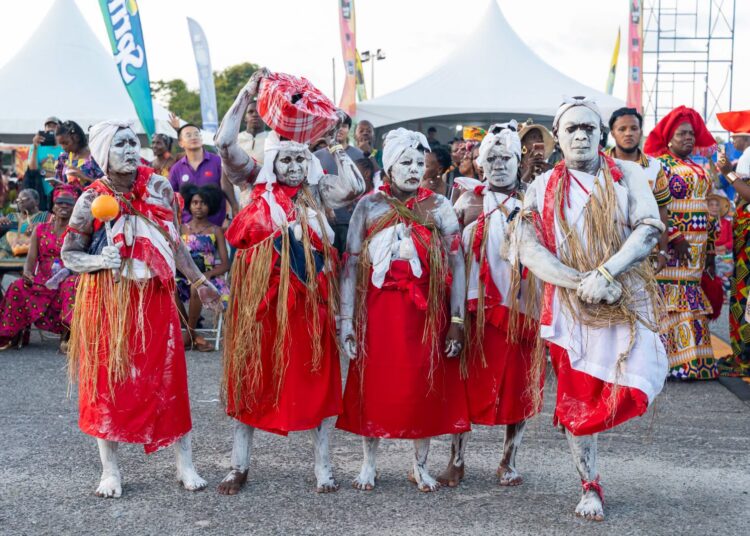
Throughout the National Park, the rhythmic sounds of African drums, cultural songs and dance performances echoed as families, community groups and visitors celebrated the occasion while reflecting on the struggles of those who fought against slavery and oppression.
Emancipation Day commemorates the abolition of slavery in the British Empire, which took effect on August 1, 1834. However, formerly enslaved Africans were required to serve a four-year “apprenticeship” period before full freedom was finally secured on August 1, 1838. The day remains one of Guyana’s most significant national observances, celebrating African heritage while reminding the nation of the centuries-long struggle for freedom, equality and human dignity.
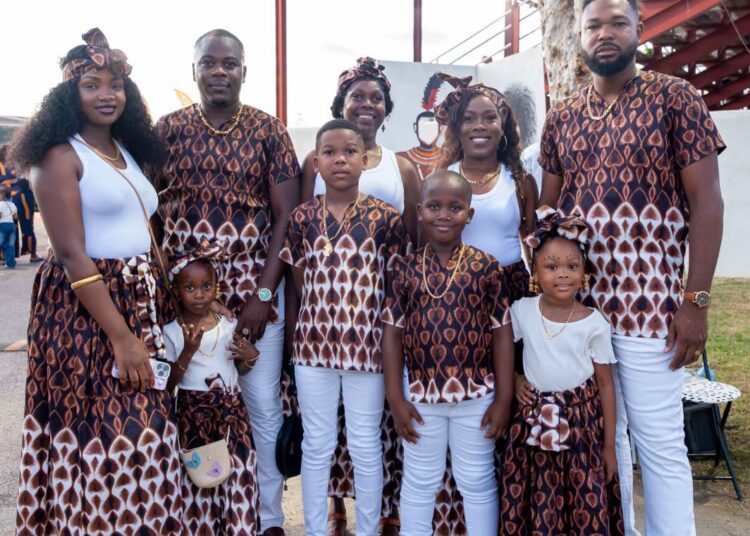
For many Guyanese, however, this year’s Emancipation observance was also marked by solemn reflection following the recent MV Barima tragedy, which claimed dozens of lives and cast a shadow over the celebrations. While communities embraced the rich traditions of African culture and heritage, many also paused to remember those who perished and offered prayers for the bereaved families.
As drums resonated across villages and cities alike, Emancipation Day once again served as a powerful reminder that the freedoms enjoyed today were won through extraordinary sacrifice—and that the pursuit of equality, dignity and justice remains the responsibility of every generation.