By Our Investigative Correspondent
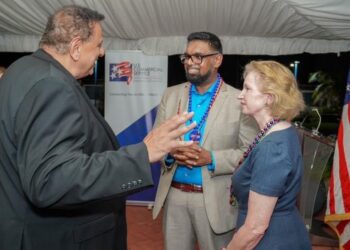
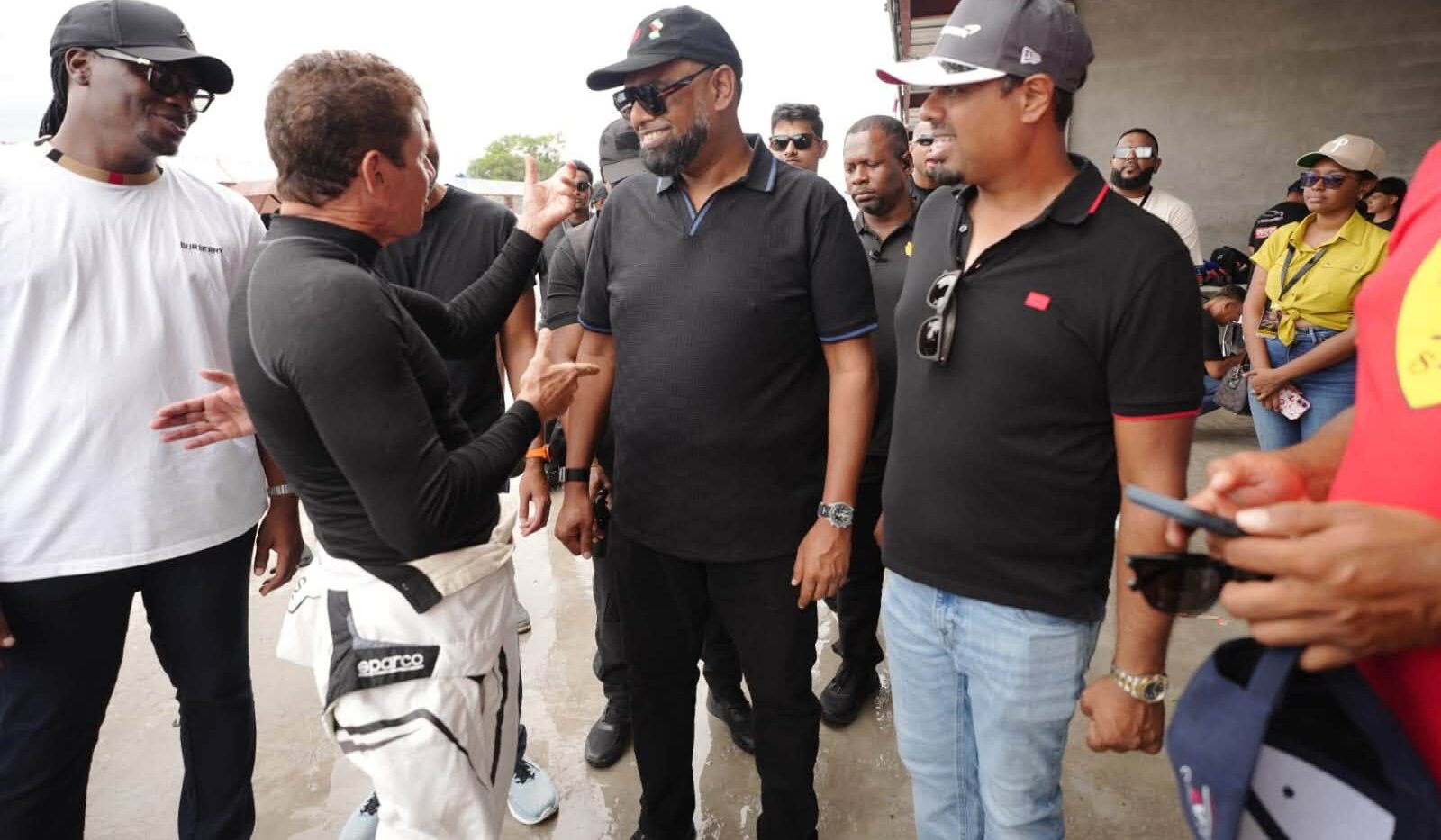
As His Excellency President Dr. Irfaan Ali posed for photos with international drivers at the glitzy Guyana Grand Prix on Sunday, the roar of FIA-sanctioned GT3 engines drowned out the quiet desperation of communities whose playing fields have been left to rot.
The South Dakota Circuit, refurbished at staggering taxpayer expense, hosted the third leg of the GT Challenge de las Américas—a first for Guyana. The President cheered trackside, visited racing pits, and shook hands with fans, celebrating what his administration calls “a powerful reflection of vision, partnership, and investment.”
But while billions of petrodollars have been lavished on asphalt for the elite, community grounds across the country lie crumbling. Village parks are overgrown. Basketball courts have broken backboards. Playing fields are waterlogged and unusable. In Afro-Guyanese communities, where cooperative lands have been systematically seized, there is no refurbishment—only displacement.
“They spend millions on racecars for the one percent while our children have nowhere to play,” said a longtime resident of a village on the East Coast, who spoke on condition of anonymity for fear of government reprisal. “The President wants the world to see Guyana as a destination. He doesn’t want the world to see what we live with every day.”
Another resident, whose community park has been neglected for years, expressed bitter frustration. “They fly in international drivers, serve them champagne, and call it progress. But our grounds? Rain ruins them, weeds overtake them, and no one comes. Not a single minister. Not a single shovel. The government has abandoned us.”
The Grand Prix was hailed by officials as a catalyst for tourism and economic growth. Yet the beneficiaries are clear: a wealthy, politically connected elite who can afford the hospitality suites, while ordinary Guyanese struggle with soaring food prices and an overheated real estate market that has made basic survival exorbitantly expensive.
“The hypocrisy is staggering,” said a former government employee familiar with public works budgeting. “There is always money for photo opportunities. There is never money for maintenance. The South Dakota Circuit gets world-class upgrades while community facilities are left to decay. It tells you everything about their priorities.”
Critics point to a pattern of governance that favors spectacle over substance, where oil wealth is funneled into vanity projects while social infrastructure crumbles. The government’s own Local Content Act, ostensibly designed to benefit Guyanese businesses, has been accused of funneling contracts to politically connected families—the same families now enjoying the Grand Prix from VIP sections.
“They want us to be grateful for crumbs,” the first resident added. “Meanwhile, they host the wealthy, court foreign investors, and pretend we are one big happy family. But we see it. We live it. This country is being sold out, and we are the ones paying the price.”
As the President smiled for cameras and international drivers praised the refurbished circuit, the question echoed across neglected villages: *Who is this really for?*
The answer, for millions of Guyanese, is painfully clear.