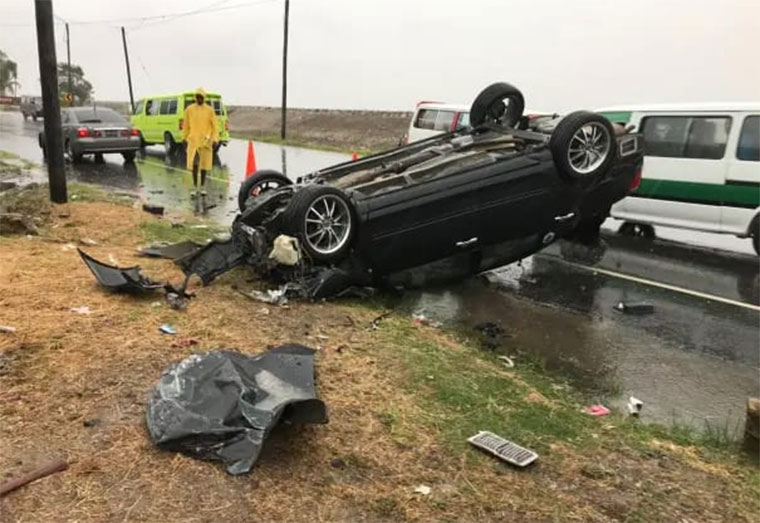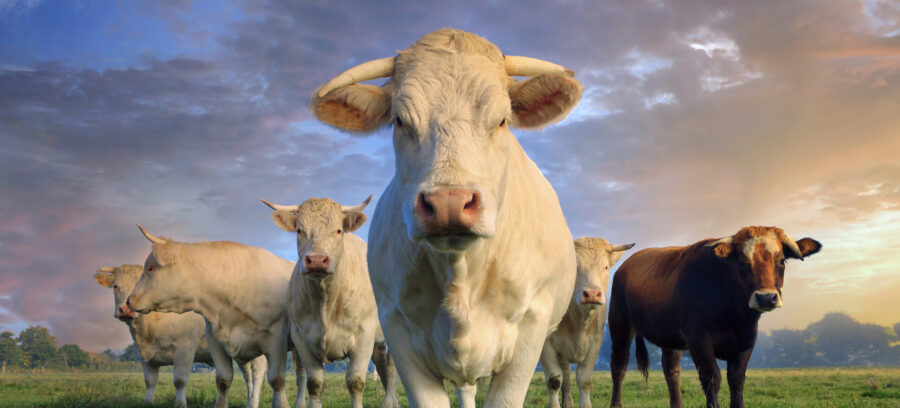
The death of a pregnant Brazilian heifer imported under the Government of Guyana’s national herd expansion programme has intensified scrutiny of the operation, with the Opposition demanding answers over what it says was a poorly planned exercise that left more than 300 cattle stranded on trucks for days without adequate care.
The animal’s death comes just days after Opposition Leader Azruddin Mohamed brought national attention to the cattle shipment by intercepting the convoy along the Lethem-Brazil corridor, publicly questioning the transparency of the importation process, whether established livestock import protocols had been followed, and whether the influx of foreign cattle was being prioritised over local livestock producers.
On Monday, the A Partnership for National Unity (APNU) Members of Parliament Dr. Terrence Campbell and Saiku Andrews travelled to the government’s Breeding and Research Centre at Ebini after learning that the shipment had encountered significant logistical difficulties.
Broadcasting live from the Ebini landing, the parliamentarians observed trucks laden with pregnant heifers waiting to cross the river while excavators were used to construct makeshift access after existing unloading facilities proved inadequate.
“What is happening here is absolutely no preparation,” Dr. Campbell declared, arguing that if the Ministry of Agriculture had always intended for the cattle to be housed at Ebini, the necessary transportation and unloading infrastructure should have been in place before the shipment arrived.
Campbell also referred to reports he had previously received alleging inadequate pasture, staffing shortages and unsuitable conditions at the government facility.
Andrews said the scene raised doubts about the government’s explanation that the cattle had always been destined for Ebini.
“The impression is that there is a lack of preparation, and so it causes you to question whether or not these cattle were intended for this area,” he said.
The parliamentarians also voiced concern about the welfare of the animals after their lengthy journey from Brazil, noting that the pregnant heifers remained confined to trucks while transportation delays persisted. During the visit, Campbell disclosed that he had received reports alleging that some animals had died, though he stressed those reports had not yet been independently verified.
Those fears appeared to materialise on Tuesday.
In a social media post, Hana Mohamed, sister of the Opposition Leader, released video showing what she identified as a dead pregnant heifer, claiming the animal died before it could deliver its calf.
“The cow shown in this video is dead and was unable to deliver her calf. There is no veterinarian in sight, and more than 300 Brazilian cows are being kept in trucks without food or water for more than six days,” she wrote.
“We urgently call on Guyana’s animal welfare organisations and the relevant authorities to intervene immediately before more animals die.“
Her appeal tagged the Guyana Society for the Prevention of Cruelty to Animals (GSPCA), PAWS for a Cause Guyana, Tails of Hope Animal Rescue, the Rosewood Foundation Guyana, as well as the United States, British and Canadian diplomatic missions in Georgetown.
The controversy erupted only days after Mohamed first exposed the movement of the cattle into Guyana, questioning what he described as the apparent absence of the usual oversight by the Guyana Revenue Authority and the Ministry of Agriculture, along with the normal cattle import protocols.
Earlier on Monday, the Ministry of Agriculture announced the arrival of the first 300 pregnant heifers under its national herd expansion programme. The Ministry said the animals were procured through the National Procurement and Tender Administration Board from Brazil-based Coopera at a cost of G$245,000 per pregnant heifer, maintaining that the cattle were always intended for the Ministry’s Breeding and Research Centre at Ebini.
The reported death of the pregnant heifer has now placed the government’s programme under even greater scrutiny, with renewed questions over whether adequate planning, veterinary supervision and animal welfare safeguards were in place before the animals began their journey from Brazil.
The Ministry of Agriculture had not publicly responded to the reported death or the allegations that the cattle had remained confined on trucks without food, water or veterinary care for more than six days up to the time of publication.