The Rights of the Child Commission (RCC), in partnership with UNICEF and the Office of the Director of Public Prosecutions (DPP), has launched a nationwide child protection campaign aimed at increasing public awareness, encouraging the early reporting of abuse and strengthening safeguards for children across Guyana.
The campaign, titled “SEE. SAY. SAFE.”, seeks to equip both children and adults with the knowledge to recognise unsafe situations, respond appropriately and help prevent child sexual abuse. It will be rolled out through radio, television, social media, schools and community outreach programmes to reach children and families throughout the country.

The initiative comes amid continuing concerns over the prevalence of child abuse in Guyana. According to the Childcare and Protection Agency (CPA), 4,038 cases of child abuse were reported in 2024, including 1,202 cases of sexual abuse, underscoring the scale of the challenge facing child protection authorities.
Research based on the 2019 Guyana Multiple Indicator Cluster Survey (MICS) further found that 58.1 per cent of Guyanese children experience physical aggression or moderate physical punishment, while 4.4 per cent are subjected to severe physical punishment.
UNICEF has also identified violence, abuse, neglect and exploitation as persistent child protection concerns in Guyana, noting that many cases go unreported because children often fear retaliation, stigma or abuse by someone they know and trust.
Against this backdrop, the “SEE. SAY. SAFE.” campaign is intended to strengthen public awareness, encourage earlier reporting and foster a culture in which children feel safe to disclose abuse while adults understand their responsibility to recognise warning signs and act.
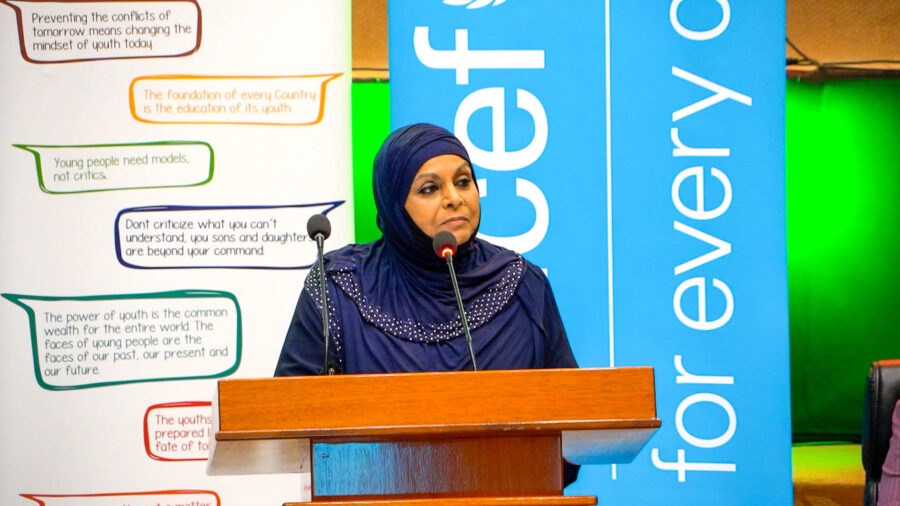
“Many children who experience harm do not speak about it, often due to fear or uncertainty. This campaign is about ensuring that children feel safe to speak, and that adults are prepared to listen, respond appropriately, and take action,” RCC Chairperson Aleema Nasir said.
Over the coming months, the campaign will focus on helping adults identify signs that a child may be experiencing abuse and adopt stronger safeguarding practices to better protect children. It will also educate children about safe and unsafe behaviours, challenge the stigma that often discourages disclosure and promote clear and accessible reporting pathways.
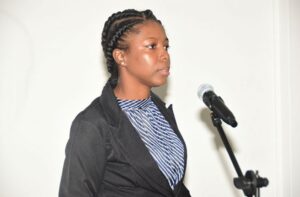
The initiative further emphasises that abuse can occur in familiar settings and that all children—including boys—deserve protection, support and to be believed when they disclose abuse.
UNICEF Child Protection Specialist Dr. Loria-Mae Heywood said greater public awareness is essential to improving children’s safety.
“When families and communities are informed and respond appropriately, children are safer. This campaign strengthens the link between awareness and action,” Dr. Heywood said.
The Office of the Director of Public Prosecutions also underscored the importance of prompt reporting in protecting children and supporting criminal investigations.
Assistant Director of Public Prosecutions Teshana Lake said timely reporting of sexual offences is critical to preserving evidence and ensuring survivors receive appropriate support.
“Timely reporting in Sexual Offences helps to preserve evidence and it allows survivors to receive timely support,” she said.
As part of the initiative, members of the public will also be invited to complete an anonymous online survey to help stakeholders assess public awareness and strengthen child protection services.
The RCC, UNICEF and the Office of the DPP, together with other key stakeholders, are encouraging citizens to remain vigilant for signs that a child may be experiencing abuse, to listen when children speak about their experiences and to report concerns to the Childcare and Protection Agency by calling the 914 hotline or contacting the nearest police station.
“Protecting children is a shared responsibility. When we see, when we speak up, we help to keep children safe,” Nasir urged.
Organisers said the campaign is intended to strengthen cooperation among families, communities and public institutions while ensuring more children receive the protection, support and justice they deserve.