For more than 1,000 years, the dried root of the white peony has been used in ancient Chinese medicine. It’s traditionally used to treat various ailments, including mental health disorders, inflammation, and blood flow.
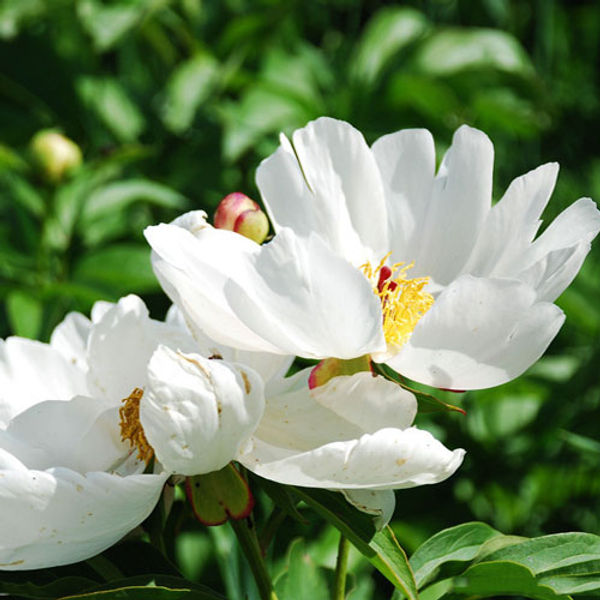
White peony, technically named Paeonia lactiflora Pall, is a flowering plant native to East Asia. It grows in many parts of the world, including China, Mongolia, and Siberia. It’s also a common garden plant in the northern United States.
Other names for white peony include garden peony, Chinese peony, and bai shao (or bai-shao). Many people claim it can aid blood flow and help with mood disorders.
Read on to learn about white peony root and how it’s typically used.
Scientists are still learning about the medicinal properties of the white peony root. Here’s what the latest science has determined so far:
White peony for estrogen
According to a 2019 research review, white peony root contains phytoestrogens. These compounds are structurally similar to estrogen and act like estrogen in the body.
Phytoestrogens can help reduce symptoms of menopause, including hot flashes and vaginal dryness. The research review found that Chinese herbal medicine, such as white peony root, has the same effects as menopausal hormone therapy.
White peony root for anxiety and depression
Traditionally, white peony root uses include treating anxiety and depression.
In a 2020 study on rats, white peony root extract was found to reduce the expression of serotonin transporter (SERT).
Typically, this protein “captures” serotonin — a chemical that contributes to happiness and well-being — so it can be broken down and recycled. Inhibiting SERT prevents this process, which increases serotonin and, in turn, helps reduce symptoms of anxiety and depression.
However, further research on humans is necessary.
A 2019 study also found that paeoniflorin increases probiotics in the gut; paeoniflorin is a compound present in many herbal medicines. This may improve the balance of gut bacteria and overall gut microbiome.
White peony root for autoimmune disorders
White peony root contains glycosides. These are compounds with a carbohydrate attached. This includes paeoniflorin, among other compounds.
When these glycosides are extracted (removed) from the root, they’re known as total glucosides of paeony (TGP).
According to a 2020 review, TGP can regulate your immune system. TGP has been found to effectively help treat autoimmune conditions like:
White peony for inflammation
Similarly, TGP has benefits for inflammatory disorders. According to a 2019 research review, paeoniflorin in TGP can suppress inflammatory pathways. The researchers suggest that paeoniflorin may be beneficial for chronic inflammatory conditions, including:
White peony for blood flow
According to ancient Chinese medicine, white peony root may help prevent blood clot formation (thrombosis). White peony thins your blood so clots don’t form. It also helps your body better resolve any existing blood clots.
A 2019 review also notes that the active compounds in white peony, including paeoniflorin, can improve blood flow by helping prevent blood clotting.
Like all medicinal plants, it’s important to use white peony root with caution. Possible side effects include diarrhea and digestive upset.
It’s recommended to avoid taking white peony root if you’re pregnant and nursing.
Conventionally, white peony root uses vary, including:
White peony supplement
As a supplement, the root extract is available as a:
- capsule
- tincture
- powder
You take capsules and tinctures directly by mouth. Mix the tincture or powder into a liquid, like water or tea.
It’s worth noting that the Food and Drug Administration (FDA) does not regulate supplements. This means they aren’t monitored for quality, accurate labeling, or unsafe ingredients.
If you want to take white peony supplements, consult your doctor first and always buy from a reputable company.
White peony root tea
You can also consume white peony root as tea. It’s typically available as loose tea, so you’ll need a tea strainer. To make it, follow the instructions from the tea manufacturer.
Although white peony root has been used for thousands of years, it usually isn’t found in standard grocery stores.
Products with white peony root are typically sold in:
- tea shops
- apothecaries
- herbal medicine shops
- health markets
- traditional Chinese pharmacies
The root of white peony, or bai shao, is a traditional Chinese remedy.
Scientific research suggests that the herb may help improve blood flow, relieve pain, reduce hyperpigmentation (a condition that causes skin to darken), and improve mood disorders. The herb might also help with autoimmune conditions and increase estrogen levels. But further research is necessary to confirm these claims.
Talk with a doctor before using white peony root. If you decide to use supplements, speak with a doctor first, and always buy from a reputable retailer to ensure quality and safety. (Healthline)