By Kirsten Nunez (Martha Stewart)-
Key points
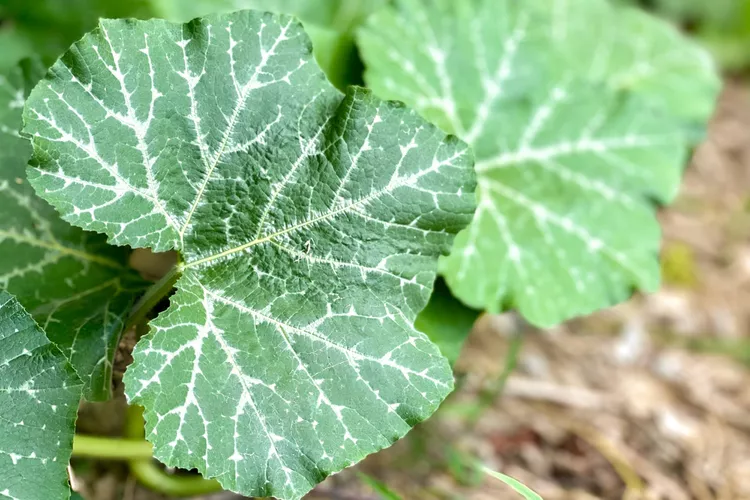
- Pumpkin leaves are a nutritious and delicious way to use more of your pumpkin plants in seasonal cooking.
- Rich in antioxidants, minerals, and fiber, pumpkin leaves support digestion, heart health, and overall wellness.
- Harvest young leaves from your garden, wash them well, and cook them like spinach or other leafy greens.
Pumpkin is one of the most beloved fall-time ingredients in the United States, inspiring pumpkin recipes that celebrate its bright orange flesh and sweet, earthy flavor. And, if you grow these gourds yourself, you may have wondered if you can eat pumpkin leaves, too.
As it turns out, pumpkin leaves, sometimes called pumpkin greens, are edible, nutritious, and delicious. Moreover, using them in your cooking will help you get the most out of your pumpkin plants. We asked a nutritionist and a cooking teacher to explain their health benefits and learned more about harvesting and using them to their best advantage in autumnal recipes.
The Health Benefits of Pumpkin Leaves
Pumpkin greens, like many other leafy vegetables, are teeming with nutritional benefits.
Antioxidants
For starters, pumpkin leaves are rich in antioxidants like beta-carotene (which is also found in the pumpkin itself), flavonoids, and vitamin C, according to registered dietitian Maddie Pasquariello, MS, RDN, and founder of East Coast Health & PR. Antioxidants help your body by fighting free radicals, or harmful molecules that—when present at high levels—can cause cellular damage and increase the risk of chronic diseases, says Pasquariello.
Essential Minerals and Vitamins
Pumpkin leaves are also rich in essential minerals, including potassium, which is required for muscle contractions, fluid balance, and chemical signaling between nerve cells. “It also helps ensure the kidneys, digestive system, and heart are functioning properly,” adds Pasquariello.
Pumpkin leaves also include beneficial nutrients like calcium and magnesium, which are important for bone health and muscle function, respectively. You’ll also get a small but noteworthy amount of folic acid, or vitamin B9. As Pasquariello explains, folic acid is found in pumpkin leaves and flowers (which are also edible), as well as the pumpkin meat itself. “It’s important for the growth and development of cells and tissues throughout life, and [it’s] especially vital for proper brain function,” says Pasquariello.
Fiber
Pumpkin leaves are a great source of dietary fiber, which supports healthy digestion and can help regulate blood sugar levels. Eating more fiber from dark leafy greens can also help you feel full longer. If eating pumpkin leaves for the first time, introduce them gradually to your diet to give your digestive system time to adjust.
How to Cook with Pumpkin Leaves
Pumpkin leaves have a delicious vegetal “green” flavor, much like spinach, string beans, and broccoli florets, notes Ziata. They’re also less bitter than kale and Swiss chard.
Best of all, you can enjoy pumpkin leaves as you would most other leafy greens. For example, in West Africa and India, pumpkin leaves are often used in dishes like soups, stews, and curries. “They would also be fantastic even just sautéed with a little olive oil, garlic, tomatoes, and spices,” says Ziata. (Martha Stewart)