Amerindian communities across Guyana are continuing to benefit from transformative investments under the Low Carbon Development Strategy (LCDS), with several villages already completing projects to improve livelihoods and expand economic opportunities.
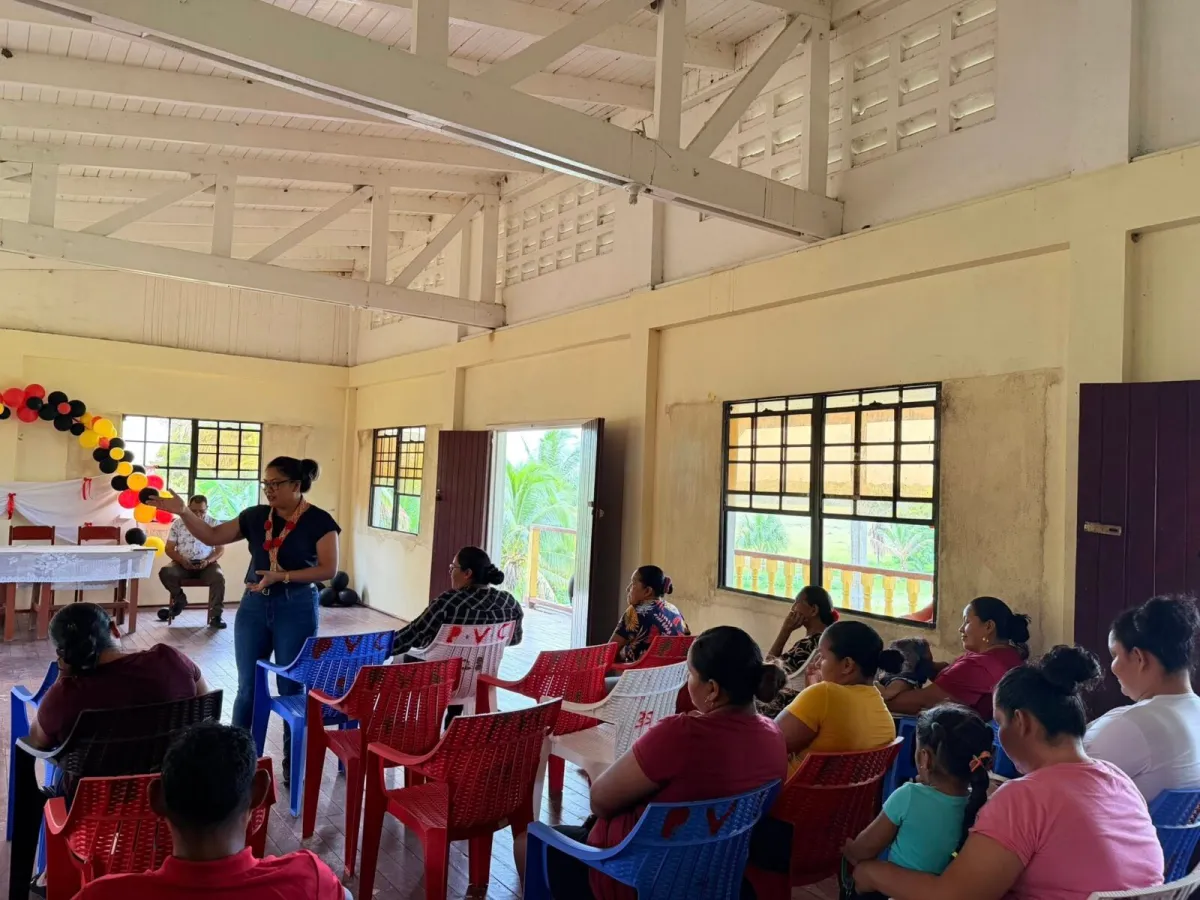
Minister of Amerindian Affairs Sarah Browne-Shadeek told the Department of Public Information (DPI) on Thursday that many villages have either exhausted or are currently investing their 2025 LCDS allocations in projects identified directly by residents during village general meetings.
The minister said her ministry continues to support a bottom-up approach, allowing communities to determine the type of development they wish to pursue based on their individual needs and priorities.
Several villages have invested in tourism and income-generating initiatives that are already showing promising returns.
Among the standout projects highlighted was the Mabaruma Settlement Guest House, which consistently attracts visitors and creates employment opportunities for residents.
Additionally, the minister pointed to the Mainstay tourism project, where riverside cabins developed through the initiative are now generating regular business activity while supporting jobs for residents.
Beyond tourism, communities are also using the funding to support agriculture, home improvement, small business ventures and livelihood programmes.
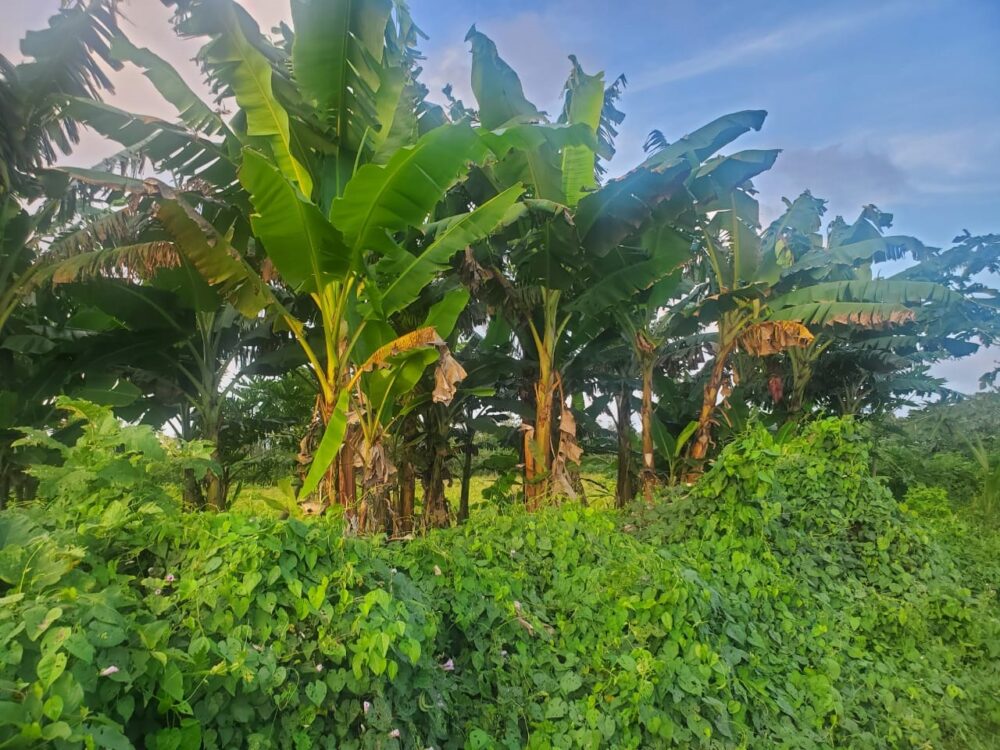
Some villages have invested in poultry farming, shops and agricultural expansion, while others have directed resources towards housing assistance, household appliances and land preparation for farming activities.
Although some communities have chosen livelihood-based spending models, the ministry continues to encourage investments that can generate long-term economic returns and sustainable income for villages.
Minister Browne explained that the introduction of LCDS funding has significantly expanded development opportunities for Amerindian communities compared to previous years, when villages depended heavily on the Amerindian Development Fund (ADF) and Presidential Grants alone.
Villages that previously received only a few million dollars annually now have access to substantially larger allocations through carbon credit funding, enabling more ambitious development projects.
The minister also outlined that the ADF continues to support several programmes, including community support officers, youth initiatives, women’s groups, training programmes and community infrastructure support.
Additional support is also being directed towards sports and cultural development, including assistance for district games and community infrastructure upgrades in Upper Mazaruni villages.
The minister explained that villages are required to submit financial records and receipts before accessing additional funding. Audits are conducted where residents raise concerns of mismanagement.
Where evidence of wrongdoing exists, actions are taken in accordance with the Amerindian Act, including investigations and possible removal of village leaders.