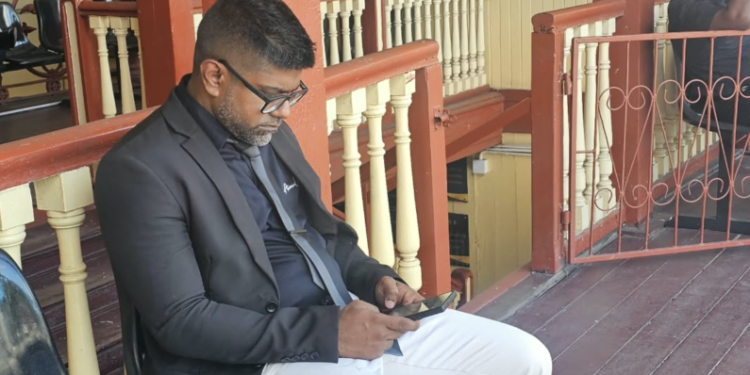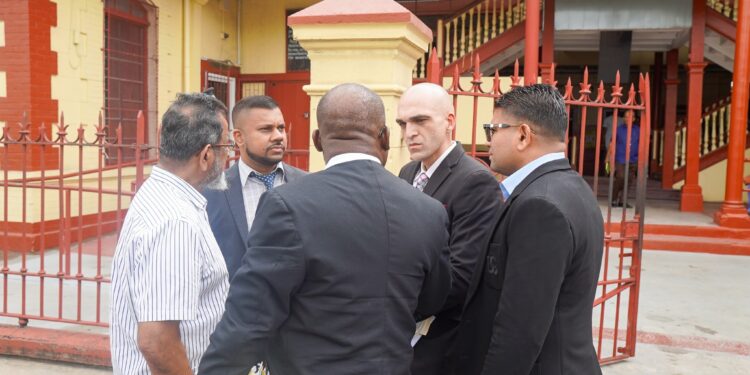
Sherod Duncan, a parliamentarian for the A Partnership for National Unity (APNU), is calling on the government to immediately engage minibus operators and other stakeholders in negotiations over public transportation fares, warning that rising operating costs and a lack of meaningful consultation are pushing many operators to a breaking point.
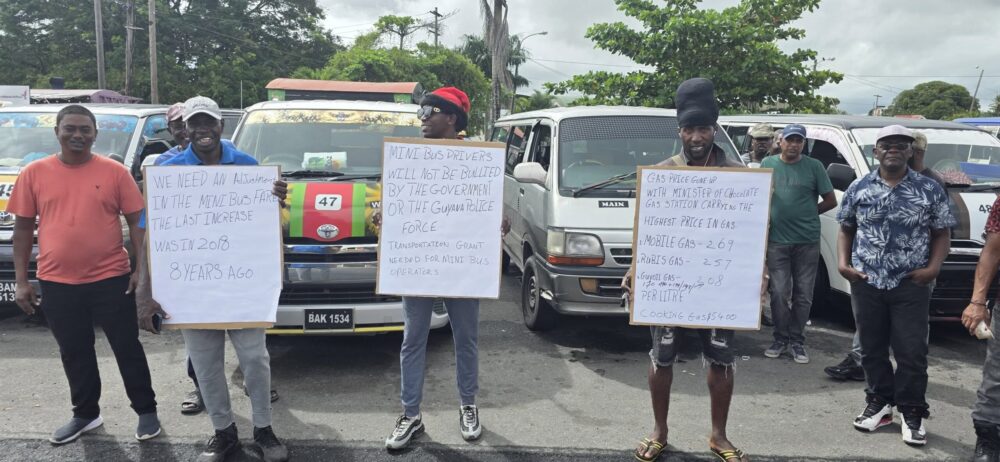
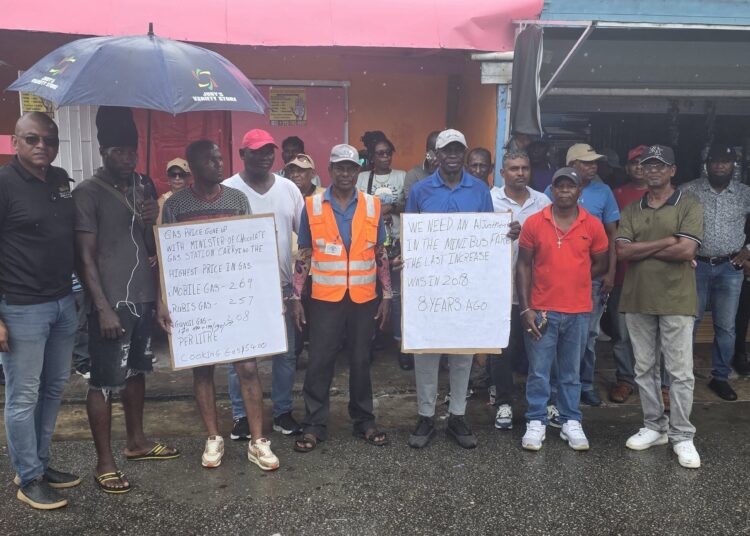
The appeal follows visits by the opposition parliamentarian on Thursday, May 21, to the Square of the Revolution in Georgetown and the Vreed-en-Hoop Stelling in Region Three, where he met with drivers and minibus owners amid ongoing tensions between operators and the government over proposed fare adjustments.
According to Duncan, operators used the meetings to vent frustration over what they described as years of escalating expenses coupled with stagnant fares and limited government engagement on issues affecting their livelihoods.
“Today, I met with minibus operators and drivers at the Square of the Revolution in Georgetown, Region 4, and later at the Vreed-en-Hoop Stelling in Region 3, where dozens of operators ventilated serious concerns about the rising cost of operating public transportation services and the lack of engagement by the government on the issue of fare adjustments,” Duncan said in a statement.
The dispute comes against the backdrop of growing unrest within Guyana’s public transportation sector. Operators have argued that fares have remained largely unchanged since 2018 despite significant increases in fuel costs, vehicle maintenance, insurance premiums, spare parts and tyres. The concerns escalated after the government announced revised fare arrangements and warned operators against implementing unauthorised increases, triggering protests and strike action on several routes.
Minibus transportation remains the primary means of travel for thousands of Guyanese commuters every day, particularly workers, students, pensioners and residents who rely on public transportation to access employment, education and essential services. Any disruption to the sector can therefore have widespread economic and social consequences.
During his engagements, Duncan said operators detailed the financial pressures threatening the viability of their businesses.
“The operators outlined the growing financial pressures they face daily, including increases in fuel prices, spare parts, tyres, servicing, insurance, and other operational costs, while fares have reportedly remained largely unchanged since 2018,” he noted.
He added that many drivers and owners expressed anger that decisions affecting their incomes were being made without adequate consultation.
“Many drivers and owners expressed frustration that decisions affecting their livelihoods are being made without meaningful consultation, despite the important role the transportation sector plays in moving thousands of Guyanese workers, schoolchildren, pensioners, and families every day.”
Duncan said the concerns raised by operators should not be dismissed and deserved genuine engagement from policymakers.
“I believe the concerns raised by these operators deserve serious and respectful engagement. The government cannot continue to impose decisions from above while ignoring the realities facing ordinary working people.“
He characterised the operators’ demands not as political confrontation but as an appeal for recognition of the economic challenges confronting the industry.
“What I heard today was not a call for confrontation, but a call for fairness, dialogue, and recognition of the economic pressures confronting public transportation operators across the country.”
At the same time, the opposition parliamentarian acknowledged the hardship being experienced by commuters affected by disruptions in transportation services.
“At the same time, I fully appreciate the inconvenience being experienced by commuters and the wider travelling public as a result of the strike action,” he said.
The government has maintained that public transportation fares must remain affordable for citizens and has previously cautioned operators against imposing unauthorized increases. However, transport operators contend that the current fare structure no longer reflects the realities of operating costs in an economy where prices for goods and services have steadily increased.
Against that backdrop, Duncan is urging the administration to abandon what he described as a top-down approach and instead pursue dialogue with stakeholders.
“I am therefore calling on the Government of Guyana to urgently convene discussions with bus operators, route representatives, unions, and relevant stakeholders to reach an amicable and balanced solution in the national interest.”
He stressed that any lasting resolution must be built on consultation rather than confrontation.
“Consultation, compromise, and mutual respect must guide this process. The transportation sector is too important to be managed through threats, victimization, or unilateral declarations.”
Duncan’s intervention adds to growing calls for the government to engage directly with transport operators before the dispute deepens further. With operators insisting that years of rising costs have eroded their earnings and commuters increasingly caught in the fallout from industrial action, pressure is mounting on the administration to broker a compromise that balances the interests of both operators and the travelling public.