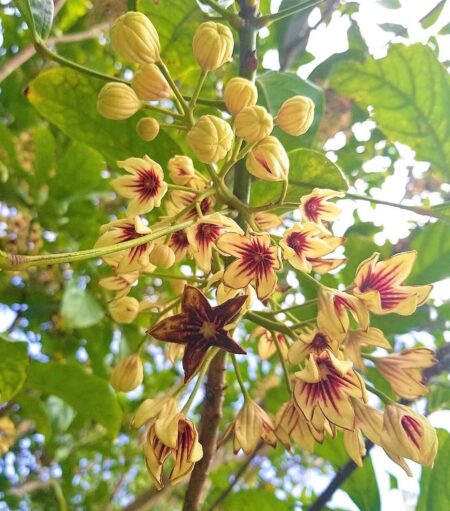
Health Benefits
Although bitter kola has been eaten in Africa for years, scientists are just beginning to study the health benefits of this flowering plant.
According to these early studies, bitter kola may be able to help with health problems including:
Infections
Bitter kola has been used over the years to fight infections from the common cold to hepatitis. A 2018 study showed that bitter kola can help combat coughs, bacterial infections, and viral infections. Eating bitter kola when an infection starts may help fight the infection and make you feel better more quickly.
Diabetes
Early studies suggest that a chemical called kolaviron, which is found in bitter kola, may protect against hypoglycemia in people with type 2 diabetes. Although this first study was done on rats and has not yet been reproduced on humans, these early findings are promising.

Nutrients per Serving
The FDA considers bitter kola generally safe to eat, but classifies it similarly to essential oils. That means there’s not much information available about serving sizes or nutritional data. However, a 2013 study found that bitter kola was high in the following nutrients:
- Carbohydrates
- Fat
- Protein
The study same study also found that bitter kola had high levels of:
- Vitamin C
- Calcium
- Potassium
- Iron
- Caffeine
How to Prepare Bitter Kola
Bitter kola can be eaten on its own, uncooked, like many other nuts. Keep in mind, however, that it’s called “bitter” for a reason. Bitter kola can be an acquired taste.
You can sometimes find drinks made or flavored with bitter kola at African markets and online stores. If you don’t like the taste but want to introduce bitter kola to your diet, these drinks may be a good option. (WebMD)
Medically Reviewed by Kathleen M. Zelman, RD, LD, MPH