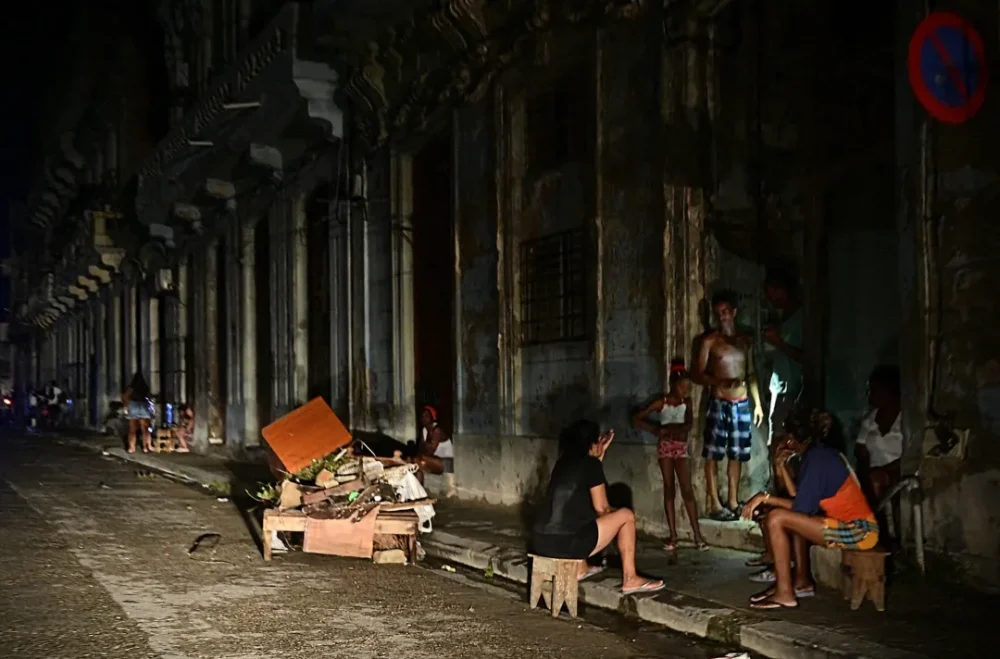
Cuba was plunged into nationwide darkness this week after a catastrophic collapse of its electricity grid, triggering renewed scrutiny of the island’s deepening energy crisis—and raising pressing questions about whether oil-rich Guyana should be doing more to help.
The outage, which left millions without power, has been attributed to a failure in Cuba’s transmission system, but experts say the collapse reflects a broader, long-standing crisis driven by aging infrastructure, chronic fuel shortages, and tightening external pressure.
At the same time, Guyana’s position has drawn attention, particularly in light of a recent statement by President Dr. Irfaan Ali, whose call for a “change to the status quo” in Cuba appears to align with increasing United States pressure on the region to adopt a tougher stance toward Havana.
Guyana’s Position Under Scrutiny
Despite its newfound petroleum wealth, there has been no major public indication that Guyana is preparing to provide fuel or direct energy assistance to Cuba as it struggles to keep its power system functioning.
That absence is being viewed by some regional observers as a test of Caribbean solidarity.
For decades, Cuba has supported Guyana through medical brigades, healthcare training, and technical cooperation programmes, particularly in rural and underserved communities. The current crisis, they argue, presents a moment for reciprocity.