By Mark DaCosta- The extradition hearing for Nazar and Azruddin Mohamed has witnessed several intense developments, underscoring the complex legal battle they face against the U.S indictment. As the proceedings resumed on March 12, Principal Magistrate Judy Latchman firmly reminded the prosecution of the importance of not sacrificing justice for expediency.
The Special Prosecutor, Herbert McKenzie, found himself reprimanded for his remarks regarding the lengthy nature of the case, a point Magistrate Latchman felt was unnecessary to highlight given her presence in the courtroom. This interchange reflects the mounting frustrations regarding the pace of the process, with the Attorney General, Anil Nandlall, also vocalising his grievances about the delays in the Georgetown Magistrates’ Court.
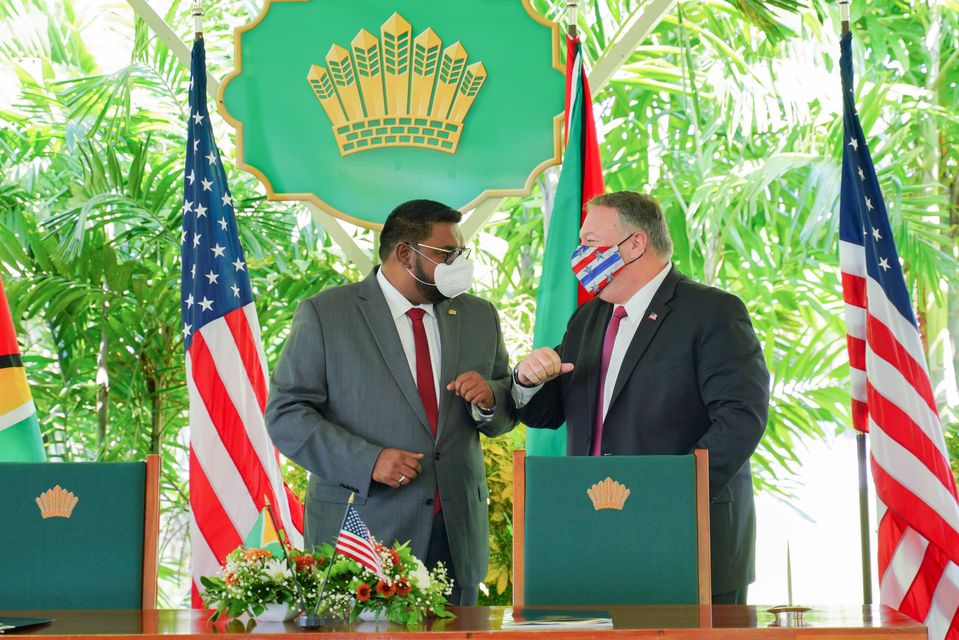
After initial applications for critical documents, by the defence, were denied, the prosecution expressed its view that the defence’s attempts were merely delaying tactics. Yet the defence attorneys argued that these documents, involving lobby contracts, were pivotal to establishing that the extradition request was politically motivated. They contend that the Government’s actions are heavily scrutinised, as they allegedly hired lobbying firms to influence US policymakers unfavourably towards the Mohameds. The implications of this case extend beyond the courtroom, as it illustrates the intersection of politics and justice in our nation.
The tension in the courtroom escalated when Defence Attorney Siand Dhurjon sought to reintroduce an application for the contracts signed between the Government and US lobbying firms. He argued that not only were these documents critical to their defence strategy, but they also pointed to the Government’s apparent bias against the Mohameds. This renewed effort, however, met with the same response from the prosecution, which claimed all necessary disclosures had already been made. The Magistrate ultimately sided with the prosecution by denying the defence’s request once again, highlighting a perceived implacable stance against the Mohameds.
Further adding to the courtroom drama, the prosecution expressed satisfaction that the hearing was finally progressing, having stated, “I think the matter has to take its course. I am happy to report that today the matter seems to be moving at a pace.” Nevertheless, the defence’s strategy to link the contracts with the political motivations for the extradition continues to be a point of contention. Dhurjon underscored that the documents could reveal the Government’s engagement in lobbying efforts designed to tarnish the family’s reputation in the eyes of US authorities.
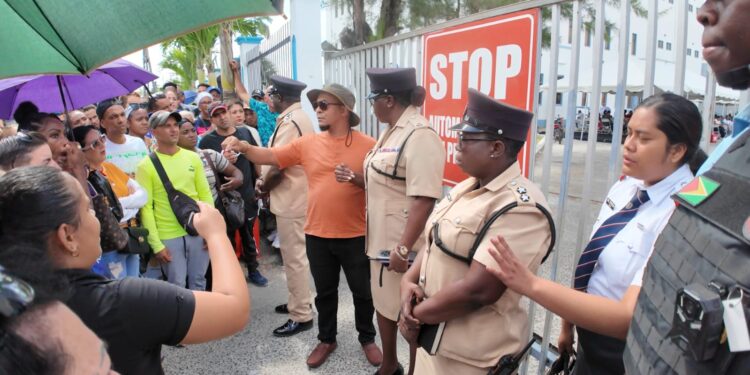
An added layer of complexity emerged when concerns about public behaviour during the proceedings were raised. Prosecutor Glenn Hanoman alerted the court to the presence of individuals purportedly recording and disseminating the details of the hearings on social media, particularly linking them to a family member of the Mohameds. Although Hana Mohamed denied these allegations, Magistrate Latchman vehemently warned against such actions, calling for an end to the publication of sensitive court information. This highlights the challenges of maintaining decorum in high-profile cases, where public interest can overshadow judicial process.
The atmosphere in the Georgetown Magistrates’ Court is tense, with each day bringing new confrontations and revelations. The interactions between the defence, prosecution, and the Magistrate reveal the fraught relationships at play in this high-stakes case. The court’s determination to dismiss the requests for documents might raise concerns about transparency and fairness in the extradition process. For the Mohameds, every mention of political bias or ulterior motives strengthens their defence while casting shadows over the integrity of the proceedings.
In analysing the broader implications of these courtroom dynamics, it becomes clear that the Mohameds’ case transcends personal grievances; it touches upon the workings of our justice system and its intersection with political manoeuvring. The persistence of government involvement in manipulating public perception cannot be overstated. Should the defence successfully prove their claims regarding the lobbying activities and politically motivated extradition efforts, it may lead to a significant unraveling of the case against the Mohameds.
The developments between March 12 and 13 exemplify the mounting tensions and complications surrounding the Mohameds’ extradition hearing. With accusations of politically motivated actions from the Government and a steadfast refusal by the courts to allow further disclosures, the stage is set for a drawn-out legal battle. The implications of this case reach far beyond the individual defendants, posing critical questions about justice, transparency, and the interplay of politics within our country’s legal landscape.