Sunday, July 26, 2026
Village Voice News
ADVERTISEMENT
  • Home
  • News
  • Sports
  • Editorial
  • Letters
  • Global
  • Columns
    • Eye On Guyana
    • Hindsight
    • Lincoln Lewis Speaks
    • Future Notes
    • Blackout
    • From The Desk of Roysdale Forde SC
    • Diplomatic Speak
    • Mark’s Take
    • In the village
    • Mind Your Business
    • Bad & Bold
    • The Voice of Labour
    • The Herbal Section
    • Politics 101 with Dr. David Hinds
    • Talking Dollars & Making Sense
    • Book Review 
  • Education & Technology
  • E-Paper
  • Contact Us
No Result
View All Result
  • Home
  • News
  • Sports
  • Editorial
  • Letters
  • Global
  • Columns
    • Eye On Guyana
    • Hindsight
    • Lincoln Lewis Speaks
    • Future Notes
    • Blackout
    • From The Desk of Roysdale Forde SC
    • Diplomatic Speak
    • Mark’s Take
    • In the village
    • Mind Your Business
    • Bad & Bold
    • The Voice of Labour
    • The Herbal Section
    • Politics 101 with Dr. David Hinds
    • Talking Dollars & Making Sense
    • Book Review 
  • Education & Technology
  • E-Paper
  • Contact Us
No Result
View All Result
Village Voice News
No Result
View All Result
Home Herbal Section

Cardamom

Admin by Admin
March 1, 2026
in Herbal Section, The Herbal Section
Cardamom podsThe seeds from the pods are used in a variety of cuisines.

Cardamom podsThe seeds from the pods are used in a variety of cuisines.

0
SHARES
0
VIEWS
Share on FacebookShare on Twitter

Cardamom, (Elettaria cardamomum), spice consisting of whole or ground dried fruits, or seeds, of Elettaria cardamomum, a herbaceous perennial plant of the ginger family (Zingiberaceae). The seeds have a warm, slightly pungent, and highly aromatic flavor somewhat reminiscent of camphor. They are a popular seasoning in South Asian dishes, particularly curries, and in Scandinavian pastries.

Introduced to Europe in the mid-16th century, cardamom bears a name that blends the Greek words for “spice” and “cress.” The name is sometimes mistakenly applied to similar spices in the ginger family, but it properly describes two related varieties of the spice, black and green, the latter being the more common. Black cardamom is aromatic and smoky, whereas green cardamom has a milder flavor.

READ ALSO

Galangal Root: Benefits, Uses, and Side Effects

Indian Snakeroot – Uses, Side Effects, and More

Physical description

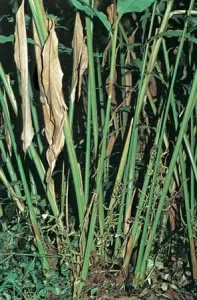
Cardamom plantShoots of the cardamom (Elettaria cardamomum) plant can grow up to 6 meters (20 feet).

Leafy shoots of the cardamom plant arise 1.5 to 6 meters (5 to 20 feet) from the branching rootstock. Flowering shoots, approximately 1 meter (3 feet) long, may be upright or sprawling; each bears numerous flowers about 5 cm (2 inches) in diameter with greenish petals and a purple-veined white lip.

The whole fruit, 0.8 to 1.5 cm (0.3 to 0.6 inch), is a green three-sided oval capsule containing 15 to 20 dark, reddish brown to brownish black, hard, angular seeds. The essential oil occurs in large parenchyma cells underlying the epidermis of the seed coat. The essential oil content varies from 2 to 10 percent; its principal components are cineole and α-terpinyl acetate.

Cultivation and processing

Cardamom fruits may be collected from wild plants, native to the moist forests of southern India, but most cardamom is cultivated in India, Sri Lanka, and Guatemala. The fruits are picked or clipped from the stems just before maturity, cleansed, and dried in the sun or in a heated curing chamber. Cardamom may be bleached to a creamy white color in the fumes of burning sulfur. After curing and drying, the small stems of the capsules are removed by winnowing. Decorticated cardamom consists of husked dried seeds.

Cooking uses and health benefits

The cardamom pod, which contains hard, black seeds, is sometimes added whole to dishes. More commonly, the pods are opened and the seeds are removed, then roasted in an oven or a skillet. These seeds contain the spice’s essential oil, which gives it its flavor and scent, with hints of mint and lemon.

The seeds are ground with a mortar and pestle, then added to South Asian foods such as curry and chai. Cardamom is a characteristic ingredient in Middle Eastern cuisine as well. It also figures in pastries, especially in the Scandinavian countries, where it is also used as a flavoring for coffee and tea. The spice mixes well with cinnamon, as well as nutmeg and cloves. It is also an ingredient in the Indian spice blend called garam masala (“hot spices”).

Cardamom contains vitamin C, niacin, magnesium, and potassium. Apart from its distinctive flavor, cardamom contains high levels of antioxidants, and it is used in Ayurvedic medicine to treat urinary tract disorders and to lower blood sugar levels. It is also frequently incorporated as an ingredient in homeopathic toothpaste for its antibacterial and breath-freshening qualities. Stronger health claims, such as its efficacy in fighting cancers, lack medical substantiation to date.

Although cardamom is widely cultivated at various elevations in South Asia, most of the world market demand is met by Guatemala, where cardamom was introduced by European coffee planters. It is ranked high among the world’s most expensive spices by weight. (Britannica)
ShareTweetSendShareSend

Related Posts

Galangal root (Google photo)
Herbal Section

Galangal Root: Benefits, Uses, and Side Effects

by Admin
July 19, 2026

Galangal root is a spice native to Southern Asia. It’s closely related to ginger and turmeric and has been used...

Read moreDetails
Indian Snakeroot (google photo)
Herbal Section

Indian Snakeroot – Uses, Side Effects, and More

by Admin
July 6, 2026

Overview Indian snakeroot (Rauvolfia serpentina) is an evergreen shrub found in Southeast Asia. The root is used as medicine. It's...

Read moreDetails
Mango leaves or their extracts are considered safe for consumption and offer many health benefits.
Herbal Section

10 Emerging Benefits of Mango Leaves

by Admin
June 28, 2026

While most people are familiar with the sweet fruit of the mango tree, you may not be aware that mango...

Read moreDetails
Next Post

Wholescale Exclusion of Guyanese at “One Guyana” Energy Conference


EDITOR'S PICK

ENGLAND | ‘Heirs of Slavery,’ Decendants of former slave owners call on the British Gov’t to begin Slavery Reparation Talks

April 24, 2023

ZHANG AND NARINE LEADING MOO MILK 2024 JUNIOR CHESS QUALIFIERS AFTER FOUR ROUNDS

July 9, 2024

From ‘Concussion Road’ to Highway Robbery: PPP’s $5B Lane Addition Exposes Astronomical Cost Inflation

December 17, 2025
From left PPP General Secretary, Vice President Bharrat Jagdeo, GTUC General Secretary Lincoln Lewis

Lewis condemns Jagdeo’s attack on McDonald

August 16, 2024

© 2024 Village Voice

No Result
View All Result
  • Home
  • News
  • Sports
  • Editorial
  • Letters
  • Global
  • Columns
    • Eye On Guyana
    • Hindsight
    • Lincoln Lewis Speaks
    • Future Notes
    • Blackout
    • From The Desk of Roysdale Forde SC
    • Diplomatic Speak
    • Mark’s Take
    • In the village
    • Mind Your Business
    • Bad & Bold
    • The Voice of Labour
    • The Herbal Section
    • Politics 101 with Dr. David Hinds
    • Talking Dollars & Making Sense
    • Book Review 
  • Education & Technology
  • E-Paper
  • Contact Us

© 2024 Village Voice