Friday, November 27, 2026
Village Voice News
ADVERTISEMENT
  • Home
  • News
  • Sports
  • Editorial
  • Letters
  • Global
  • Columns
    • Eye On Guyana
    • Hindsight
    • Lincoln Lewis Speaks
    • Future Notes
    • Blackout
    • From The Desk of Roysdale Forde SC
    • Diplomatic Speak
    • Mark’s Take
    • In the village
    • Mind Your Business
    • Bad & Bold
    • The Voice of Labour
    • The Herbal Section
    • Politics 101 with Dr. David Hinds
    • Talking Dollars & Making Sense
    • Book Review 
  • Education & Technology
  • E-Paper
  • Contact Us
No Result
View All Result
Village Voice News
No Result
View All Result
Home Herbal Section

Cardamom

Admin by Admin
March 1, 2026
in Herbal Section, The Herbal Section
Cardamom podsThe seeds from the pods are used in a variety of cuisines.

Cardamom podsThe seeds from the pods are used in a variety of cuisines.

0
SHARES
0
VIEWS
Share on FacebookShare on Twitter

Cardamom, (Elettaria cardamomum), spice consisting of whole or ground dried fruits, or seeds, of Elettaria cardamomum, a herbaceous perennial plant of the ginger family (Zingiberaceae). The seeds have a warm, slightly pungent, and highly aromatic flavor somewhat reminiscent of camphor. They are a popular seasoning in South Asian dishes, particularly curries, and in Scandinavian pastries.

Introduced to Europe in the mid-16th century, cardamom bears a name that blends the Greek words for “spice” and “cress.” The name is sometimes mistakenly applied to similar spices in the ginger family, but it properly describes two related varieties of the spice, black and green, the latter being the more common. Black cardamom is aromatic and smoky, whereas green cardamom has a milder flavor.

READ ALSO

Anamu: The Traditional Healing Herb With Promising Health Benefits

Wormwood: Traditional Herbal Remedy Has Potential Benefits but Carries Health Risks

Physical description

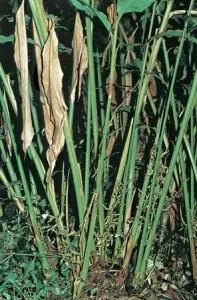
Cardamom plantShoots of the cardamom (Elettaria cardamomum) plant can grow up to 6 meters (20 feet).

Leafy shoots of the cardamom plant arise 1.5 to 6 meters (5 to 20 feet) from the branching rootstock. Flowering shoots, approximately 1 meter (3 feet) long, may be upright or sprawling; each bears numerous flowers about 5 cm (2 inches) in diameter with greenish petals and a purple-veined white lip.

The whole fruit, 0.8 to 1.5 cm (0.3 to 0.6 inch), is a green three-sided oval capsule containing 15 to 20 dark, reddish brown to brownish black, hard, angular seeds. The essential oil occurs in large parenchyma cells underlying the epidermis of the seed coat. The essential oil content varies from 2 to 10 percent; its principal components are cineole and α-terpinyl acetate.

Cultivation and processing

Cardamom fruits may be collected from wild plants, native to the moist forests of southern India, but most cardamom is cultivated in India, Sri Lanka, and Guatemala. The fruits are picked or clipped from the stems just before maturity, cleansed, and dried in the sun or in a heated curing chamber. Cardamom may be bleached to a creamy white color in the fumes of burning sulfur. After curing and drying, the small stems of the capsules are removed by winnowing. Decorticated cardamom consists of husked dried seeds.

Cooking uses and health benefits

The cardamom pod, which contains hard, black seeds, is sometimes added whole to dishes. More commonly, the pods are opened and the seeds are removed, then roasted in an oven or a skillet. These seeds contain the spice’s essential oil, which gives it its flavor and scent, with hints of mint and lemon.

The seeds are ground with a mortar and pestle, then added to South Asian foods such as curry and chai. Cardamom is a characteristic ingredient in Middle Eastern cuisine as well. It also figures in pastries, especially in the Scandinavian countries, where it is also used as a flavoring for coffee and tea. The spice mixes well with cinnamon, as well as nutmeg and cloves. It is also an ingredient in the Indian spice blend called garam masala (“hot spices”).

Cardamom contains vitamin C, niacin, magnesium, and potassium. Apart from its distinctive flavor, cardamom contains high levels of antioxidants, and it is used in Ayurvedic medicine to treat urinary tract disorders and to lower blood sugar levels. It is also frequently incorporated as an ingredient in homeopathic toothpaste for its antibacterial and breath-freshening qualities. Stronger health claims, such as its efficacy in fighting cancers, lack medical substantiation to date.

Although cardamom is widely cultivated at various elevations in South Asia, most of the world market demand is met by Guatemala, where cardamom was introduced by European coffee planters. It is ranked high among the world’s most expensive spices by weight. (Britannica)
ShareTweetSendShareSend

Related Posts

Anamu,
Herbal Section

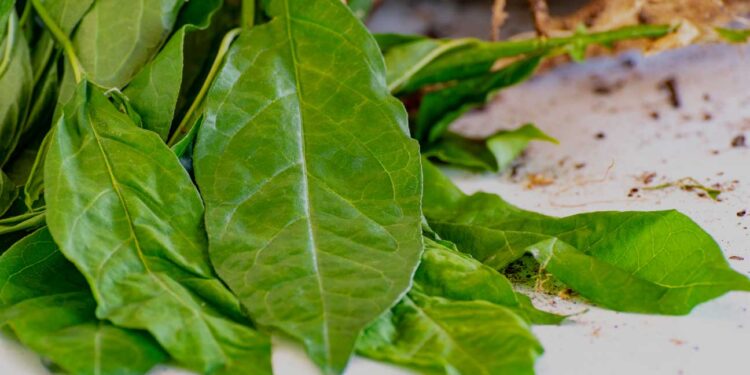
Anamu: The Traditional Healing Herb With Promising Health Benefits

by Admin
November 15, 2026

Anamu, also known as guinea hen weed, is a medicinal plant that has been used for generations across the Caribbean,...

Read moreDetails
artemisia afra (african wormwood)
Herbal Section

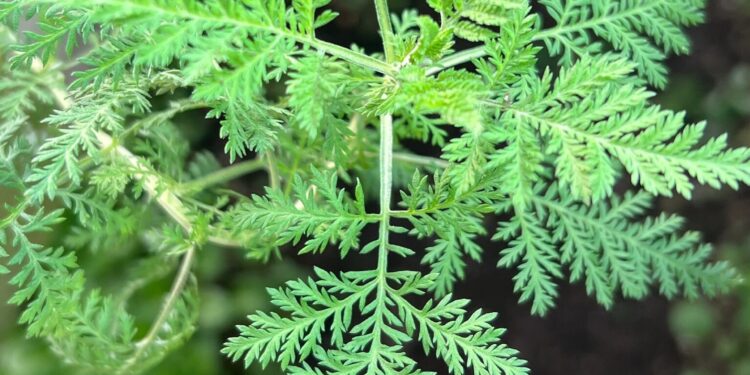
Wormwood: Traditional Herbal Remedy Has Potential Benefits but Carries Health Risks

by Admin
November 8, 2026

Wormwood, a bitter herb used for centuries in traditional medicine and famously associated with the alcoholic drink absinthe, has attracted...

Read moreDetails
Lemon peel (Google photo)
Herbal Section

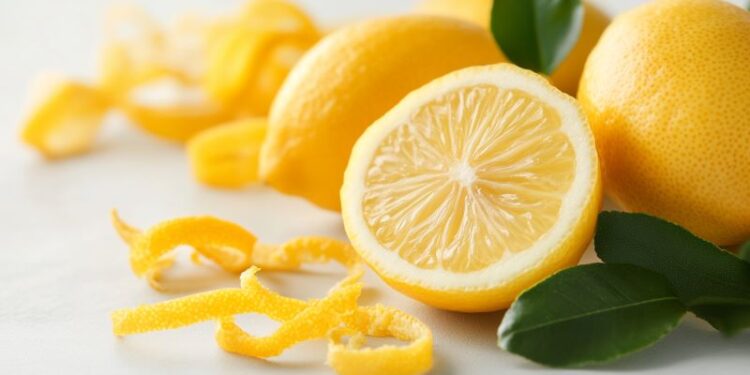
Lemon Peel’s Potential Health Benefits

by Admin
October 25, 2026

Often discarded after the juice is extracted, lemon peel contains fibre, vitamin C and plant compounds that research suggests may...

Read moreDetails
Next Post

Wholescale Exclusion of Guyanese at “One Guyana” Energy Conference


EDITOR'S PICK

US President, Joe Biden

Ukraine conflict: Biden says he is convinced Putin has decided to invade

February 20, 2022

Unveiling a Greener Future: Glass-It-Up Upcycling Competition Transforms Youth Perspectives on Environmental Sustainability

August 14, 2023
Guyana's Nurse at an event at Critchlow Labour College (2021)

Govt mum on suspension of nursing programme in Linden

May 10, 2021
West Indies batting coach Floyd Reifer

Reifer Defends 2025 Test Results: ‘Public Didn’t Understand’

November 20, 2026

© 2024 Village Voice

No Result
View All Result
  • Home
  • News
  • Sports
  • Editorial
  • Letters
  • Global
  • Columns
    • Eye On Guyana
    • Hindsight
    • Lincoln Lewis Speaks
    • Future Notes
    • Blackout
    • From The Desk of Roysdale Forde SC
    • Diplomatic Speak
    • Mark’s Take
    • In the village
    • Mind Your Business
    • Bad & Bold
    • The Voice of Labour
    • The Herbal Section
    • Politics 101 with Dr. David Hinds
    • Talking Dollars & Making Sense
    • Book Review 
  • Education & Technology
  • E-Paper
  • Contact Us

© 2024 Village Voice