In a rare convergence of sacred calendars, billions of people around the world are marking the Lunar New Year, the Muslim holy month of Ramadan and the Christian season of Lent at nearly the same time this year — a coincidence that religious leaders say underscores shared themes of renewal, reflection and hope.
The overlap is the result of different calendar systems aligning within the same weeks. The Lunar New Year follows a lunisolar calendar used in several East and Southeast Asian cultures. Ramadan is observed during the ninth month of the Islamic lunar calendar, while Lent is set according to the Christian liturgical calendar, beginning on Ash Wednesday and leading up to Easter.
Lunar New Year: Renewal and Family
Celebrated in countries including China, Vietnam and South Korea, the Lunar New Year — known as the Spring Festival in China and Tết in Vietnam — marks the beginning of a new year on the traditional lunisolar calendar. The Lunar New Year begins on the second new moon after the winter solstice, which falls around December 21, placing it typically between January 21 and February 20 each year. In 2026, the holiday begins on February 17.
Festivities typically last 15 days and include family reunions, special meals, temple visits and cultural performances such as dragon and lion dances. Red decorations and envelopes filled with money are exchanged as symbols of good fortune and prosperity.
Scholars of Chinese religion note that the holiday blends Confucian values of family unity, Daoist and Buddhist rituals, and folk traditions intended to ward off misfortune and welcome blessings for the year ahead.
Ramadan: Fasting and Spiritual Discipline
For Muslims worldwide, Ramadan commemorates the month in which the Quran is believed to have been revealed to the Prophet Muhammad. Ramadan begins with the sighting of the crescent moon that marks the start of the ninth month of the Islamic lunar calendar. Because the Islamic calendar is lunar, the start of Ramadan moves about 10–12 days earlier each year in the Gregorian calendar.
In Guyana, the Islamic holy month of Ramadan in 2026 is expected to start on Wednesday, February 18 — with the first day of fasting beginning that morning — following the sighting of the new crescent moon the night before. The month is then expected to run through mid‑March, with the exact end date also depending on moon sighting confirmations
Observers fast from dawn to sunset, refraining from food and drink as well as other physical needs during daylight hours.
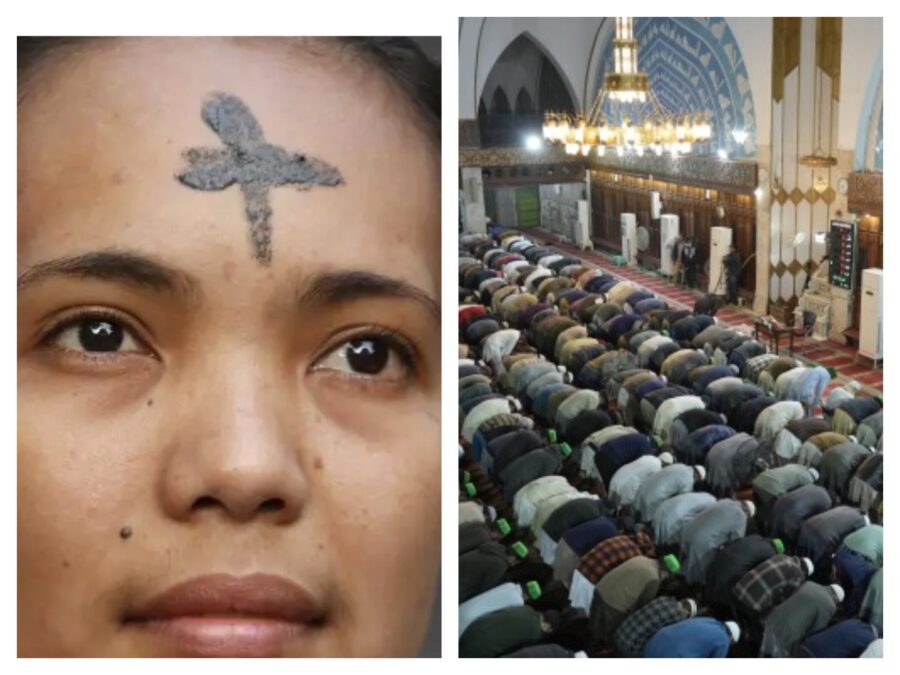
Evenings are marked by communal meals known as iftar, often beginning with dates and water, following prophetic tradition. Special nightly prayers called Taraweeh are held in mosques, and many Muslims aim to complete a full recitation of the Quran during the month.
According to Islamic scholars, Ramadan emphasises self-restraint, charity and empathy for those in need. The fast is one of the Five Pillars of Islam, making it a central act of worship. The month concludes with the festival of Eid al-Fitr.
Lent: Repentance and Preparation
In many Christian traditions, Lent begins on Ash Wednesday and lasts 40 days, excluding Sundays, leading up to Easter. Ash Wednesday marks the start of a period of fasting and reflection. In 2026, Ash Wednesday falls on February 18. The season recalls the 40 days Jesus spent fasting in the wilderness, according to the Gospels.
Believers often observe Lent through prayer, fasting and almsgiving. Some give up certain foods or habits as a form of spiritual discipline. On Ash Wednesday, clergy place ashes on worshippers’ foreheads in the shape of a cross as a sign of repentance and human mortality.
Theologians describe Lent as a period of reflection and renewal, culminating in celebrations of Easter, which commemorates the resurrection of Jesus Christ.
Shared Themes Across Traditions
Religious scholars say the simultaneous observance highlights striking commonalities. All three traditions incorporate elements of cleansing, recommitment and communal gathering.
“This convergence reminds us that many faiths, despite doctrinal differences, center on cycles of renewal and moral recalibration,” said Dr. Amina Rahman, a professor of comparative religion at Georgetown University.
In cities with diverse populations — from London to Kuala Lumpur to New York — communities are navigating overlapping festivities, with some interfaith groups hosting joint events and educational forums.
While the calendars will soon diverge again, leaders across traditions say the moment offers an opportunity for mutual understanding.
The Pew Research Center and academic studies on religious calendars note that such overlaps are uncommon but not unprecedented, given the differing lunar and solar systems that govern these observances.
For many believers, however, the alignment carries symbolic weight: a shared season of reflection, generosity and hope unfolding across cultures and continents at once