Saturday, November 14, 2026
Village Voice News
ADVERTISEMENT
  • Home
  • News
  • Sports
  • Editorial
  • Letters
  • Global
  • Columns
    • Eye On Guyana
    • Hindsight
    • Lincoln Lewis Speaks
    • Future Notes
    • Blackout
    • From The Desk of Roysdale Forde SC
    • Diplomatic Speak
    • Mark’s Take
    • In the village
    • Mind Your Business
    • Bad & Bold
    • The Voice of Labour
    • The Herbal Section
    • Politics 101 with Dr. David Hinds
    • Talking Dollars & Making Sense
    • Book Review 
  • Education & Technology
  • E-Paper
  • Contact Us
No Result
View All Result
Village Voice News
No Result
View All Result
Home Herbal Section

Black Cumin

Also known as: Nigella sativa, Roman coriander, black carawa

Admin by Admin
February 8, 2026
in Herbal Section, The Herbal Section
Black cumin (Britannica)

Black cumin (Britannica)

0
SHARES
0
VIEWS
Share on FacebookShare on Twitter

(Britannica) – black cumin, (Nigella sativa), annual plant of the ranunculus family (Ranunculaceae) grown for its pungent seeds, which are used as a spice and in herbal medicine. The black cumin plant is found in southwestern Asia and parts of the Mediterranean region and Africa, where it has a long history of use in diverse culinary and medicinal traditions.

The seeds have an aroma similar to fennel and have a pungent flavor somewhat similar to nutmeg, though the plant is not related to either. The seeds are commonly roasted and ground as a spice and are widely used in India, the Middle East, and parts of North Africa to season curries, rice, breads, and sweet confections. Black cumin is also important in traditional medicine in many places and is an esteemed herbal remedy for a wide variety of ailments. The plant is sometimes grown as an ornamental for its attractive flowers and is closely related to love-in-a-mist (Nigella damascena), a more common ornamental.

READ ALSO

Wormwood: Traditional Herbal Remedy Has Potential Benefits but Carries Health Risks

Lemon Peel’s Potential Health Benefits

Physical description

Black cumin plants are hardy annuals that grow from 20 to 60 cm (8 to 24 inches) in height. The branched stems bear deeply divided fine leaves, and the plant has a developed taproot. The pale blue or white flowers have five petals, numerous stamens, and five or six elongated fused carpels. The black triangular or pyramidal seeds are borne in a capsule with five or six segments, each of which terminates in an elongated projection. The plants can grow in a variety of soils and readily reseed, becoming weedy in some areas.

Traditional medicine

Sometimes hailed as a panacea, black cumin seeds and their oil are widely used in traditional Islamic medicine and Ayurveda to treat a variety of ailments. The seeds are believed to stimulate lactation and have been used for menstrual and postpartum problems. They also are commonly used to treat intestinal worms and are said to relieve digestive troubles. The seeds and oil are used for inflammation, to reduce asthma and bronchitis symptoms, and to treat rheumatoid arthritis.

A substantial number of studies have been conducted that suggest that the seeds may indeed have pharmacological potential. The seeds contain a variety of chemicals, but most of the pharmacological properties of black cumin are attributed to the presence of quinine compounds, of which thymoquinone is the most abundant. There is clinical evidence that the seeds have antimicrobial, antiparasitic, and antifungal properties, and some animal studies have demonstrated tumor suppression. In addition, there is evidence that black cumin may be effective against diabetes and hypertension and may have validity as an anti-inflammatory.
ShareTweetSendShareSend

Related Posts

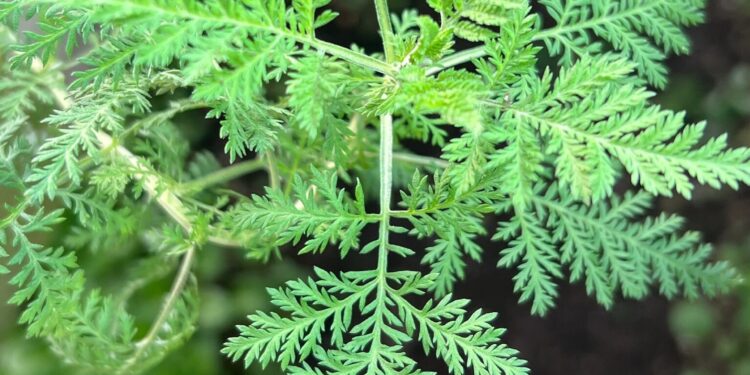
artemisia afra (african wormwood)
Herbal Section

Wormwood: Traditional Herbal Remedy Has Potential Benefits but Carries Health Risks

by Admin
November 8, 2026

Wormwood, a bitter herb used for centuries in traditional medicine and famously associated with the alcoholic drink absinthe, has attracted...

Read moreDetails
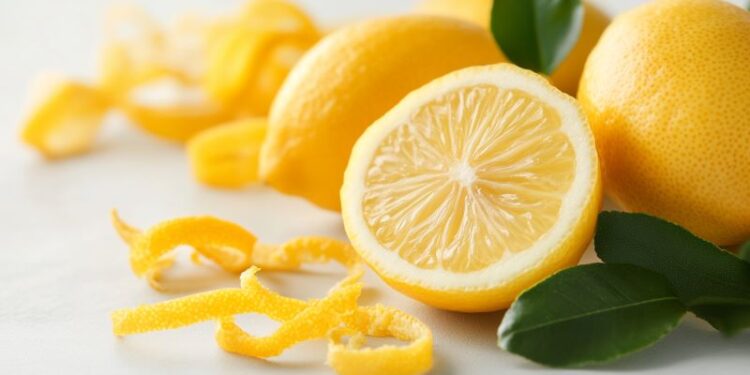
Lemon peel (Google photo)
Herbal Section

Lemon Peel’s Potential Health Benefits

by Admin
October 25, 2026

Often discarded after the juice is extracted, lemon peel contains fibre, vitamin C and plant compounds that research suggests may...

Read moreDetails
South African Geranium (Pelargonium Sidoides)
Herbal Section

South African Geranium (Pelargonium Sidoides)

by Admin
October 18, 2026

Herbal supplement is used for respiratory infections, but evidence of its effectiveness remains mixed Pelargonium sidoides, a medicinal plant native...

Read moreDetails
Next Post

Guyana Risks Sliding Toward Autocracy


EDITOR'S PICK

Jagdeo’s trip to Ghana was an opportunity lost 

November 3, 2021
Paynoose

Paynoose

October 26, 2025
Chinese students wait outside the U.S. Embassy for their visa application interviews, in Beijing on May 2, 2012. Alexander F. Yuan/AP

U.S. resumes visas for foreign students but demands access to social media accounts

June 19, 2025
President Ali flanked by the two valedictorians; 24-year-old Deepa Odit from the Turkeyen Campus (left) who completed a Bachelor of Science Degree in Pharmacy and attained a 3.9 GPA and 36-year-old Savitree Budram from the Tain Campus, who completed a Bachelor of Education – Administration and attained a GPA of 4.0.

Gov’t repositioning UG to offer more online courses 

March 21, 2021

© 2024 Village Voice

No Result
View All Result
  • Home
  • News
  • Sports
  • Editorial
  • Letters
  • Global
  • Columns
    • Eye On Guyana
    • Hindsight
    • Lincoln Lewis Speaks
    • Future Notes
    • Blackout
    • From The Desk of Roysdale Forde SC
    • Diplomatic Speak
    • Mark’s Take
    • In the village
    • Mind Your Business
    • Bad & Bold
    • The Voice of Labour
    • The Herbal Section
    • Politics 101 with Dr. David Hinds
    • Talking Dollars & Making Sense
    • Book Review 
  • Education & Technology
  • E-Paper
  • Contact Us

© 2024 Village Voice