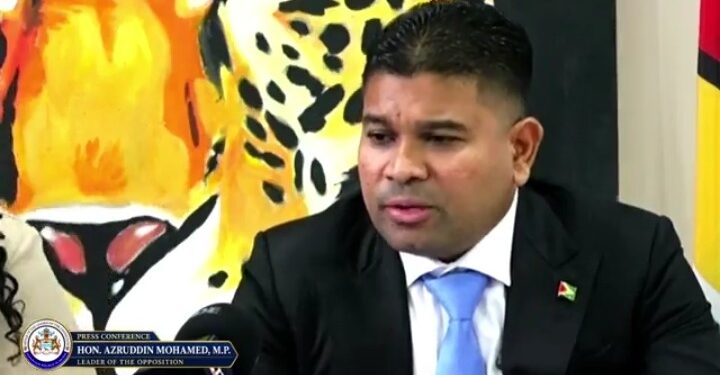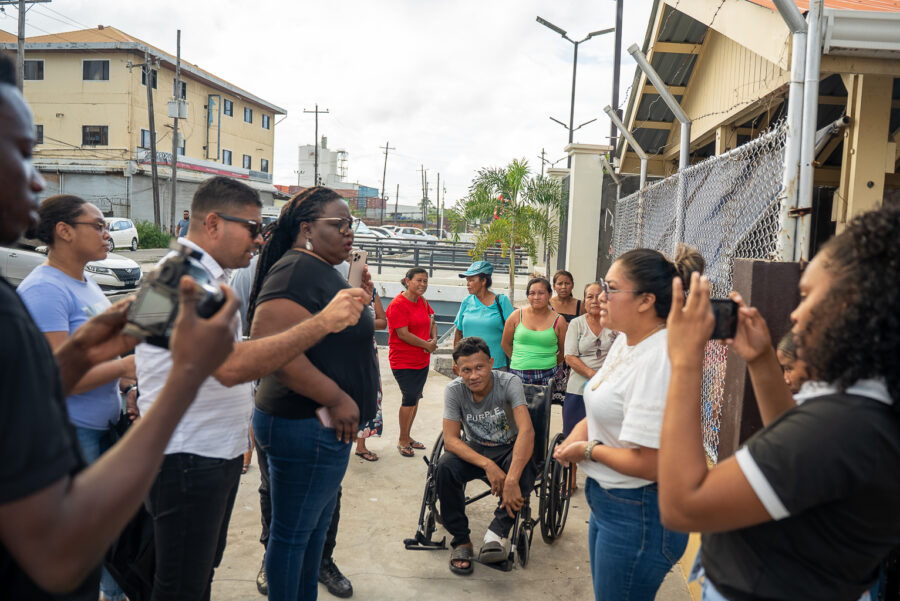
A visit earlier today by We Invest in Nationhood (WIN) and presumptive Leader of the Opposition Mohamed to the Amerindian Hostel on Princess Street has heightened scrutiny over the State’s treatment of Indigenous citizens in the capital. WIN reported that Mohamed—who was invited by occupants “to provide representation”—was denied entry, further fueling concerns about transparency and conditions inside the government-run facility.
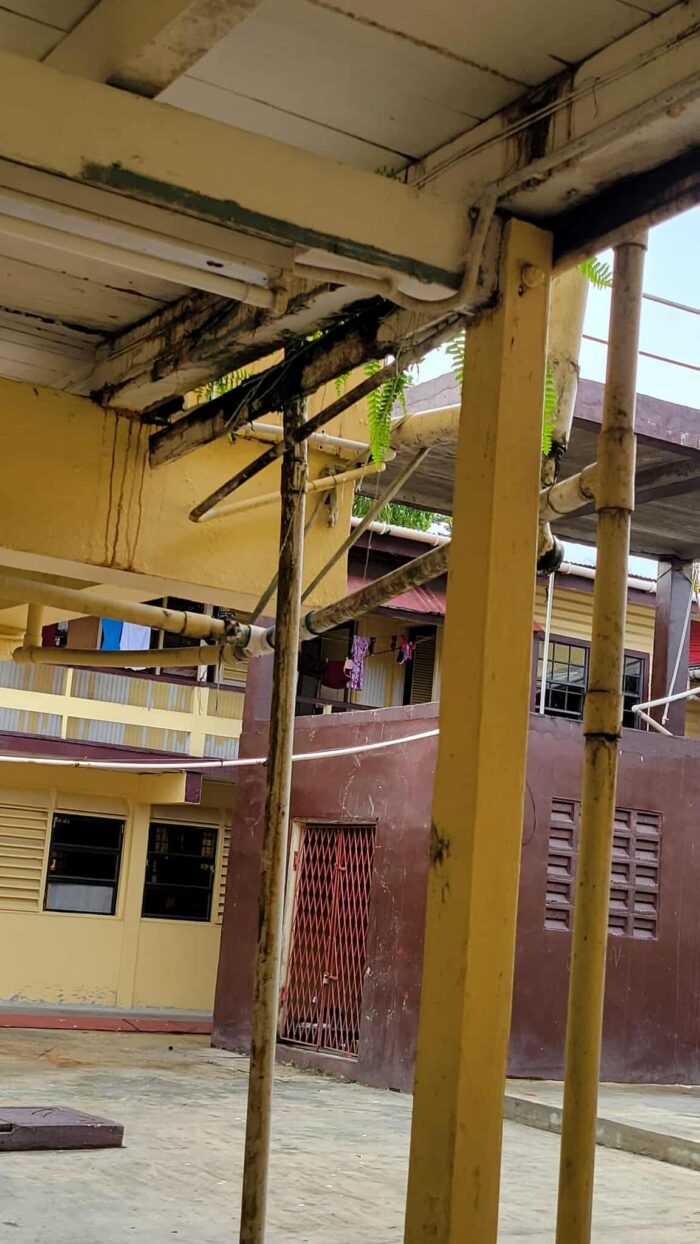
According to information shared with WIN, the hostel is “unkempt and in a deplorable condition.” Reports include the presence of “a paralyzed bedridden man, an amputee, and another with a stroke, all in an untidy room.” While the Ministry of Amerindian Affairs has focused on cosmetic improvements—“painting the exterior of the building”—WIN stated that “the condition beneath is appalling,” describing the facility as “an untidy, rundown dwelling for our indigenous brothers and sisters in the city.”
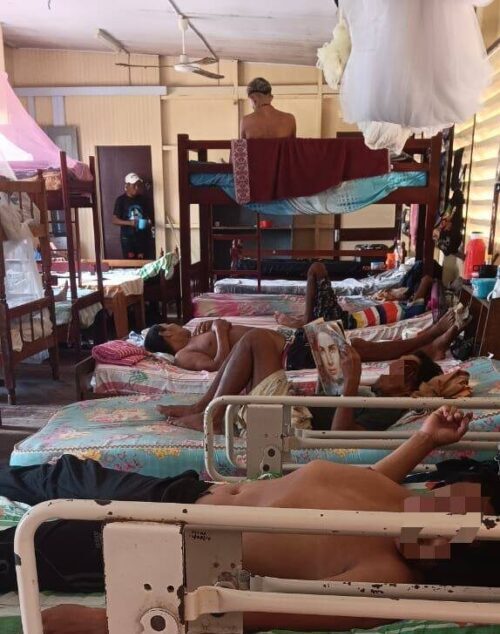
The complaints relayed to WIN portray a facility unfit for those who rely on it:
-
“The hostel is extremely hot. There is a need for fans and air conditioning.”
-
“Persons leave sicker after getting there, as the beds are not good and are too close to each other. The mattresses are thin, and people reported getting scabies after a night there.”
-
“The washrooms are out of order, and persons have to fetch buckets of water to flush toilets. There are no cleaning supplies in the toilet.”
-
“The food is usually subpar. There is hardly any meat; they often serve sausages and sardines and are allowed only two slices of bread.”
-
“The water pressure is unstable.”
-
“The hostel is infested with rats.”
WIN is calling on Minister of Amerindian Affairs Sarah Browne-Shadeek to “address these issues immediately.”
The troubling reports mirror long-standing inequalities confronting Guyana’s Indigenous population. Amerindians, who make up roughly 10.5% of the national population, account for an estimated 63% of those who are multidimensionally poor—an imbalance that points to deep structural inequities. Across many hinterland communities, chronic shortages of essential services persist, including access to safe drinking water, reliable healthcare, and adequate schooling.
These economic hardships are compounded by social and environmental vulnerabilities. Mining, logging, and other extractive industries often advance into Indigenous territories without proper consultation or compensation, threatening traditional livelihoods and reinforcing cycles of marginalisation.
Against this national backdrop, the deteriorating state of the Amerindian Hostel is viewed by advocates as emblematic of a broader pattern of neglect. Fresh coats of paint and periodic official pronouncements, they argue, do little to change the daily reality faced by many Indigenous citizens. WIN’s account of the facility—and Mohamed’s denial of entry—has intensified calls for accountability and immediate corrective action from the Ministry of Amerindian Affairs.

For many observers, the condition of the hostel is more than administrative mismanagement. It represents a deeper failure to uphold the dignity and wellbeing of one of Guyana’s most vulnerable populations. As WIN pushes for urgent intervention, Indigenous leaders and civil society groups are expected to amplify demands not only for improved living standards at the hostel but also for broader reforms addressing poverty, rights protections, and equitable access to services nationwide.
WIN later disclosed that following Mohamed’s attempted visit, an unusual development occurred: Minister of Amerindian Affairs Sarah Browne, who had not been seen at the facility prior, showed up for the first time—more than an hour after the Opposition Leader in-waiting and accompanying Members of Parliament (MPs) were ordered off the premises by the warden, reportedly acting on instructions from the PPP. According to WIN, the Minister arrived to meet nearly 100 distressed Indigenous residents but “instead of listening to their cries, attempted to make excuses for the PPP’s ongoing neglect and failure to address their most basic needs.”