By Mark DaCosta- The suspicious circumstances surrounding the death of Guyanese American youth Dinari McAlmont have ignited calls for a thorough investigation into potential foul play, as his family seeks justice amid claims of a cover-up by local authorities.
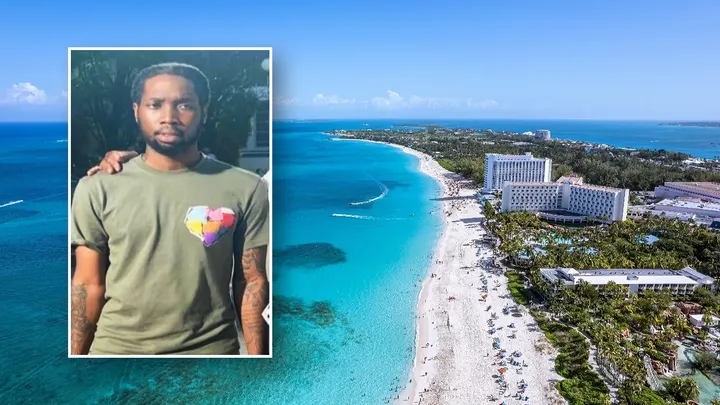
Dinari McAlmont, a 23-year-old from Bowie, Maryland, tragically lost his life while on vacation at the Atlantis Paradise Island Resort in The Bahamas on April 5, 2025. The Caribbean Guyana Institute for Democracy (CGID), a New York-based organisation dedicated to promoting democracy and human rights in the Caribbean region, is urging the Prime Minister of The Bahamas, Philip Davis, to instruct the Royal Bahamas Police Force to reevaluate the investigation into McAlmont’s death, which has been marked by troubling inconsistencies and unanswered questions.
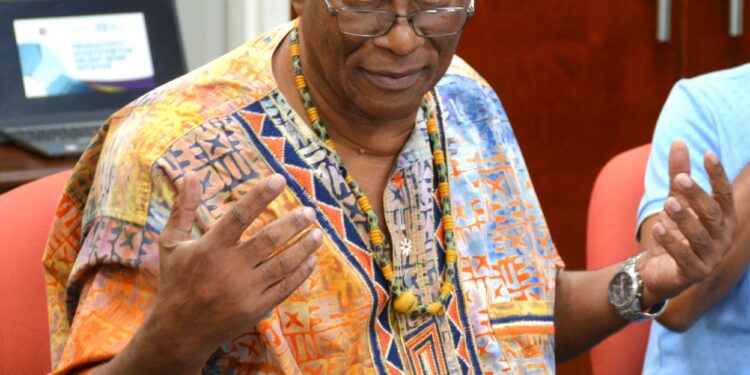
CGID, established to advocate for the Caribbean diaspora and ensure their voices are heard, has taken a keen interest in this case, emphasising the need for transparency and justice. The organisation’s president, Rickford Burke, has been vocal in pressing for accountability, stating that the family deserves a comprehensive review of the circumstances surrounding Dinari’s tragic demise.
McAlmont’s mother, Michelle Bacchus-Mcalmont, a citizen of both the United States and Guyana, has expressed her outrage at the apparent lack of urgency and seriousness with which Bahamian authorities are addressing the case. She articulated her frustration in letters sent to prominent US politicians, including Congressman Hakeem Jeffries and other representatives, detailing the family’s struggle for answers following the shocking death of her son shortly after his arrival on the island.
Allegations suggest that Dinari was involved in an altercation at a bar within the resort, leading to a confrontation with a hotel security official. Surveillance footage reportedly shows the chief of security assaulting McAlmont, prompting him to flee. Subsequently, his body was discovered on a beach some distance away, with local police attributing his death to an accidental drowning. However, strong indications contradict this narrative.
Concerned members of Dinari’s family claim that when his body was found, his wallet was intact and dry despite the assertion that he had drowned, and they reported defensive wounds on his body. According to Mrs. Bacchus-Mcalmont, “his wallet was in his pocket and was not wet when it was recovered with all his money missing.” This has led the grieving family to question whether Dinari was, in fact, the victim of a homicide prior to his body being dumped at the beach.
Further discrepancies have emerged regarding the timeline and location of Dinari’s alleged death. On one hand, the police maintain he died on the beach, while hospital records imply he passed away after being admitted to the emergency room. These inconsistencies have increased fears among McAlmont’s loved ones that an attempt is being made to obscure the true circumstances surrounding his death, particularly amidst ongoing allegations of a cover-up involving both the hotel’s security detail and the local police.
Burke has strongly asserted that the family deserves a transparent and exhaustive investigation. He conveyed that “the material inconsistencies have convinced Dinari’s family and others in the US that the Atlantis’ security staff and the Royal Bahamas Police Force are colluding to potentially cover up a homicide.” He articulated the urgent need for Prime Minister Davis to ensure a full and fair inquiry that will allow the facts surrounding Dinari’s death to be uncovered, stating, “the matter can gravely impact the reputation of The Bahamas and its tourist industry.”
Amidst rising tension and demands for justice, the case has garnered the attention of several high-profile political figures in the United States. Burke has included a broad range of stakeholders in his advocacy efforts, sending copies of his letter to key politicians and government officials, including US Senators and representatives from Maryland, indicating that the ramifications of this incident extend beyond the shores of The Bahamas.
For many in our nation, particularly those within the diaspora, the circumstances surrounding Dinari McAlmont’s death resonate deeply, reflecting longstanding concerns regarding safety and security for citizens abroad. The perceived mishandling of the case has provoked serious discussions about accountability, the duty of care owed to tourists, and the consequences of negligence by authorities.
As this tragic situation unfolds, the Bacchus-Mcalmont family remains relentless in their pursuit of justice. Dinari’s mother implores that his death should not be shrouded in mystery, calling for rigorous scrutiny into the events leading up to that fateful day. Mothers in our nation know too well the hopes and dreams that children carry, and to lose a son under such dire circumstances is an unfathomable tragedy.
The CGID and the family of Dinari McAlmont are calling for clarity, justice, and a commitment to ensuring that such a horrifying experience does not happen to another family. The question remains: will the Bahamian authorities heed the call and pursue the truth, or will this case become yet another chapter in the narrative of injustice for our country’s sons and daughters abroad?