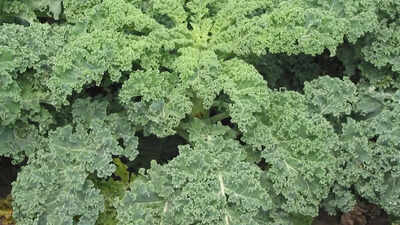
Think milk is the ultimate source of calcium or that oranges are unbeatable for vitamin C? There’s a surprising contender that quietly surpasses both: kale, a leafy green that has become a global superfood sensation. Far from being just another winter vegetable, kale is packed with essential nutrients, including more calcium per gram than milk and more vitamin C than an orange. Beyond these headline benefits, it provides vitamin K, beta-carotene, iron, and potent antioxidants, supporting bone health, immunity, and overall vitality. Its resilience in cold climates, ease of cultivation, and culinary versatility make it an ideal choice for home cooks, gardeners, and plant-based eaters alike. Kale isn’t just nutritious—it’s a winter powerhouse that nourishes the body and the planet.
Kale: A cold-resistant winter vegetable that grows easily and stays nutritious
Kale is often referred to as a winter warrior because of its ability to thrive in cold temperatures. Its leaves contain high levels of water-soluble sugars and salts, which act as natural antifreeze, protecting the plant from frost damage and harsh winter conditions. This remarkable adaptation allows kale to grow even when other vegetables struggle, making it a reliable and nutritious crop for winter farmers and gardeners alike.
Kale’s nutritional profile
While kale is widely celebrated for its calcium and vitamin C content, its nutritional profile goes much further. A 100-gram serving of kale delivers impressive amounts of fiber, antioxidants, vitamin K, potassium, and folate, making it a powerhouse vegetable that supports bone health, heart function, digestion, and overall wellness.
- Calcium: Higher than milk per gram, supporting strong bones and teeth.
- Vitamin C: Surpassing oranges in concentration, essential for immunity, collagen production, and antioxidant protection.
- Vitamin K: Over 600% of the recommended daily intake, crucial for blood clotting and bone metabolism.
- Beta-carotene: A precursor to vitamin A, promoting eye health, skin integrity, and immune defense.
- Antioxidants: Compounds like quercetin and kaempferol fight inflammation and oxidative stress.
- Iron: A plant-based source that works synergistically with vitamin C to enhance absorption, helping prevent anemia.
This combination of nutrients makes kale an exceptionally dense and versatile superfood, capable of meeting multiple dietary needs in a single serving.
Role of kale in plant-based diets
Kale has become a cornerstone of vegetarian and vegan diets. For those reducing or eliminating animal products, it serves as a nutrient-dense alternative to dairy and meat, particularly for calcium, iron, magnesium, and protein. Its high fiber content supports healthy digestion, while antioxidants, vitamins, and plant-based protein promote muscle repair, cardiovascular health, and overall vitality.For anyone following a plant-based lifestyle, kale is a practical, versatile, and easily incorporable solution to bridge nutritional gaps, enhance meal variety, support energy levels, and maintain optimal health without compromising on taste or convenience.
How to incorporate kale into your meals
One of kale’s greatest strengths is its versatility in the kitchen. Here are some innovative ways to enjoy this leafy green:
- Kale pesto: Blend kale with garlic, nuts, olive oil, and nutritional yeast for a vibrant, nutrient-packed sauce.
- Stuffed leaves: Use large kale leaves as wraps for grains, beans, and vegetables, then steam or bake for a hearty dish.
- Breakfast addition: Incorporate sautéed kale into scrambled eggs, omelets, or breakfast burritos for an early nutrient boost.
- Fermented kale: Add kale to homemade sauerkraut or kimchi to enjoy probiotics and tangy flavor.
These ideas show that kale can be both nutritionally powerful and delicious, fitting seamlessly into a wide range of meals.
Environmental advantages of kale
Kale is also a sustainable food choice. It has a relatively low carbon footprint compared to meat and dairy, requiring less water, energy, and land to grow. For environmentally conscious consumers, incorporating kale into their diets supports a more eco-friendly and sustainable food system. Additionally, kale’s hardiness and adaptability make it ideal for local farming, reducing the need for long-distance transportation and lowering greenhouse gas emissions even further. It can be grown in a variety of climates and soil conditions, often without the need for synthetic fertilizers or pesticides, which helps protect local ecosystems and biodiversity. Choosing kale not only benefits personal health but also contributes to a healthier planet.
Why kale will remain a superfood staple
Kale’s rise is not a passing trend. Its combination of nutritional density, adaptability, and culinary versatility ensures it remains a staple in kitchens around the world. By embracing kale, you are nourishing your body with essential vitamins and minerals, supporting sustainable agriculture, and enjoying a winter vegetable that thrives against the odds.In essence, kale is more than a leafy green—it is a symbol of resilience, health, and sustainable living, making it one of the most valuable additions to any diet.Disclaimer: While kale is highly nutritious and offers more calcium than milk and more vitamin C than an orange per gram, it should not replace a balanced diet or prescribed medical advice. Individual nutritional needs may vary.
Times Entertainment