Overview
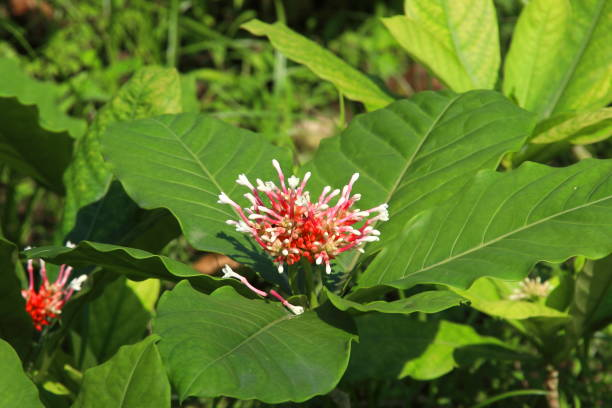
Indian snakeroot (Rauvolfia serpentina) is an evergreen shrub found in Southeast Asia. The root is used as medicine. It’s considered an endangered species.
Indian snakeroot contains small amounts of chemicals such as reserpine and yohimbine, which are prescription drugs that can cause serious side effects.
People use Indian snakeroot for high blood pressure, anxiety, constipation, malaria, insomnia, and many other conditions, but there is no good scientific evidence to support these uses.
Don’t confuse Indian snakeroot with Rauvolfia vomitoria or Yohimbe. These are not the same.
Uses & Effectiveness
We currently have no information for Indian Snakeroot dosing.
Side Effects
When taken by mouth: Indian snakeroot is possibly unsafe. It contains the drugs reserpine and yohimbine. Most side effects seem to be mild, but high doses might cause low blood pressure and slow heart rate. Long-term use can cause depression.
Special Precautions and Warnings
When taken by mouth: Indian snakeroot is possibly unsafe. It contains the drugs reserpine and yohimbine. Most side effects seem to be mild, but high doses might cause low blood pressure and slow heart rate. Long-term use can cause depression.
Pregnancy and breast-feeding: There isn’t enough reliable information to know if Indian snakeroot is safe to use when pregnant or breast-feeding. Stay on the safe side and avoid use. The chemicals in Indian snakeroot can be passed to the unborn baby and into breast milk and might cause harm.
Anxiety: Indian snakeroot contains a chemical that might make anxiety worse. Use Indian snakeroot with caution if you have anxiety.
Depression: Indian snakeroot can cause depression, especially in people who have had depression before.
Shock therapy (electroconvulsive therapy, ECT): Indian snakeroot should not be used by people who are receiving ECT. Stop taking Indian snakeroot at least one week before beginning ECT.
Gallbladder disease: Indian snakeroot might make gallbladder disease worse. Use Indian snakeroot with caution if you have gallbladder disease.
Heart disease: Chemicals in Indian snakeroot can increase or decrease blood pressure. Use with caution if you have heart disease or are at risk for heart disease.
Pheochromocytoma: Avoid Indian snakeroot if you have this condition. It might increase the risk of dangerously high blood pressure.
Gastrointestinal (GI) conditions: Indian snakeroot can irritate the stomach and intestines. Don’t use it if you have ever had peptic ulcers or other stomach disorders.
Interactions
Moderate Interaction
Be cautious with this combination
- Medications changed by the liver (Cytochrome P450 2D6 (CYP2D6) substrates) interacts with Indian Snakeroot
Some medications are changed and broken down by the liver. Indian snakeroot might change how quickly the liver breaks down these medications. This could change the effects and side effects of these medications.
- Medications for diabetes (Antidiabetes drugs) interacts with Indian Snakeroot
Indian snakeroot might lower blood sugar levels. Taking Indian snakeroot along with diabetes medications might cause blood sugar to drop too low. Monitor your blood sugar closely.
- Medications for high blood pressure (Antihypertensive drugs) interacts with Indian Snakeroot
Indian snakeroot might lower blood pressure. Taking Indian snakeroot along with medications that lower blood pressure might cause blood pressure to go too low. Monitor your blood pressure closely.
- Medications that slow blood clotting (Anticoagulant / Antiplatelet drugs) interacts with Indian Snakeroot
Indian snakeroot might slow blood clotting. Taking Indian snakeroot along with medications that also slow blood clotting might increase the risk of bruising and bleeding.
- Digoxin (Lanoxin) interacts with Indian Snakeroot
Digoxin helps the heart beat more strongly. Indian snakeroot seems to slow the heartbeat. Taking Indian snakeroot along with digoxin might decrease the effects of digoxin. Do not take Indian snakeroot if you are taking digoxin.
- Ephedrine interacts with Indian Snakeroot
Ephedrine can speed up the nervous system and make you feel jittery. Indian snakeroot might increase or decrease these effects from ephedrine.
- Levodopa interacts with Indian Snakeroot
Levodopa is used for Parkinson disease. Taking Indian snakeroot along with levodopa might decrease the effects of levodopa. Do not take Indian snakeroot if you are taking levodopa.
- Medications for depression (MAOIs) interacts with Indian Snakeroot
Indian snakeroot contains a chemical, called tyrosine, that affects the body. This chemical might increase the side effects of some medications used for depression.
Some common MAOIs include phenelzine (Nardil), selegiline (Zelapar), and tranylcypromine (Parnate).
- Medications for mental conditions (Antipsychotic drugs) interacts with Indian Snakeroot
Taking Indian snakeroot along with some medications for mental conditions might increase the risk of side effects.
- Sedative medications (CNS Depressants) interacts with Indian Snakeroot
Indian snakeroot might cause sleepiness and slowed breathing. Some medications, called sedatives, can also cause sleepiness and slowed breathing. Taking Indian snakeroot with sedative medications might cause breathing problems and/or too much sleepiness.
- Stimulant drugs interacts with Indian Snakeroot
Stimulants, such as amphetamines and cocaine, speed up the nervous system. By speeding up the nervous system, stimulant medications can increase blood pressure and speed up the heartbeat. Taking Indian snakeroot along with stimulant drugs might cause serious problems including increased heart rate and high blood pressure.
- Medications for depression (Tricyclic Antidepressants) interacts with Indian Snakeroot
Taking some medications used for depression might alter the effects of Indian snakeroot and increase the risk for side effects.
- Medications for high blood pressure (Beta-blockers) interacts with Indian Snakeroot
Indian snakeroot might lower blood pressure. Taking Indian snakeroot along with medications that lower blood pressure might cause blood pressure to go too low. Monitor your blood pressure closely.
Dosing
There isn’t enough reliable information to know what an appropriate dose of Indian snakeroot might be. Keep in mind that natural products are not always necessarily safe and dosages can be important. Be sure to follow relevant directions on product labels and consult a healthcare professional before using. (webmd)