By Michelle Ann Joseph- As we celebrate Black History Month, let us explore the black hair phenomenon. Persons of African descent, whether men or women can be seen with varying hairstyles. Some women straighten their hair- in some parts of the world it is called a perm- or sport an afros, cornrows/canerows, wigs, hair extensions. Men sport dreadlocks, braids and cornrows, which is evident in today’s society.
Hairstyles were heavily influenced by Eurocentric standards of beauty: sleek tresses, pompadours, smooth waves achieved through pressing combs and relaxers. This was before they were hair products made for the black hair.
Madam C.J.Walker, who revolutionised modern day entrepreneurship for black women, created black hair products in the 1900’s and is acknowledged as one of the first Black woman millionaire.
Annie Malone, though lesser known, was another self-made entrepreneur in the early 1900’s as well, who like Madam C.J.Walker created products centered around black hair.

The Civil Rights movement in the 1960’s sparked the return of wearing black hair in it’s naturally textured state. Black women such as Pam Grier and activist Angela Davis wore iconic afros that helped to shape positive representation of black hair both in popular culture and as a symbol of liberation and pride.
In the Guyanese context, there was a period of time when some black hairstyles were not accepted in the workplace. For instance, females who worked at local banks, told this newspaper that a few years ago, they were asked to not wear braids – the alternative was to relax their hair. Presently, military women in Guyana are not allowed to braid their hair whilst performing duties.
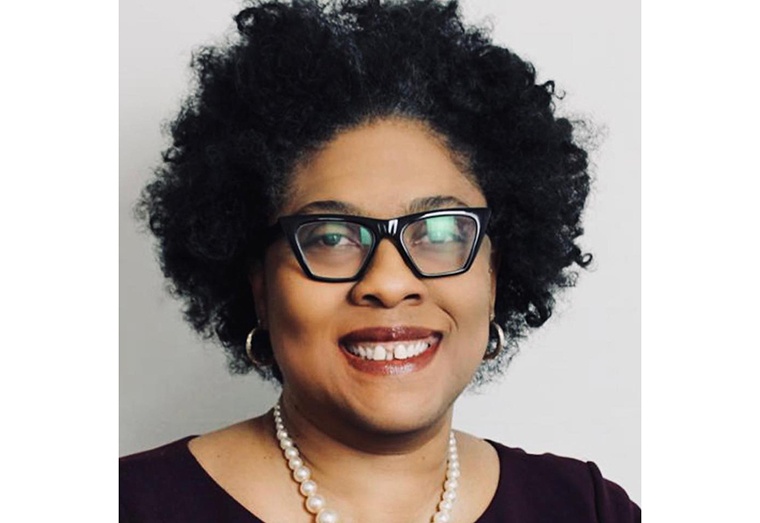
Natural hairstyles have re-emerged and provide positive Black hair representation in popular culture – but not without issue. Culture Appropriation often leeches through the very seams that Black people have fought so hard to break free from.
The birth of Hip-Hip gave way to more creative expressions of hairstyling: Janet Jackson in box braids, the gender bending fade of Grace Jones that boldly defied Eurocentric norms of beauty and acceptability.
Presently, the line between appropriation and appreciation still lingers. From Bantu knots being coined “mini-buns” by the fashion industry, to baby hairs being credited to white celebrities, to locs been deemed as “ pushing the boundaries,” worn by a white woman, yet “ smells like patchouli oil” when worn by a black woman.

It is important to acknowledge how colonialism has made it so that dominant cultures profit from the trends of black culture today.
The journey and liberation of Black hair is far from over. It was not until 2019 that the Crown Act, which stands for “Create a Respectful and Open Word for Natural hair,” was passed in California, which then became the first state to ban natural hair discrimination.
Coming closer home, in the Caribbean, there have been changes. For instance, Trinidad and Tobago has a policy that permits afro, locs and cornrow in schools; Jamaica’s Minister of Education has urged schools administrators not to bar students from attending classes because of hair or grooming. In Guyana, students are allowed to attend schools rocking natural hairstyles; some workplaces also permit the freedom of choice and expression of black pride.

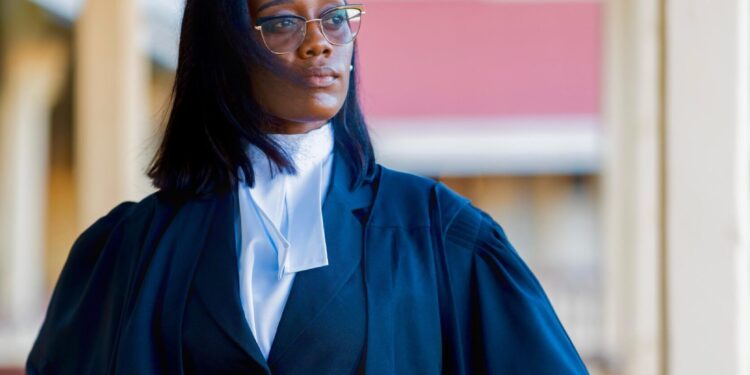
Of note in Guyana, dreadlocks were prohibited in prisons. When convicted the locs of prisoners were cut off as soon as their sentences began. This discriminatory act is no longer practiced. From the officers of the court to the layman, wear their hair however they choose to with the exception of military women.
The future of Black hair is, quite frankly, whatever we want it to be. As celebrity stylist Yene Damtew states, “Black hair is beauty and versatility.” Black hair tells the history of our heritage, it dictates the trends of today, and speaks to our resilience as Black people as we move towards the future.
Black hair will continue to be a symbol of strength, illuminating Black identities – however members of race choose to wear their crown.