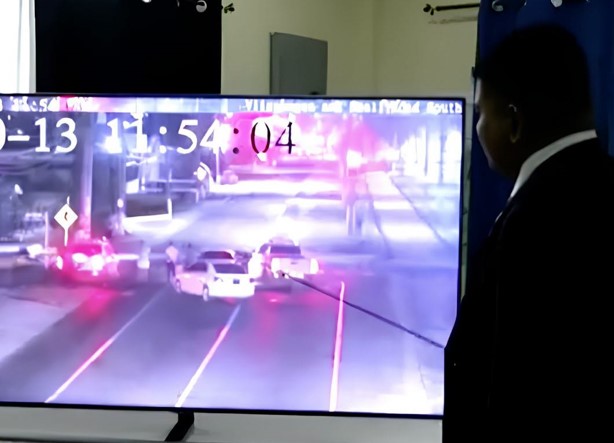
Guyana is now in a dispute where the footage, the footage’s source, and the people who handled it are all under scrutiny at once. Whatever one makes of the politics, the institutions are being tested in public, and they have not yet passed. We must ask, is the camera and the footage the real issue, or, are the events captured by cameras of greater importance? We must ask, why are some people more focused on who got footage and how they got it instead of the substantive questions raised about what the camera-footage shows?
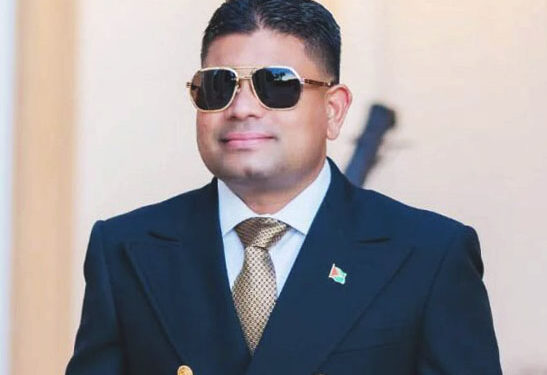
The facts are these. Opposition Leader Azruddin Mohamed, and Police Constable Ryan Greene were denied bail at Sparendaam and remanded until November 24. The police allege the constable downloaded surveillance footage on October 23 and was paid GY$800,000 for it. A second constable, Ashton Chappelle, has since been charged under the Cyber Crime Act. These are allegations, not findings. The presumption of innocence applies to Mohamed, to both constables, and to anyone else later named.
Mohamed’s account differs. He reportedly says people within Special Branch provided the footage, and he presented it as showing an attempt on his life during the October 12 shooting. The police dispute this. His lawyers argue the footage captured events in public spaces and was needed for his defence. Counsel in the shooting case argued the men were caught in a wider state-sponsored political confrontation. A court, not a press conference or a Facebook live, must decide between these accounts. But, the question remains: why is the footage more important to the powers that be, instead of what may have been captured by the cameras?
Several questions deserve answers regardless of who is proved right.
First, security. If a constable of twenty could reach the Command Centre’s servers and copy sensitive recordings, the problem goes beyond one man. Citizens are now asking who monitored access to that footage. A surveillance system that cannot protect its own files undermines the case for having it. You simply should not have a secure surveillance system if you cannot secure it from a twenty year old constable.
Second, pay and temptation. Whether or not the bribery allegation holds, Guyanese know that junior ranks are underpaid and exposed. Reform means better supervision, audit trails and welfare, not only prosecution of the junior officer. Therefore, who is ultimately responsible?
Third, witness safety. Senior Superintendent Prem Narine is a key witness in the extradition proceedings involving the Opposition Leader and his father, and Mohamed admits circling Narine’s home twice. Witnesses must be able to live without fear, or no case against anyone is safe. That standard binds every politician equally, and Mohamed, who is US-sanctioned and indicted, is no exception.
Fourth, the opposition’s rights. A free society must be able to question the police without being treated as an enemy of the State. When one man is arrested repeatedly, at least four times in weeks, supporters will see persecution and critics will see accountability. Prosecutors must be seen to follow the evidence, not the headlines, and they must explain their reasoning clearly and early.
Fifth, the streets. Protests and clashes with police followed the arrest. Our history shows how quickly political anger can harden along lines of race and region. Party leaders on all sides carry a duty to cool tempers, not inflame them. Politicians must think before they talk.
Sixth, our reputation. A country with new oil money is being watched closely. Investors and partners judge us by whether our courts are independent, our police disciplined and our politics survivable.
Finally, the press and the public must resist trial by social media. Leaked clips, partisan commentary and rumour are poor substitutes for evidence tested in court. The defence has now taken its bail fight to the High Court, which is the right place for it.
What Guyana needs is less noise and more process. Investigate the breach. Protect the witnesses. Prosecute fairly and openly. Let the courts rule. Whoever is right about October 12, Guyanese are owed an answer to a larger question: can the State guard its secrets, respect its opponents, and still deserve our trust?