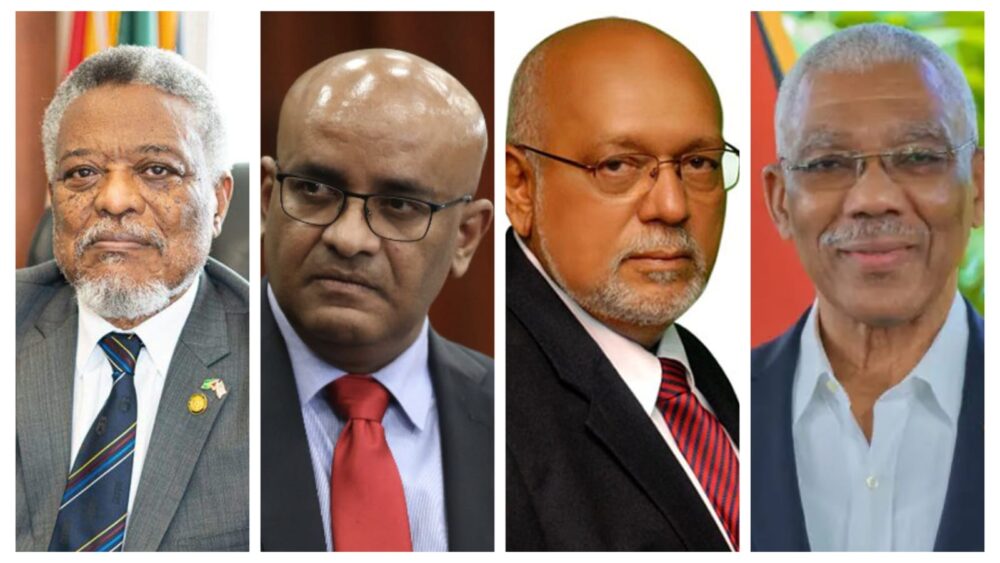
There is something profoundly obscene about a political establishment finding the time, political will and parliamentary energy to protect presidential privileges while ordinary Guyanese struggle with poverty, rising living costs and the daily indignity of making ends meet.
The Former Presidents Benefits Bill is more than another piece of legislation. There will be continued debate in the National Assembly, and it will likely pass given the Government parliamentary majority. But this Bill exposes a political class increasingly comfortable placing its own interests above those of the people it was elected to serve.
President Irfaan Ali must explain why his administration is prioritising legislation that could secure his own post-presidency comforts while thousands of Guyanese continue to struggle to afford food, medication, housing and basic necessities. Ali is not merely presiding over a government advancing benefits for former presidents; he is potentially legislating for his own future, ensuring that when his presidency ends, the public purse could continue to carry the burden of his privileges. That is the glaring conflict of public interest that demands scrutiny.
And where are the former presidents?
Sam Hinds, Bharrat Jagdeo, Donald Ramotar and David Granger. They have been conspicuously silent as legislation affecting their post-presidential benefits comes before Parliament. Their silence is deafening.

Are they satisfied with what Ali’s administration is putting on the table? Are they waiting to see just how generous the arrangements will be? Have they suddenly lost their voices when the subject is their own comfort and financial security?
One cannot help but question whether these former presidents are silently salivating at the prospect of expanded or protected privileges, while the ordinary people whose taxes finance the State are left to carry the cost.
None of them should be allowed to hide behind silence. Jagdeo, who presided over years of political power and now serves as Vice-President, should explain his position. Hinds, Ramotar and Granger, former presidents, should publicly declare whether they support the proposed arrangements and whether they consider them reasonable in a country where so many citizens remain economically vulnerable.
The issue is not whether former presidents deserve reasonable security or legitimate post-office support. It is that the political establishment intends to create an entitlement system without sufficiently defined financial limits, transparency and accountability. The public doesn’t know exactly what these because they are uncapped.
Guyana is experiencing unprecedented oil wealth, yet prosperity remains unevenly distributed. Families are struggling with food prices, pensioners are stretching inadequate incomes, and workers are finding that their salaries cannot keep pace with the cost of living.
Against this reality, the Ali administration’s priorities are difficult to defend. Oil wealth should translate into better healthcare, education, housing, social protection and improved living standards, not become a permanent comfort fund for the political elite.
The National Assembly must not become a rubber stamp for legislation that protects those who have already enjoyed the highest offices and privileges in the country.
The people did not elect Ali, Jagdeo, Ramotar or Granger to establish a political aristocracy sustained by public funds. They elected leaders to serve, not to secure lifelong comfort at the expense of generations of taxpayers.
The Former Presidents Benefits Bill is therefore a test of political integrity. Ali must answer for advancing it, and Hinds, Jagdeo, Ramotar and Granger must answer for their silence. Guyanese are entitled to ask why a political class that has already enjoyed the rewards of power appears so united in protecting its own future while remaining so indifferent to the hardships of the people