Sovereignty is more than a flag, a national anthem or the right to occupy a seat at the United Nations. It is the fundamental right of a people to determine their country’s destiny, control their territory, manage their resources and make decisions in their national interest without undue external pressure. The question confronting Guyana is whether its expanding international partnerships are strengthening that independence or creating dependencies that could eventually constrain it.
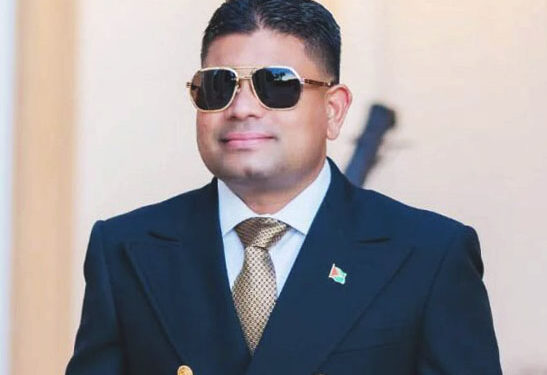
President Irfaan Ali insists that Guyana’s relationship with the United States is based on partnership, mutual respect and shared benefits. On October 21, 2026, he signed a Joint Declaration for an Enhanced Defence Partnership with US Secretary of War Pete Hegseth, committing both countries to deeper military cooperation, training and security coordination. The government describes the agreement as strengthening Guyana’s sovereignty and territorial integrity.
There is a legitimate argument for such cooperation. Guyana faces serious security challenges, including Venezuela’s territorial claims over Essequibo, and strengthening its defence capabilities is a national imperative. International partnerships can provide expertise, resources and deterrence that a small state might struggle to develop independently.
But cooperation must never become a substitute for independent decision-making.
The concern is not that Guyana is cooperating with Washington, but whether the public has sufficient information to assess the obligations, limitations and long-term consequences of that cooperation. The government has also entered a one-year migration framework under which six third-country nationals deported from the United States arrived in Guyana in September. Ali maintains that Guyana retains the right to vet and reject proposed transfers.
These assurances must be matched by transparent terms, enforceable safeguards and independent oversight. What happens if future requests exceed Guyana’s capacity? What protections exist for those transferred? Who bears responsibility if implementation creates legal, humanitarian or security complications?
The same scrutiny must extend to defence, energy, technology and investment agreements with the United States and other powers. Foreign investment can accelerate development, but economic dependence can narrow a country’s freedom of action. A nation may retain its legal independence while becoming increasingly constrained by its reliance on external financing, technology, markets or security assistance.
Sovereignty is not surrendered only through a treaty; it can also be weakened gradually through decisions that leave a country with fewer meaningful choices.
Guyana’s citizens therefore deserve to know what is being negotiated in their name. Parliament must scrutinise consequential agreements, and the government should publish their terms wherever security and legitimate confidentiality permit. The public must be able to assess whether benefits are reciprocal, whether national resources and strategic infrastructure are protected, and whether Guyana retains the practical ability to say no.
President Ali describes the US relationship as a partnership rather than dominance. That distinction must be demonstrated through the substance of agreements, not simply presidential assurances.
Guyana’s sovereignty belongs to its people, not to the government of the day. International partnerships may strengthen the country, but they must never place national interests beyond public scrutiny.
The fundamental question is not whether Guyana should have allies. It is whether, as its alliances deepen, Guyana remains sufficiently independent to determine its own future.