The Guyana Defence Force (GDF) deployed six aircraft during the response to the sinking of the MV Barima, but testimony before the Commission of Inquiry has raised questions about the timing of aerial operations, the reliability of flight records and what the searches actually achieved in the days following the disaster.
Captain Simon Gordon, a flight operations officer with the GDF Air Corps, testified on Friday that six aircraft were used between July 19 and 31, 2026. He said the Bell 407 was the only helicopter available for deployment on July 19, when the military began its aerial response.
The helicopter transported drone operators to Hampton Court before conducting coastal reconnaissance.
Gordon explained that the military first had to verify the location and reliability of a distress signal before committing resources.
“Once we get a distress [signal], we first need to confirm as much as possible where and how, essentially, if it’s not a spoof or it’s an inaccurate reading or it’s triggered before we deploy the resources,” he told the inquiry.
That explanation places the verification process at the centre of the inquiry’s examination of the response. In a maritime emergency, the time taken to confirm an alert and mobilise resources can be critical. The commission must establish whether the procedures followed were appropriate to the urgency of the situation.
Gordon said the crew received a WhatsApp briefing at 12:40 a.m. on July 19 and reported to Eugene F. Correia International Airport at 1 a.m. The Bell 407 was fuelled and ready by 1:30 a.m., while drone operators were dispatched to Hampton Court at 1:45 a.m. The BN Islander departed for reconnaissance at 2:59 a.m.
The timeline provides a record of the initial mobilisation, but it also leaves important questions for the inquiry: when were the relevant authorities first alerted, how quickly was the distress location confirmed, and were the available aircraft deployed as efficiently as possible?
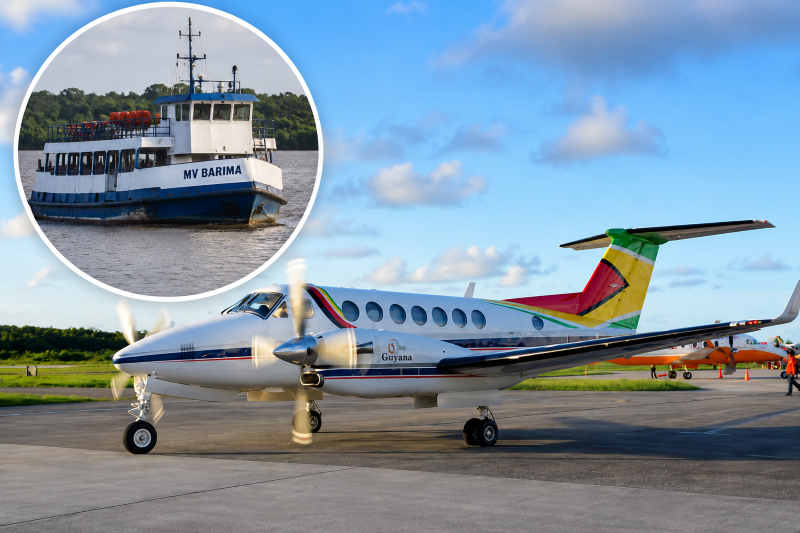
The GDF Air Corps operates nine aircraft, including two SC7 Skyvans, two Hindustan 228s, a Tecnam light utility aircraft, a BN Islander, a Beechcraft King Air 350, a Cessna 208 Grand Caravan and three helicopters: the Bell 412, Bell 407 and Bell 429.
Six aircraft were eventually deployed in the operation. Gordon said aircraft selection depended on the location, timing and resources required. He was responsible for coordinating flight schedules, passengers and cargo.
The deployment figure, however, does not by itself establish the effectiveness of the response. The commission must examine what each aircraft was tasked with, when it became operational and what its deployment achieved.
Gordon also confirmed that the Air Corps transported French military personnel and specialised equipment. The Bell 429 joined the operation on July 27, nine days after the vessel sank.
The inquiry was also told of a discrepancy between two recorded landing times. Gordon undertook to verify the information, raising questions about the accuracy and consistency of the operational records being examined.
Lieutenant Colonel Kevin Langevine testified that he conducted three coastal reconnaissance missions in a Bell 407 on July 22, 24 and 25. The flights were intended to search for survivors and bodies, but none were observed during those missions.
Langevine said he initially recorded flight timings in a personal notebook before transferring them to the official records. The commission will need to establish whether the records provide a complete and reliable account of the operations.
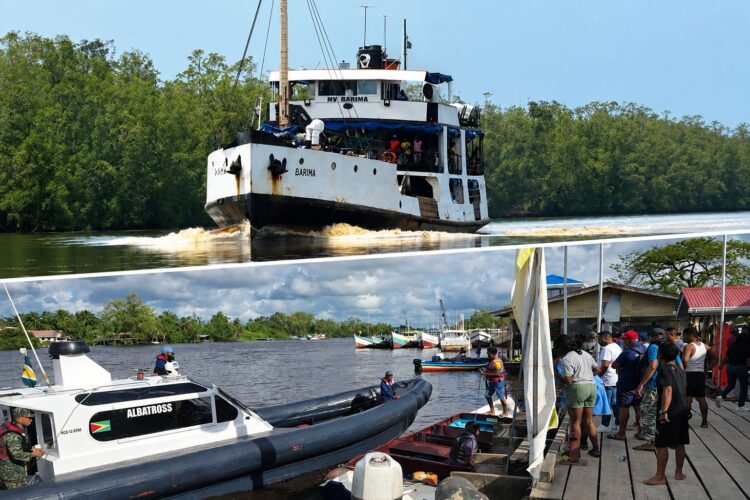
The MV Barima sank on July 18 while travelling towards Port Kaituma, resulting in extensive loss of life. The inquiry is examining the circumstances surrounding the disaster and the response by the agencies involved.
The testimony has established the sequence of some deployments, but critical questions remain about the speed, coordination and effectiveness of the response. Until those issues are addressed, the number of aircraft deployed cannot be treated as proof that the operation was adequate.
The commission’s findings, expected within six months, should clarify whether operational shortcomings occurred and what changes are needed to prevent another tragedy.