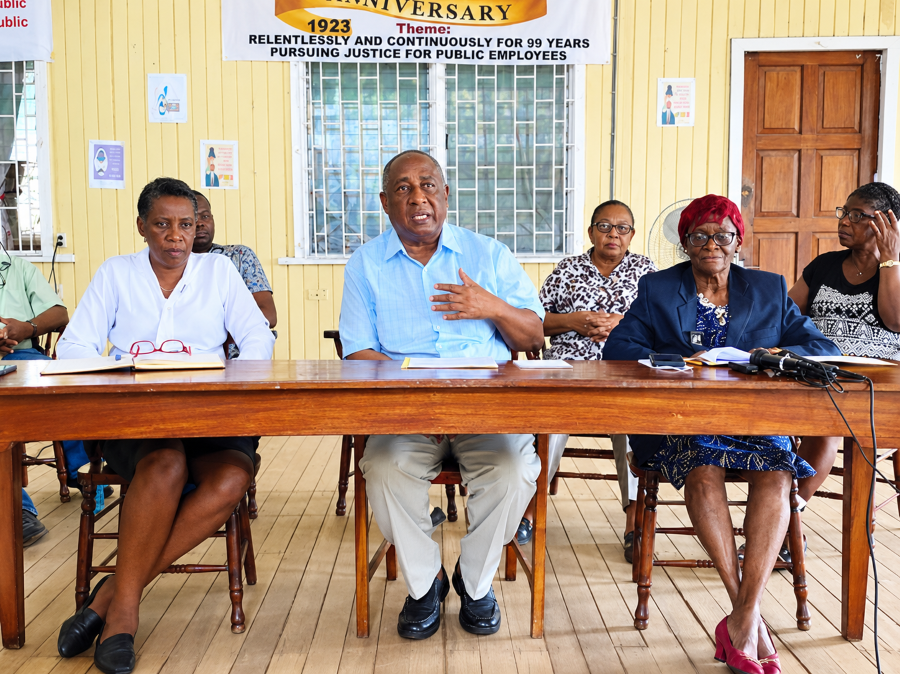
The Guyana Public Service Union (GPSU) has expressed “profound displeasure” over delays in wage negotiations with the government, intensifying pressure on the state to address public servants’ earnings as the high cost of living continues to squeeze workers despite Guyana’s oil-driven economic boom.
In statements published on October 13, the union raised concerns about negotiations covering 2026 and 2027, alongside a review of 2025, involving salaries, allowances and other conditions of service. The latest complaint raises questions about the government’s commitment to meaningful collective bargaining and whether workers are receiving a fair share of the country’s growing national wealth.
The union’s statements are available through its Official Publication. For public servants struggling with food bills, transportation, housing and utilities, delays mean continued uncertainty over when additional income might become available to meet household expenses. As the country’s largest public-sector employer, the government faces pressure to demonstrate that its economic achievements can translate into tangible improvements for the people delivering essential public services.
Living wage remains central to dispute
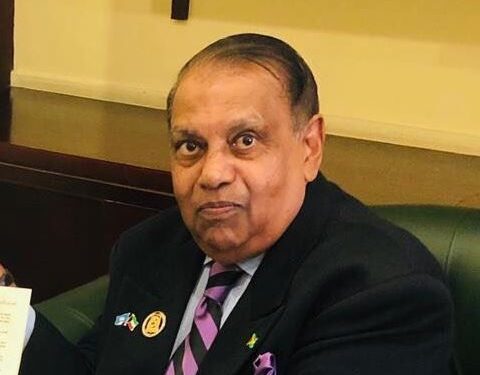
GPSU President Patrick Yarde has called for a clear pathway towards a living wage, arguing that public servants should be recognised as partners in national development rather than left to absorb rising household expenses without adequate compensation.
In a New Year’s message Yarde said the union had requested a meeting with the government to discuss further salary increases and establish a framework for a living wage. He said the request, made on September 17, 2025, had not received a response at the time of his statement.
The GPSU has also proposed across-the-board wage adjustments and a bilateral wage policy to guide increases over five years, with particular attention to lower-paid workers.
A living wage is intended to cover essential expenses and support a reasonable standard of living. The union’s demand raises a fundamental question: can public servants maintain that standard if their earnings fail to keep pace with the cost of basic necessities?
Oil wealth raises questions about affordability
The dispute is unfolding as Guyana experiences extraordinary economic expansion driven largely by offshore petroleum production.
The International Monetary Fund (IMF), in its October 8, 2026 assessment, reported that real gross domestic product grew by 19.3 per cent in 2025 and projected growth of 22.3 per cent in 2026. Government figures published in September projected petroleum revenues of nearly US$6.5 billion for 2026. Crude oil export earnings reached US$15.05 billion during the first half of the year, according to the government’s mid-year report. Export earnings, however, are distinct from revenue received by the state.
These figures sharpen the debate over the government’s ability to improve public-sector compensation while financing infrastructure and other national priorities.
Economic growth does not automatically translate into financial security for every household. For workers struggling with everyday expenses, headline growth figures offer limited reassurance unless the benefits are reflected in their purchasing power and quality of life.
The government must therefore explain how its wage policy will protect lower-paid public servants and ensure that national development delivers meaningful improvements for working families.
Previous increases have not ended the dispute
The government has pointed to salary adjustments as evidence of its efforts to improve public servants’ earnings.
According to the Department of Public Information, a two-year agreement with the GPSU provided for a retroactive 10 per cent salary increase effective January 1, 2024, followed by an 8 per cent increase in 2025. Adjustments to certain salary scales and allowances were also announced.
Those increases are relevant, but the union’s latest complaint shows that disagreements over compensation and the pace of negotiations remain unresolved.
The government cannot rely on previous increases alone to answer current concerns. It must engage the union, explain its position and establish a credible timetable for resolving outstanding issues.
The IMF has emphasised the importance of fiscal sustainability alongside investment in human capital and support for vulnerable groups. That objective does not remove the need for serious negotiations over fair compensation.
Workers await meaningful engagement
The GPSU’s October 13 statements did not establish a timetable for concluding the outstanding negotiations, and the government’s response to the latest complaint was not available in the sources reviewed.
As Guyana’s petroleum wealth expands, the government faces a test of its responsibilities as an employer. Public servants need clarity on their pay and employment conditions, not prolonged uncertainty while household budgets remain under pressure.
The central question is whether the government will establish a credible wage policy, engage the GPSU and address its call for a living wage.
Public servants who keep government institutions functioning must be able to share in the country’s prosperity. National progress should be measured not only by economic growth and petroleum earnings, but also by whether workers’ salaries allow them to live with dignity and financial security.