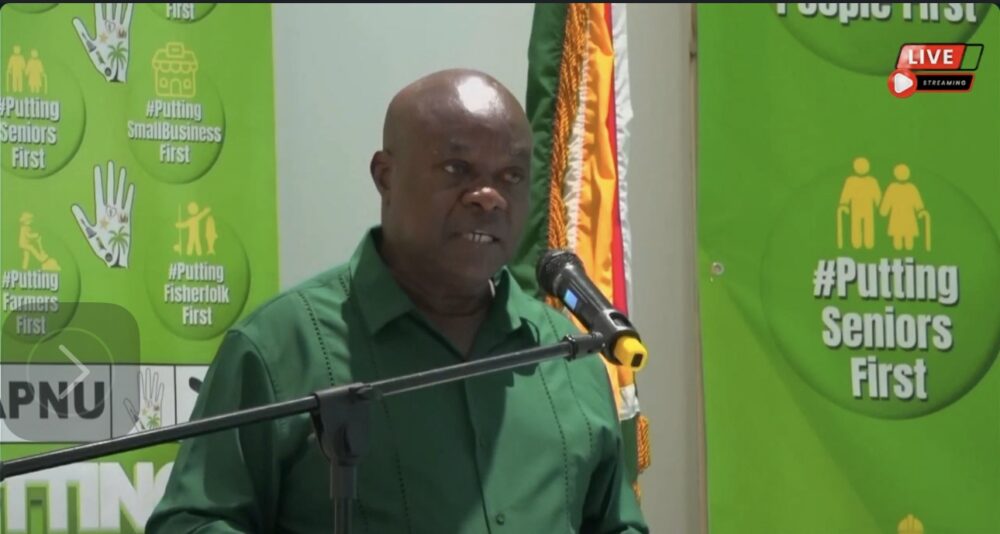
By Mark DaCosta- Guyana’s public institutions are losing the trust of the people they are meant to serve, and only genuinely independent oversight can restore it. That was the central argument of the A Partnership for National Unity and the People’s National Congress Reform (APNU/PNCR) at a press conference on November 6. The coalition linked a death in police custody, the unanswered grief of MV Barima families and the remand of the Opposition Leader as evidence that fair process and transparency cannot be optional.
The coalition spoke of “a deeper unease in our country”. It argued that the bereaved, the power-starved and the accused all want the same thing: equal treatment under the law. Lindeners’ protests over unreliable electricity and water, it said, belong to the same pattern. In its words, “Lindeners are living dark lives with no electricity and water.”
The sharpest criticism was reserved for the police. Gavin Douglas, 32, a labourer from West Coast Demerara, died on October 31 after being held at the Vreed-en-Hoop station. A post-mortem found a brain haemorrhage caused by blunt trauma. Police have since placed six ranks under arrest, and the Office of Professional Responsibility is widening its inquiry. Home Affairs Minister Oneidge Walrond has promised a thorough and impartial investigation. No one has yet been charged.
APNU said that is not good enough. It described “a police force that no longer serves and protects” and alleged that senior officers are increasingly accused of grave crimes without consequence. These are the coalition’s claims, and they remain untested. The party was careful to add that “responsibility must be proven through evidence and due process”. It called for independent oversight, preserved evidence and regular updates to Douglas’s family, insisting that “the State owes a duty of care to everyone in its custody.”
The coalition then turned to the MV Barima disaster of July, when the ferry capsised off the Essequibo coast with an estimated 179 people aboard. Authorities have recovered 72 bodies, and dozens remain unaccounted for. A presidential Commission of Inquiry is hearing evidence, and survivors and relatives are expected to testify when public hearings resume on November 10.
Families told commissioners last month that they distrusted presidential inquiries. APNU echoed that unease, warning that “grief should never become an exhausting struggle to be heard”. It said government assistance must come with clear communication and an open account of what each family can claim, and that the inquiry must end in published findings and corrective action.
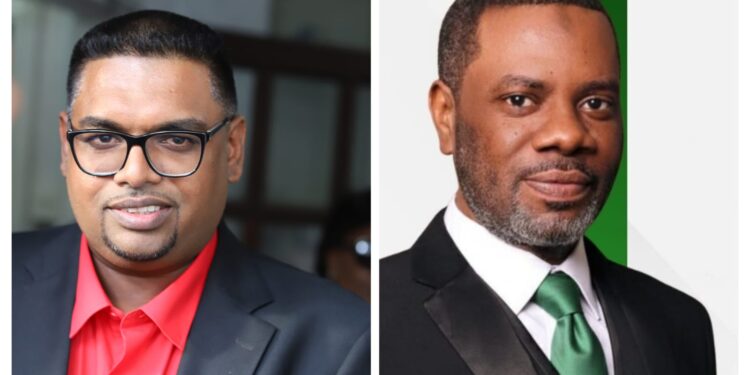
On Opposition Leader Azruddin Mohamed, the coalition stood by its October 30 position. Mohamed and Police Constable Ryan Greene were remanded until November 24 over the alleged unauthorised disclosure of government surveillance footage. APNU maintained that “every accused person is entitled to the presumption of innocence and a fair hearing”, and that “allegations must be tested in court”. It called on courts to act independently and on prosecutors to apply consistent standards whatever a person’s politics. It also said Karimbaksh must face the law, presenting the principle as one that cuts across party lines.
The statement closed on Linden. Residents, it said, deserve a hearing “without being dismissed because of where they live or whom they support”. Ignoring such grievances in an oil-rich economy, the coalition warned, deepens public cynicism about governance.
The government has not yet responded to the press conference. Its credibility will be tested in the coming weeks by the Douglas investigation, the resumed Barima hearings and Mohamed’s return to court. For many Guyanese, the question is no longer whether our institutions exist, but whether they will act without fear or favour.