ByJenna Anderson (Health)
At a Glance
- What we’re talking about: Certain raw milk cheeses from Sierra Nevada Graziers have been recalled nationwide.
- Why this matters: The cheeses were linked to an E. coli outbreak in nine states that has sickened 13 people.
- What you can do: Toss or return any recalled cheese, and monitor for E. coli symptoms.
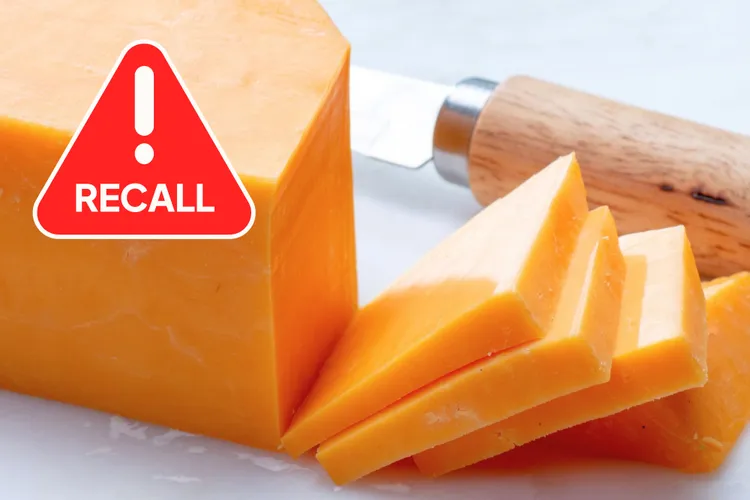
Certain raw milk cheeses have been recalled nationwide after being linked to a multistate outbreak of E. coli, the Food and Drug Administration (FDA) announced Friday.
Sierra Nevada Graziers voluntarily recalled four types of raw milk cheese—medium cheddar, sharp cheddar, jalapeño jack, and Monterey jack—after learning that nine of the 13 people in the outbreak ate the cheese before getting sick. No deaths have been reported in connection to the outbreak, but eight people have been hospitalized, and three developed hemolytic uremic syndrome, a serious complication of E. coli that can lead to kidney failure.
Which Cheese Was Recalled?
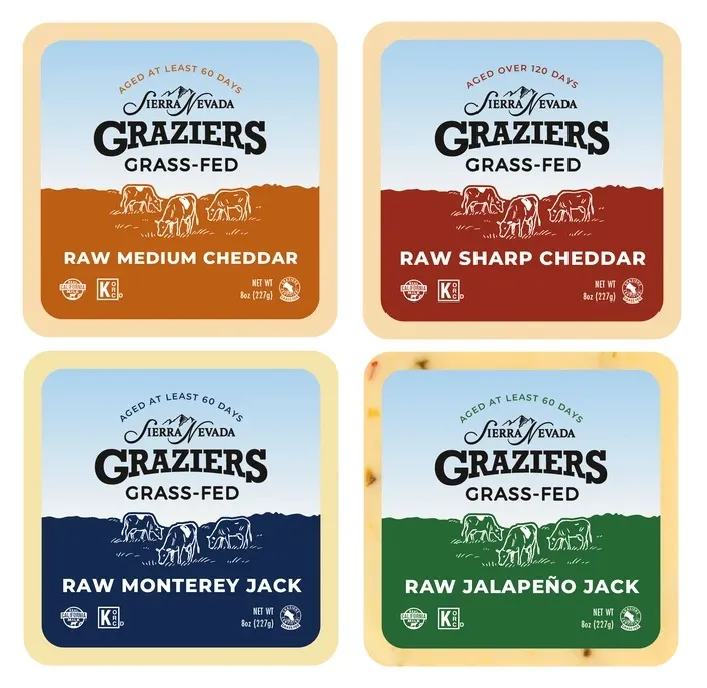
- Product description: Sierra Nevada Graziers grass-fed raw milk cheeses
- Varieties: raw medium cheddar, raw sharp cheddar, raw jalapeño jack, and raw Monterey jack
- Sizes: 8-oz and 16-oz packages for retail, and 5-lb loaves for wholesalers and foodservice providers
The recalled cheese was sold nationwide, but cases of E. coli have only been reported in nine states: California, Colorado, Georgia, Kentucky, Michigan, Nevada, Oregon, Tennessee, and Utah.
The last illness onset in the outbreak was on Aug. 26, 2026.
What You Should Do
The FDA is urging consumers to check for the recalled cheese in their fridges and freezers. If you have any of the recalled products, toss or return them.
If you think you ate contaminated cheese, monitor for symptoms of E. coli, including severe stomach cramps, diarrhea, fever, nausea, and vomiting.
Seek medical attention if you or a loved one experiences E. coli symptoms after eating the recalled cheese.
The FDA also recommends against consuming raw milk products. Use pasteurized milk instead, which has been heated to kill harmful bacteria—including E. coli—while retaining milk’s beneficial nutrients.