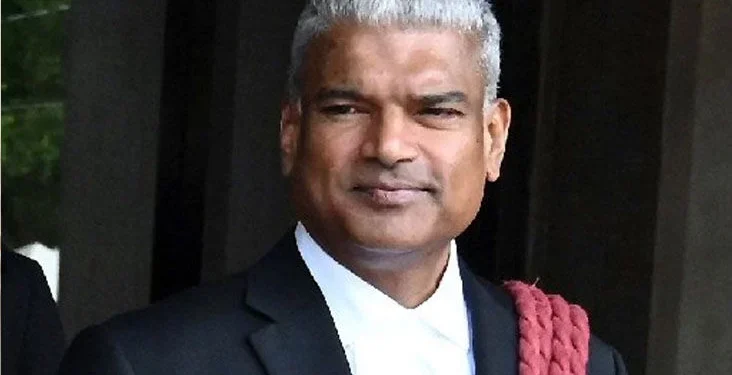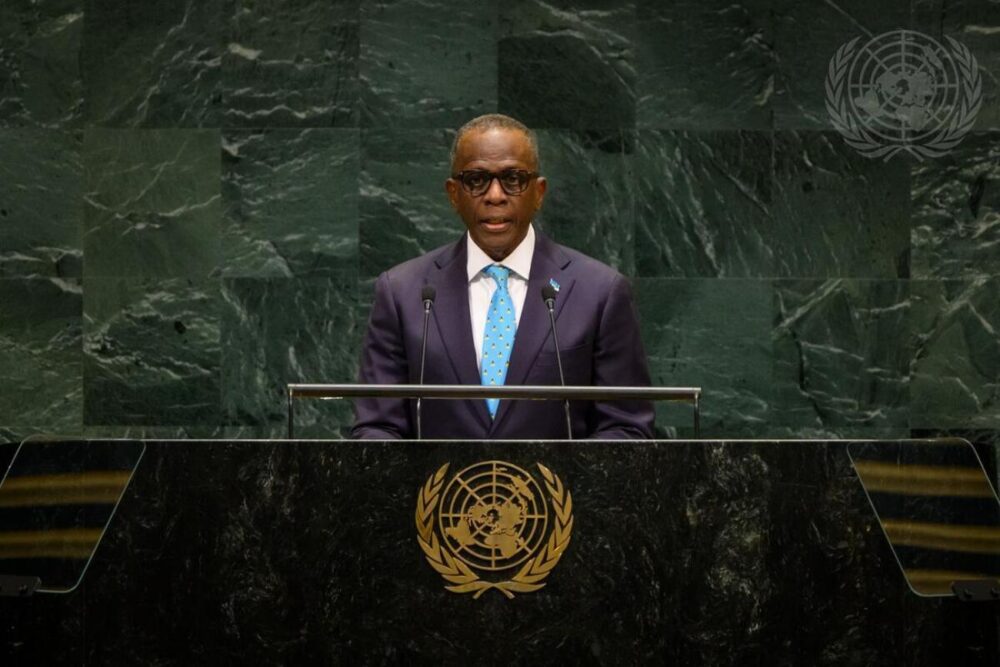
Caribbean Community (CARICOM) Chairman and Saint Lucia Prime Minister Philip J. Pierre has called for a renewed commitment to multilateral cooperation, arguing that global institutions must move beyond expressions of concern and deliver tangible results for vulnerable countries.
Addressing the 81st United Nations General Assembly on September 25, Pierre said rebuilding international trust would require greater fairness, shared responsibility and meaningful action on issues ranging from climate change and financing to Haiti, reparatory justice, artificial intelligence and reform of the UN Security Council.
“The assembly should not be a place where the world expresses sympathy without accepting responsibility,”
Pierre’s intervention placed particular emphasis on the vulnerability of small island developing states, which he said continue to confront the consequences of global problems despite making relatively small contributions to some of them.
Climate Finance
Climate change was a central theme of the address.
Pierre called for expanded climate finance, concessional funding, debt relief and greater support for countries dealing with loss and damage.
“Climate change is not a distant environmental issue. It is a direct threat to national security, economic stability, food and water security, and human survival,”
The UN’s Caribbean office reported that Pierre described climate finance as a matter of justice and responsibility rather than charity, noting that countries such as Saint Lucia repeatedly face the costs of recovering from climate-related disasters while carrying significant debt burdens.
Haiti Remains a Regional Priority
On Haiti, the CARICOM Chairman urged the international community to renew the mandate of the Gang Suppression Force (GSF) and provide the resources required for it to operate effectively.
Pierre stressed that Haiti’s crisis cannot be addressed through security measures alone, arguing that long-term political, social and economic support is also necessary.
He reaffirmed CARICOM’s engagement through its Eminent Persons Group and said international assistance must ultimately improve the daily lives of Haitians.
CARICOM has consistently pressed for sustained international involvement in Haiti, including efforts aimed at restoring security, constitutional order and democratic governance.
Reparatory Justice
Pierre also used the UN platform to reinforce CARICOM’s longstanding campaign for reparatory justice.
“Reparations are not about vengeance. They are about truth, acknowledgement, repair and transformation,”
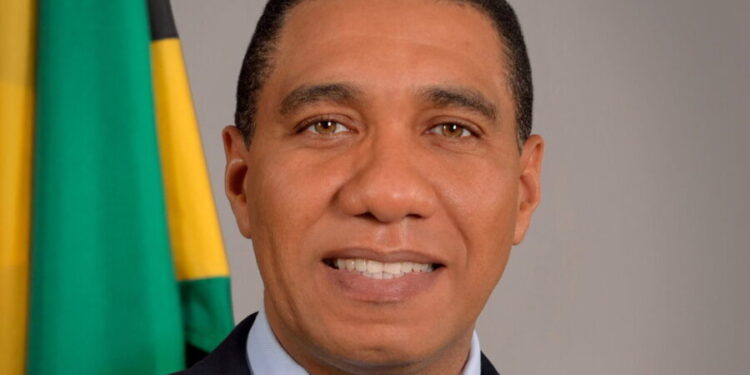
He congratulated Jamaica on its recent petition seeking a referral of questions concerning the legality of the enslavement of Africans in Jamaica to the Judicial Committee of the Privy Council.
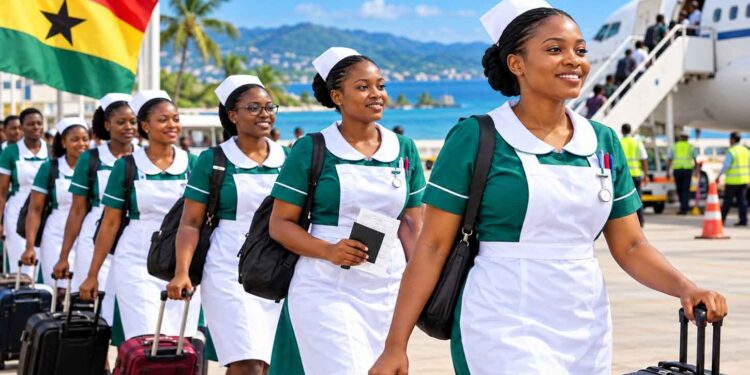
Pierre also commended Ghana for championing a proposed UN declaration concerning the trafficking of enslaved Africans and racialised chattel enslavement of Africans as the gravest crime against humanity.
AI and the Digital Divide
Artificial intelligence was another emerging issue highlighted by the CARICOM Chairman.
Pierre called for strong international standards governing data protection, privacy and cybersecurity, while insisting that small states must have a voice in shaping the rules governing rapidly developing technologies.
“The digital future must be owned not by a few. It must be governed for the benefit of all.”
His concerns echoed wider discussions at the 81st General Assembly about the implications of increasingly powerful AI systems for international security, development and inequality. UN Secretary-General António Guterres has also called for international guardrails around AI while warning against an arms race over the technology.
Security Council Reform
Pierre renewed CARICOM’s call for comprehensive reform of the UN Security Council, including greater representation for Africa, Asia-Pacific and Latin America and the Caribbean.
“A 21st-century United Nations Security Council could have been more successful in its responsibility for international peace and security had it not been anchored in the world of 1944,”
The call comes amid broader debate over whether the UN’s principal body responsible for international peace and security adequately reflects the geopolitical realities of the 21st century.
Pierre’s address formed part of a series of interventions by CARICOM leaders during the General Assembly’s high-level week. Regional governments also raised concerns about the implications of “super intelligence”, the need for international law to be applied consistently, and the continuing economic, commercial and financial embargo against Cuba.
The CARICOM Chairman’s intervention ultimately placed the region’s concerns within a broader argument about the future of multilateralism — that international institutions will retain credibility only if commitments made in global forums translate into practical support for countries and communities facing the greatest vulnerabilities.