The International Labour Organisation is warning governments, employers and workers that technological, economic and environmental transformation is changing the world of work so rapidly that traditional skills systems risk leaving millions of workers behind.
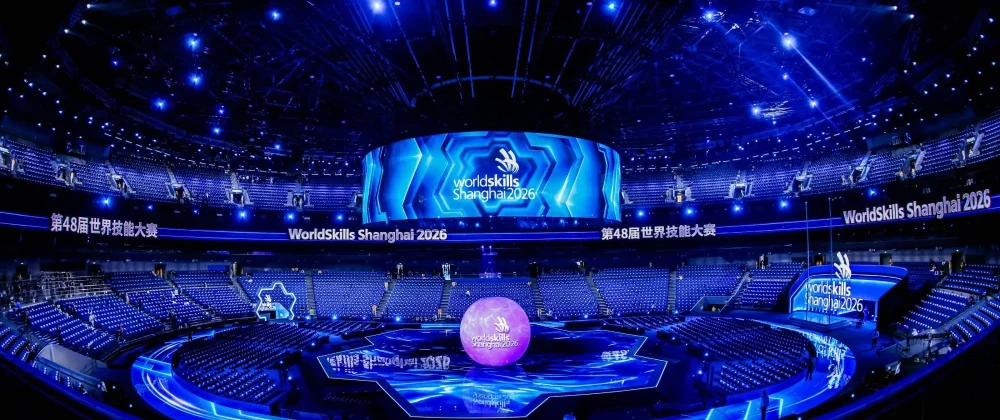
The warning came during WorldSkills Shanghai 2026, held from September 22–27, where the ILO stressed that skills development must keep pace with changing labour markets while ensuring that workers share in the benefits of technological and economic transformation.
ILO Assistant Director-General for Corporate Services Hao Bin said skills systems are fundamental to decent work and social justice.
“Innovation matters as much as ensuring no one is left behind,” he said.
The warning is particularly relevant as employers accelerate the adoption of artificial intelligence, digital technologies and environmentally driven changes in production.
Skills gaps are becoming a labour issue
The ILO says many countries continue to have a “broken link” between education and training systems and the real economy.
Its September guide on next-generation sector skills bodies argues that skills systems must become more responsive to rapidly changing labour markets. The guide draws on experience from more than 20 countries.
The organisation is calling for stronger cooperation among governments, employers and workers to anticipate which skills will be needed before labour shortages become a constraint.
“Employers and workers need a sustained role in shaping skills priorities,” Hao Bin said.
That places social dialogue at the centre of the transformation.
The danger of a two-speed workforce
Workers with access to education, digital tools and continuous training may be able to move into emerging occupations.
Others—particularly workers in insecure employment, smaller enterprises and lower-skilled occupations—can be left behind.
The ILO’s 2026 report on lifelong learning warns that access to structured learning remains unequal, with lower participation among workers with less education, insecure employment and those working in smaller enterprises.
The organisation has also warned that AI is transforming labour markets and that inclusive policies and strong social dialogue are needed to protect those most exposed to technological disruption.
Why Guyana should pay attention
The issue is highly relevant to Guyana, where the economy is undergoing rapid transformation and employers increasingly need technical, digital and specialised skills.
Guyana’s recent expansion of vocational training—from electrical installation and heavy equipment to refrigeration, welding and other technical trades—shows that skills development is already becoming central to the country’s economic strategy.
But the ILO’s warning goes further.
Training cannot be treated as a one-time certificate.
Workers need lifelong learning, recognised qualifications, decent wages, safe workplaces and a voice in decisions affecting their jobs.
The ILO says Sector Skills Bodies can play a critical role in bringing employers, workers and governments together to ensure training investments are aligned with the skills employers actually need.
Guyana and other developing economies face significant implications. Technological change could generate more productive, better-paying jobs, but without targeted investment in workers’ skills, it could also widen existing inequalities and leave many behind.
The ILO’s message from Shanghai is clear. Economic transformation cannot be called successful if the workers who helped build the economy are excluded from its future.