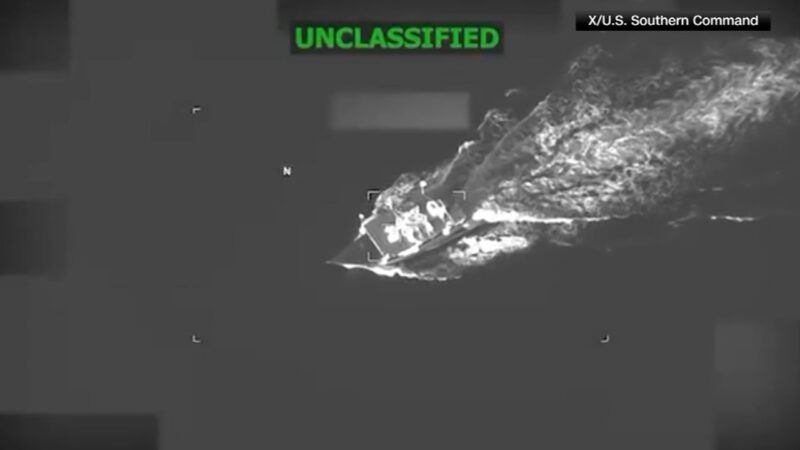
CARIBBEAN SEA — Four people were killed Saturday after U.S. forces struck a vessel suspected of drug trafficking in the Caribbean Sea, the latest in a series of American military operations targeting alleged narcotics-smuggling boats.
U.S. Southern Command said the September 19 operation targeted a “go-fast” vessel operating along established drug-trafficking routes in the Caribbean. Four people aboard were killed.
The strike forms part of the Trump administration’s broader campaign against alleged drug-trafficking networks in Latin America and the Caribbean.
U.S. Says Vessel Was on Trafficking Route
The U.S. military has said the targeted vessels are associated with narcotics trafficking and has defended the operations as part of its campaign against what the administration describes as “narco-terrorists.”
However, reporting on the latest strike notes that the military has not publicly provided direct evidence showing that the particular vessel struck on September 19 was carrying narcotics.
The U.S. government has nevertheless maintained that the boats targeted in the campaign are operating along known trafficking routes.
Saturday’s operation is significant not only because of the four deaths but because it came immediately before a UN human-rights assessment raising questions about the legality of the wider campaign.
UN Raises Legal Questions
A UN special rapporteur said Tuesday that U.S. attacks against suspected drug-trafficking vessels in the Caribbean and eastern Pacific could constitute crimes against humanity.
The UN expert said U.S. forces had carried out 68 such attacks since September 2025, killing at least 223 people.
The UN assessment challenges the U.S. position that the strikes are lawful military operations against drug-trafficking organizations.
The legal dispute centres on whether suspected involvement in narcotics trafficking provides sufficient grounds for lethal military force against people aboard vessels at sea.
The latest strike therefore carries implications beyond the four deaths. It has become part of a wider international debate over counter-narcotics policy, maritime jurisdiction, the use of military force and the protection of the right to life.
The UN findings are not a court judgment establishing criminal responsibility, but they are likely to intensify scrutiny of the U.S. campaign across the Caribbean and the wider region.