By Mark DaCosta- In a shocking revelation regarding our nation’s law enforcement, the current Crime Chief of the Guyana Police Force has allegedly failed a polygraph test administered by the US embassy. This situation, if true, raises significant questions about the integrity of our senior officials and the systemic issues surrounding accountability. Mark Benschop shared this information on his Facebook page, highlighting the troubling apathy among the ruling PPP cabals and their associates, who are reportedly overlooking such serious claims, continuing a pattern of negligence that has become all too familiar in our country.
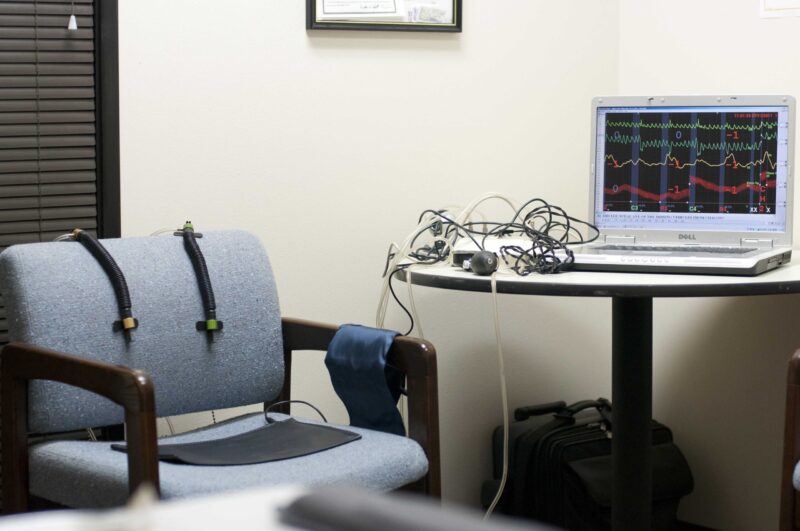
The implications of a high-ranking official failing a polygraph test extend far beyond individual accountability. Typically employed in criminal investigations and employment screening, a polygraph measures physiological responses — such as heart rate, blood pressure, and galvanic skin response — while a subject answers a series of questions. The underlying belief is that deceptive answers will trigger distinct physical reactions that the machine can detect. However, the reliability of such tests remains a subject of debate, with many experts cautioning against their infallibility.
According to an expert source, when a senior official fails this test, it can signal deeper issues within an institution. It may imply potential misconduct, lack of transparency, or even complicity in broader corruption that undermines public trust. In a nation where governance and law enforcement are critically intertwined, such allegations can erode citizens’ faith in the institutions designed to protect them. This situation often leads to heightened scrutiny not just of the individual in question but also of the entire system overseeing them. Again, the expert cautions that the reliability of such tests remains a subject of debate.
This reported failure raises questions about the leadership standards expected of those in positions of power. The reported failure of a Crime Chief to pass a basic credibility assessment calls into question the very ethos of our police force and its ability to uphold the law impartially. It may suggest that there may be individuals in key positions more concerned with preserving their status than ensuring justice and integrity prevail.
Moreover, the apparent inaction by political powers in response to these allegations underscores a troubling culture of silence and complicity. Such a reality creates an environment where accountability is undermined, and citizens are left to wonder who will safeguard their interests in the face of such daunting challenges.
As we reflect on these alleged developments, it is essential for the public to remain vigilant. A strong society demands that its leaders embody integrity and transparency. Allegations like these should spark not only public outrage but also a call for reform, ensuring that our nation’s leadership is held to the highest standards of credibility and service to its people.