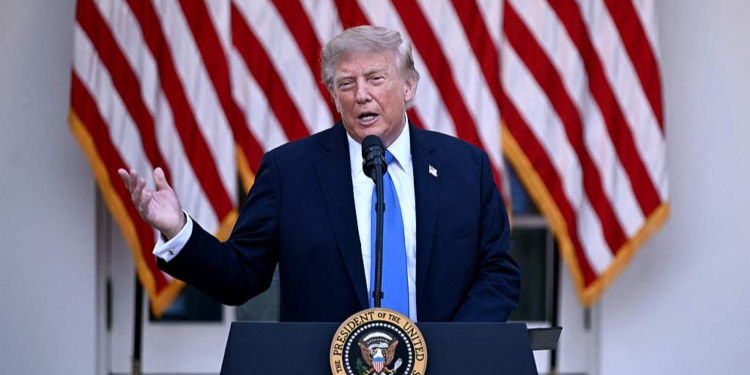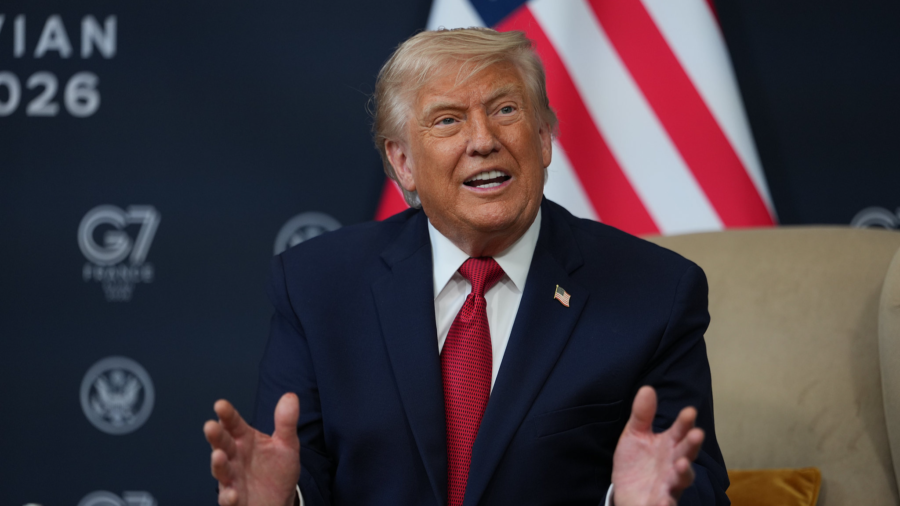
The five major television networks that make up the White House TV pool declined Monday to replace CNN’s camera crew after the Trump administration barred CNN from carrying out its scheduled pool duties, leaving some presidential events without the shared television coverage normally distributed across the news media.
ABC News, CBS News, NBC News, Fox News and CNN said in a joint statement that the public has a vital interest in receiving independent information about the government and that no administration should restrict a news organization because it objects to its reporting. Fox News, which currently chairs the pool, confirmed that no replacement crew would be provided.
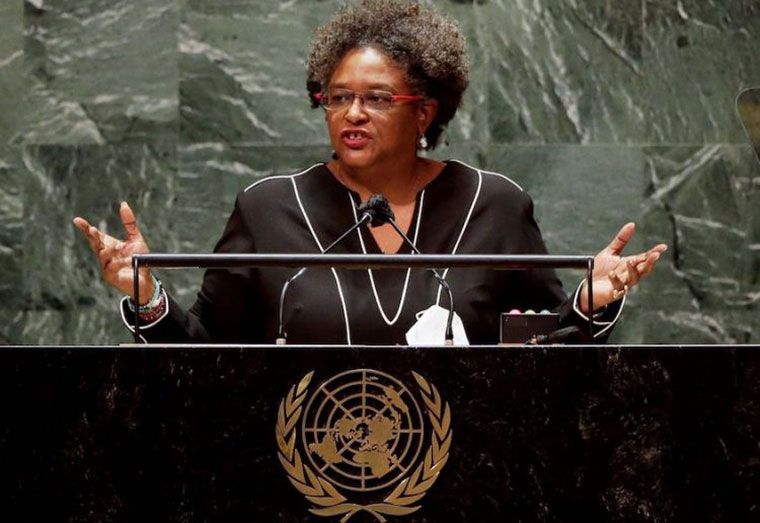
The decision disrupted a longstanding arrangement in which the five networks rotate responsibility for filming presidential events and share the footage with other news organizations. Monday was scheduled to be CNN’s turn to provide the pool feed. President Donald Trump’s trip to New York for the United Nations General Assembly consequently went without the usual pooled television camera coverage.
The move followed Trump’s decision Friday to bar CNN, MS NOW and Politico from the White House. Trump said the organizations were being excluded because of what he described as repeated “fake news” coverage. Reporters for the three outlets were subsequently denied access to the White House grounds and had their credentials confiscated or deactivated.
On Monday, CNN, MS NOW and Politico sued the Trump administration in federal court in Washington, D.C., seeking to restore their access. The organizations argue that the administration violated their First Amendment rights and denied them due process by revoking their access because of their reporting. They are seeking emergency relief while the case proceeds.
The White House has rejected the characterization of the ban as an attack on the press. Trump said Monday that the administration was targeting what he called “fake news,” which he characterized as a national-security threat. Those assertions have not been substantiated in the reporting available so far.
The dispute centers on whether the administration may exclude journalists because of objections to their reporting. The news organizations contend that the government cannot determine what the press may report or publish, while the administration maintains that its action is directed at the outlets’ coverage.
The television pool’s decision not to replace CNN has underscored the wider implications of the dispute. Rather than assign another network to perform CNN’s scheduled duties, the remaining members chose not to provide the customary presidential pool feed.
The dispute now moves to federal court, where the administration’s restrictions will be tested against the outlets’ constitutional claims. The outcome could have broader implications for independent coverage of the presidency and the public’s ability to receive timely information about government.