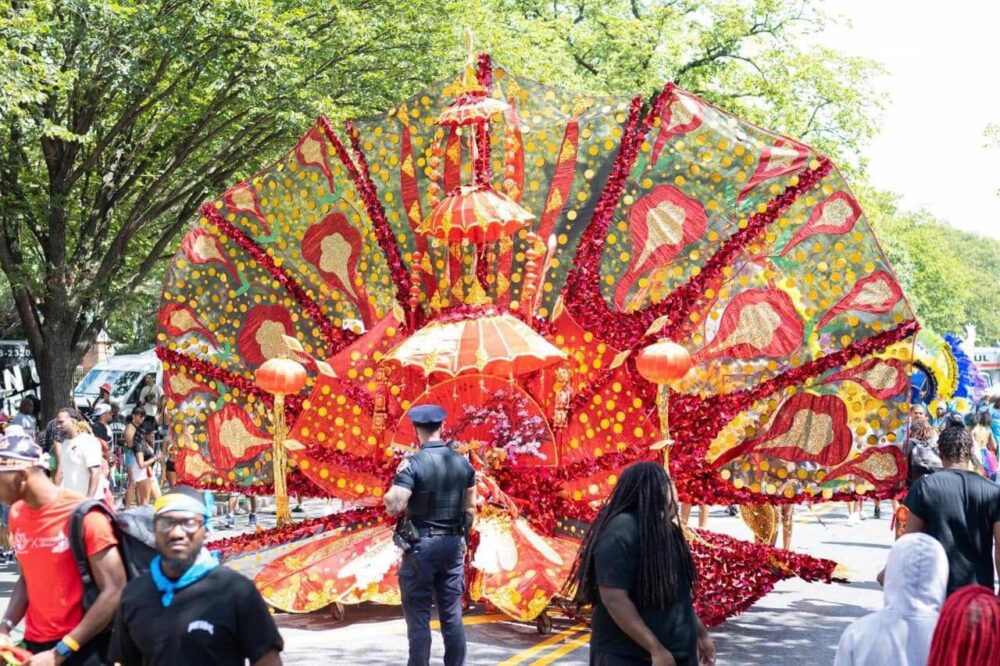
Brooklyn is preparing for one of the largest celebrations of Caribbean culture outside the region as the annual West Indian Day Parade returns to Eastern Parkway on Monday, bringing together communities with roots across the Caribbean, including a large Guyanese diaspora.
Thousands of people are expected to line the Brooklyn route for the parade, the culmination of New York’s Caribbean Carnival celebrations. The event will take place on Labour Day, September 7, with the parade scheduled to begin at 11 a.m. and end at 5:30 p.m.
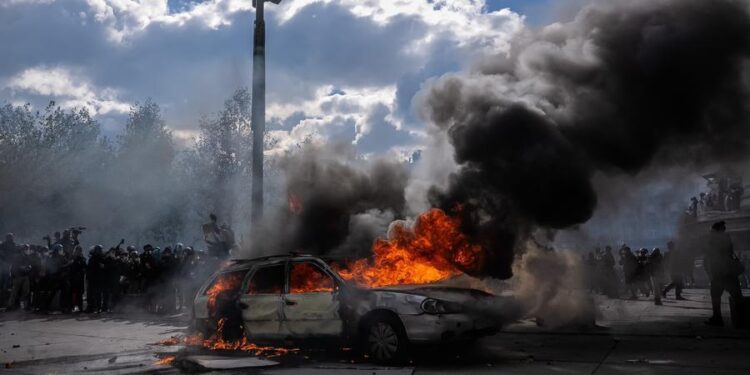
This year’s celebration comes with increased security following concerns about violence associated with the event in previous years. The New York Police Department has announced enhanced security measures, including screening for people entering viewing areas.
The parade will also end 30 minutes earlier than in previous years, with police saying the earlier closing time is intended to reduce violence that has historically occurred near the end of the festivities.
The parade is part of a wider Caribbean Carnival programme that includes J’Ouvert, the pre-dawn celebration traditionally marking the start of Carnival Monday.
J’Ouvert is scheduled to begin at 6 a.m., before the main parade moves along Eastern Parkway through Crown Heights.
For Guyanese in New York, the celebration carries particular significance. New York has one of the largest Guyanese communities outside Guyana, and Labor Day has become an important occasion for maintaining connections to Guyanese and wider Caribbean identity.
The parade brings together people of different Caribbean nationalities, languages, religions and cultural traditions under a shared regional identity.
Costumes, steelpan, soca, calypso, dance and food transform Brooklyn’s streets into a temporary expression of Caribbean life thousands of miles from the region.
But the event is also about migration and belonging. For successive generations of Caribbean immigrants and their children, the parade provides a way of maintaining cultural traditions while expressing their place in New York.
The Caribbean presence in Brooklyn has also produced significant contributions in business, politics, law enforcement, education, medicine, entertainment and the arts.
The security concerns surrounding this year’s parade have nevertheless added another dimension. Police Commissioner Jessica Tisch said the NYPD would have “zero tolerance for violence of any kind,” citing previous shootings around the parade route that endangered members of the public.
Organisers and city officials therefore face the challenge of protecting a major cultural celebration without allowing security concerns to overshadow its purpose.
For Guyanese and other Caribbean communities, Monday’s parade is more than a street procession. It is a public declaration of heritage. And for one day, Eastern Parkway becomes a vivid reminder that the Caribbean identity extends far beyond the islands and mainland territories where the culture originated.