By Mark DaCosta- On the evening of September 3, a significant incident reportedly happened in the vicinity of President Irfaan Ali’s private residence in Leonora, West Coast Demerara, involving opposition leader Azruddin Mohamed, suspected drone activity, and subsequent police investigations.
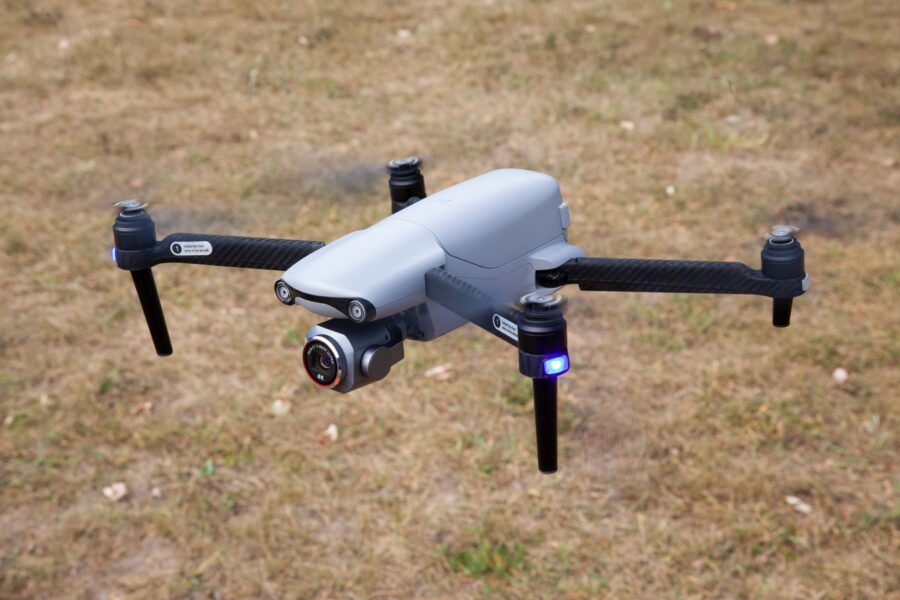
At sunset, a black Toyota Land Cruiser, carrying Mohamed along with his driver and a technician, came under scrutiny following reports of suspicious behaviour. Presidential guards alerted the police after noticing the vehicle’s reported erratic activity. Upon their approach, the occupants reportedly fled the scene, prompting an immediate response from law enforcement. The vehicle was intercepted, leading to the discovery of drone equipment. In the following investigation, police reportedly confirmed the presence of a DJI drone, along with multiple cellular phones.
Despite the situation escalating, Mohamed firmly refuted claims of owning or operating a drone. In a live video message broadcast from the Leonora Police Station, he asserted that the presence of a drone in the area was impossible due to restrictions inherent to the presidential estate. His denial was supported by the understanding that the Leonora area is classified as a no-fly zone, effectively prohibiting the operation of drones.
While Mohamed was released from custody, technician Dwayne Ross remains in police detention after he reportedly admitted ownership of the drone found in the vehicle. In his statement to police, Ross revealed that his drone licence had expired earlier this year, but he maintained that he possessed a valid operational certificate. The driver, Eugene Thorne, stated that the trio had been inspecting sea defence work rather than gathering intelligence on the President’s estate, and he categorically denied witnessing any drone usage.
As investigations continued, police also questioned another individual related to the incident, Mario Mohamed, who had arrived at the scene while returning from a different location. Although he provided minimal cooperation, his involvement largely hinged on his connection to the opposition leader.
In a strong reiteration of drone regulations, the Guyana Civil Aviation Authority (GCAA) released a statement condemning unauthorised drone operations, particularly in areas designated as restricted airspace. They highlighted the legal implications of such actions under the Civil Aviation Act 2018, which applies strict penalties for non-compliance.
The day’s events indicate the serious nature of security concerns in and around the President’s private home. With the GCAA calling for accountability and adherence to aviation regulations, officials emphasised the need for the public to observe safety protocols regarding drone use.
The polarised political climate surrounding these events cannot be ignored. The arrest of an opposition leader and associates against the backdrop of a sensitive security environment raises questions regarding governmental oversight. Many in our nation are wary of the implications of such incidents, fearing they may serve as a tool for political manoeuvring rather than a genuine effort to maintain safety and security.
In his video address, Mohamed highlighted the broader context, alleging that he was in the area to observe ongoing works related to sea defence and what he termed as rampant corruption linked to these activities. The timing of events has led to speculation regarding possible politically motivated actions against him and his team.
The evolving narrative around this event is emblematic of larger issues at play in our society. As citizens, we are tasked with following these developments closely, understanding the implications they carry for political engagement and public safety in the months to come.