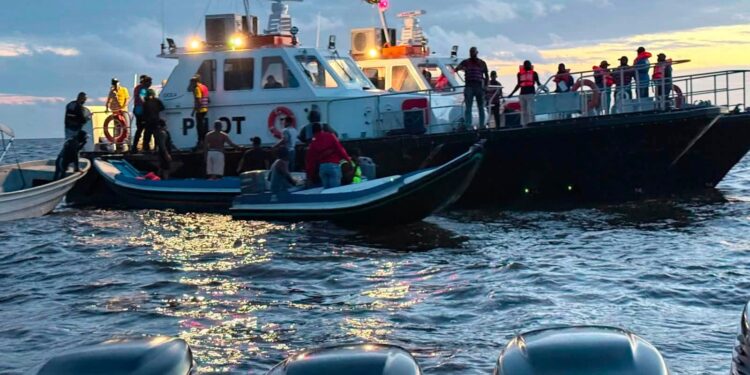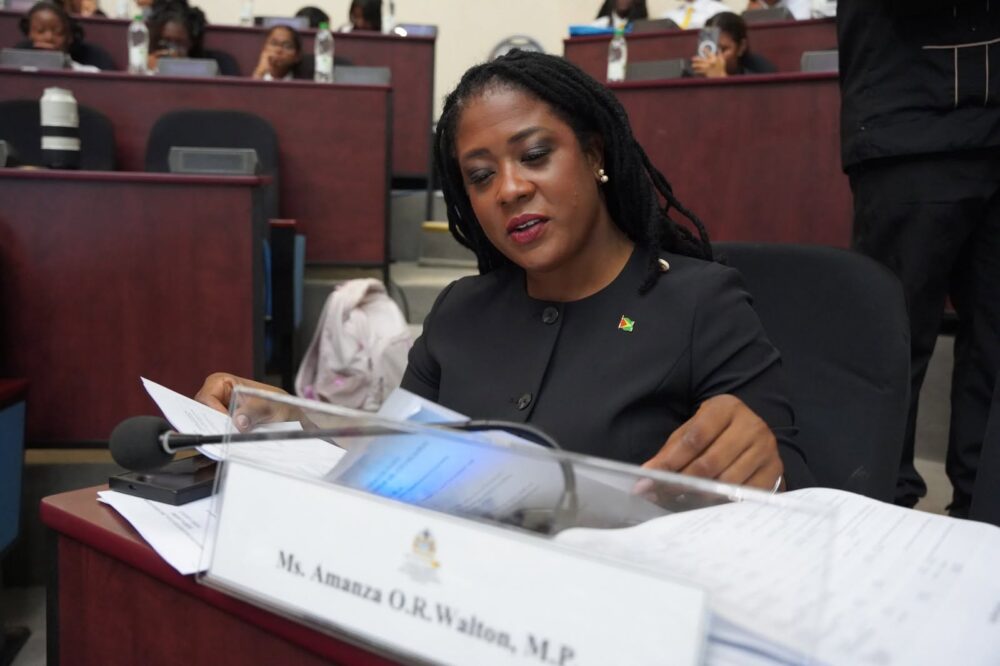
By Mark DaCosta- Amanza Walton-Desir, leader of the Forward Guyana Movement, has expressed significant concern regarding the ongoing Commission of Inquiry (COI) into the MV Barima tragedy. More than a month after the five-member Commission of Inquiry was sworn in on July 30, and weeks after President Irfaan Ali announced its establishment, families of those killed in the MV Barima disaster are still awaiting substantive information on the inquiry’s proceedings.
In a statement dated September 3, Walton-Desir underscored a lack of public hearings, procedural guidelines, and meaningful engagement with those affected by this tragic incident, highlighting the government’s insufficient response during a time of mourning.
Despite a recent update from the Commission that provided some details, it fell short of what the grieving families require. Walton-Desir welcomed the newfound transparency but cautioned that the information must be rigorously scrutinised. “It must now be examined on its substance,” she stated, drawing attention to the need for thorough investigation to ensure that the complexities of the tragedy are adequately addressed.
One major concern stems from the Commission’s assertion regarding a “preliminary, in-person survey of the site of the accident.” Walton-Desir pointedly questioned the specifics of this exercise, demanding answers about who conducted the survey, the expertise they brought, and the methodology employed. “Who went? What did they do? What technical expertise did they take with them?” she queried, indicating that without these details, the public is left guessing the validity of the Commission’s claims.
Moreover, the role of the Maritime Administration Department (MARAD) raises further issues. Walton-Desir insisted on transparency surrounding MARAD’s involvement, particularly concerning evidence handling and the integrity of investigative protocols. “MARAD’s regulatory performance may itself fall to be examined by the Inquiry,” she warned, indicating that any involvement it had must be disclosed to maintain trust in the investigatory process.
The inquiry must take decisive steps beyond vague assertions regarding procedures. Walton-Desir particularly highlighted the need for clarity regarding the wreck of the MV Barima. She demanded answers about efforts to salvage the vessel and recover any remains associated with the tragedy. “The Government must answer those questions,” she stated emphatically, emphasising the intrinsic link between the integrity of the inquiry and the respect owed to the lives lost.
The gravity of this maritime disaster, described as “the gravest maritime tragedy in our history,” necessitates a thorough investigation. “We do not require the work of a technical inquiry to be reduced to reassuring phrases,” Walton-Desir emphasised. She called upon the expertise of those well-versed in maritime affairs, emphasising the expectation for detailed investigation processes fitting with the gravity of the incident.
While the General Notice inviting individuals with information to participate marks progress, Walton-Desir insisted on the urgent need for established Rules of Procedure. This would ensure those directly affected are fully informed on how the Commission will gather information and conduct hearings. “The Rules of Procedure must now be published promptly,” she stated, reiterating the necessity of transparent communication.
As the Commission aims to commence its activities later this month, Walton-Desir is adamant that a concrete timeline is established. She stressed the importance of a public schedule and an accessible website detailing the Commission’s operations. “The Commission is entitled to a reasonable time to undertake serious work,” she acknowledged. However, she also highlighted the critical need for the families and the public to remain informed about the progress and quality of that work.
The insistence on truth, dignity, and answers resonates throughout Walton-Desir’s statement. “We will continue to insist upon all three,” she proclaimed, echoing a broader sentiment within our nation that seeks justice amidst a political climate often characterised by ambiguity and disregard for the voices of its citizens. In this time of grief, it is essential that the inquiry not only addresses the questions raised but also restores faith in the processes designed to protect the interests of the people.