Freedom did not come with a house. It did not come with a farm, a bank account, a pension or a piece of land. When full emancipation came in British Guiana on August 1, 1838, thousands of Africans emerged from generations of enslavement legally free but without the material foundations needed to make freedom secure. The plantations remained largely in the hands of the former owners. The wealth accumulated through African labour remained concentrated elsewhere.
In Berbice, formerly enslaved Africans made a remarkable decision: they would buy the land. They pooled savings. They sacrificed. They negotiated. They purchased former plantations and transformed them into independent communities—with homes, farms, churches, schools and local economies.
The African Village Movement was not merely a search for somewhere to live. It was an economic revolt against dependence and a declaration that freedom had to mean more than the removal of chains.
They Bought What They Had Once Been Forced to Work
The distinction between emancipation and the earlier 1834 abolition of slavery is crucial. Slavery was legally abolished in 1834, but formerly enslaved people entered apprenticeship before full emancipation on August 1, 1838.
The major wave of African village purchases followed emancipation, beginning with the celebrated purchase of Northbrook, later Victoria, in November 1839.
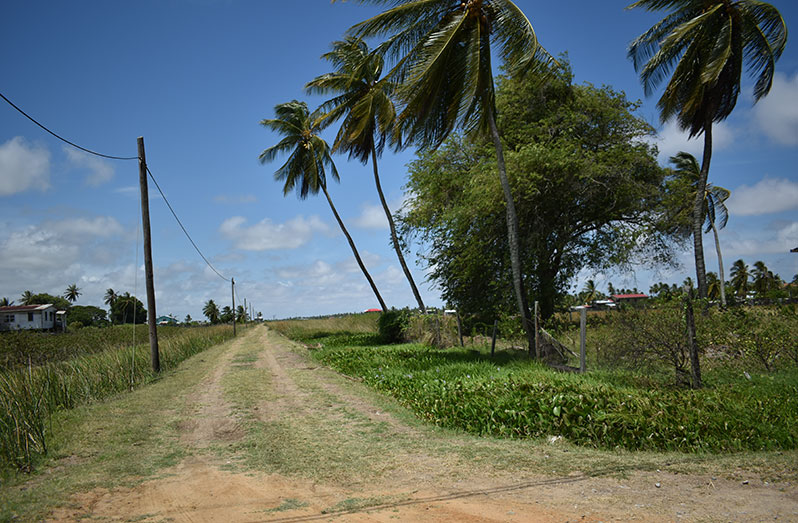
In West Coast Berbice, the movement was already producing extraordinary results by 1840.
At Golden Grove, 14 labourers purchased 500 acres for $1,716.
At St. John, 46 labourers acquired 252 acres for $5,000.
At Perseverance, 109 labourers purchased the eastern half of the plantation—250 acres—for $2,000.
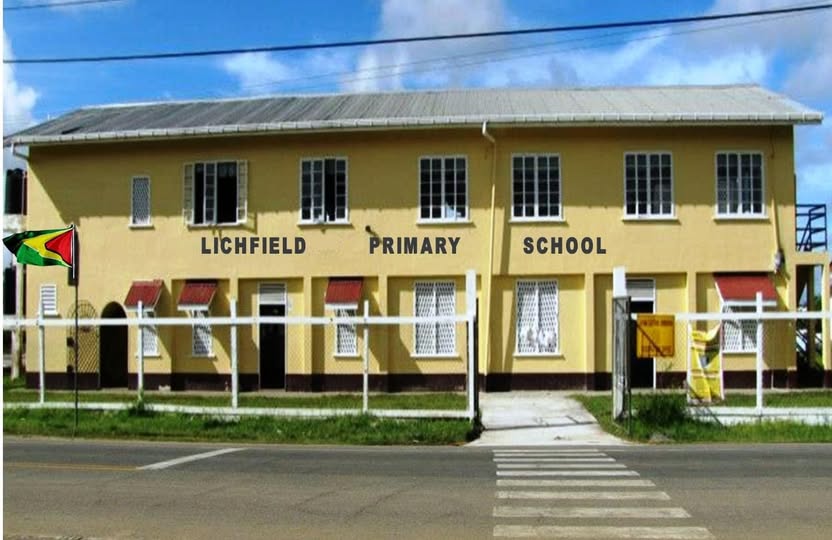
Then came Litchfield, one of the most compelling examples of African enterprise.
Formerly enslaved African Cudjoe (Kojo) McPherson purchased the 500-acre plantation for $3,000. He subsequently divided the property into 12 shares and sold them to other Africans. McPherson was not simply acquiring land for himself. He was creating a pathway for others to become landowners. A man born into a system designed to deny Africans ownership had become a substantial landowner and entrepreneur. The enslaved had become the owner.
Gibraltar: Twenty People Bet on Their Future
Further east, the story became even more striking.
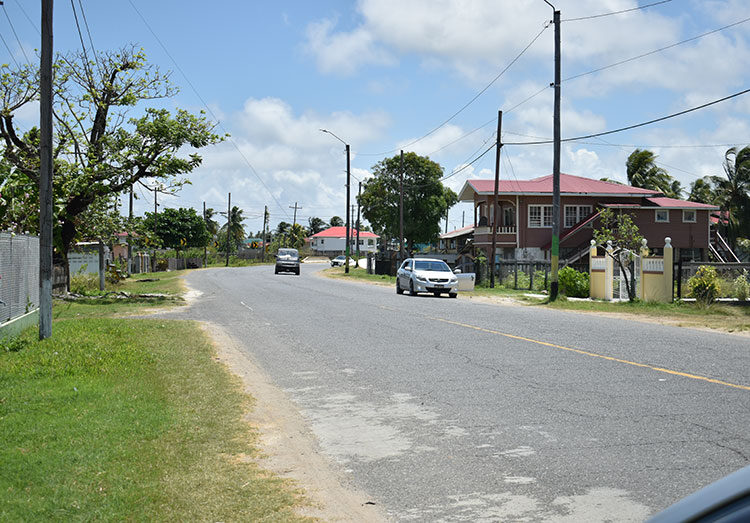
On the Corentyne, 20 freed Africans purchased approximately 500 acres at Gibraltar for $4,383, only about four years after emancipation.
The numbers tell only part of the story. These were not wealthy investors inheriting capital. They were people emerging from slavery who had been denied property for generations. Their purchasing power came from savings, labour, discipline and collective determination.
Gibraltar would become part of a productive agricultural belt along the Corentyne. Communities such as Gibraltar, Fyrish, Leeds and Union became associated with the cultivation of ground provisions, fruits and coconuts.
The achievement was so significant that planting material from communities including Gibraltar and Leeds was later used in the development of the Black Bush Polder.
What began as an attempt by freed Africans to secure their independence ultimately contributed to Guyana’s wider agricultural development.
Former President David Granger has highlighted the scale of the achievement, noting that freed Africans acquired approximately 15,000 acres for cash during the decade after emancipation.
That was not simply land acquisition.
It was capital formation by people who had been deliberately excluded from wealth.
Cudjoe McPherson: From Enslavement to Landowner and Village Builder
The story of Cudjoe McPherson gives the Berbice Village Movement a particularly powerful human face.
His involvement did not end with Litchfield. On January 10, 1850, McPherson and Jessy Cameron purchased Kingelly and Phoenix on the West Coast of Berbice from Bishop Eastmond Foderingham. Cameron eventually received Phoenix, while McPherson retained Kingelly. A transport issued in 1851 recorded the ownership. Kingelly is important because it demonstrates that African land acquisition did not end with the first wave of purchases around 1839–1840.
It continued. In 1868, McPherson commissioned surveyor William Chalmers to survey Kingelly. The southern side of the public road was divided into 32 lots, which were assigned to 32 people, while McPherson retained the land on the northern side.
There are conflicting accounts of the precise date of the Kingelly acquisition, with some later reporting associating McPherson with the property in 1868. The stronger documentary account, however, identifies the 1850/1851 transaction, while 1868 relates to the subsequent surveying and subdivision. That distinction matters. Kingelly shows the evolution of African landownership—from collective purchases to individual enterprise, investment and community development.
They Were Building More Than Villages
Across Berbice, these communities became the foundations upon which families could rebuild their lives. They built homes. They established churches. They created schools. They cultivated farms. They raised children. They developed local economies.
Other communities associated with the early Berbice movement included Fyrish on the Corentyne, Three Sisters on the Berbice River, and Zuid Holland, Plegt Anker and Zuid Aan Vleyt on the Canje. There were also smaller individual acquisitions. Former apprentices purchased plots at Sisters and Cumberland on the Canje and Eliza and Mary at Skeldon.
These arrangements differed from the large communal plantation purchases, demonstrating that African landownership took several forms—collective, proprietary and individual. But the objective was remarkably similar: to transform freedom into an independent way of life.
The Hard-Hitting Legacy of the Village Movement
The plantations had been built to extract wealth from African labour. The villages changed the meaning of that landscape.
Where there had been plantations, there were communities. Where there had been forced labour, there were farms. Where families had endured separation, there were homes. Where education had been denied, there were schools. Where Africans had been controlled, there were institutions they could help shape. And where ownership had once been forbidden, there were African landowners holding property.
This is why the Village Movement must be remembered as one of the most extraordinary acts of economic self-determination in Guyana’s history. The freed Africans of Berbice did not wait for someone else to secure their future. They bought it. They bought it with savings accumulated under brutal circumstances. They bought it through sacrifice and cooperation. They bought plantations and transformed them into communities.
Their inheritance is therefore larger than the acreage recorded in colonial documents. It is the enduring principle that political freedom without an economic foundation remains vulnerable.
The names remain: Golden Grove, St. John, Perseverance, Lichfield, Kingelly, Phoenix, Gibraltar, Fyrish, Three Sisters, Zuid Holland, Plegt Anker and Zuid Aan Vleyt, alongside the many smaller purchases and settlements. They stand as evidence of what formerly enslaved people accomplished when they gained even a measure of control over their own labour and resources.
And their story leaves a difficult question for the present: If people who had just emerged from slavery could save, organize, purchase hundreds of acres and build communities, what can a generation inheriting that legacy build today?
The Village Movement was born from poverty, exclusion and injustice. But it produced something slavery could never permanently destroy: a people determined to own, build, educate, farm, organize and leave something behind. They did not simply receive freedom. They put freedom on the land.