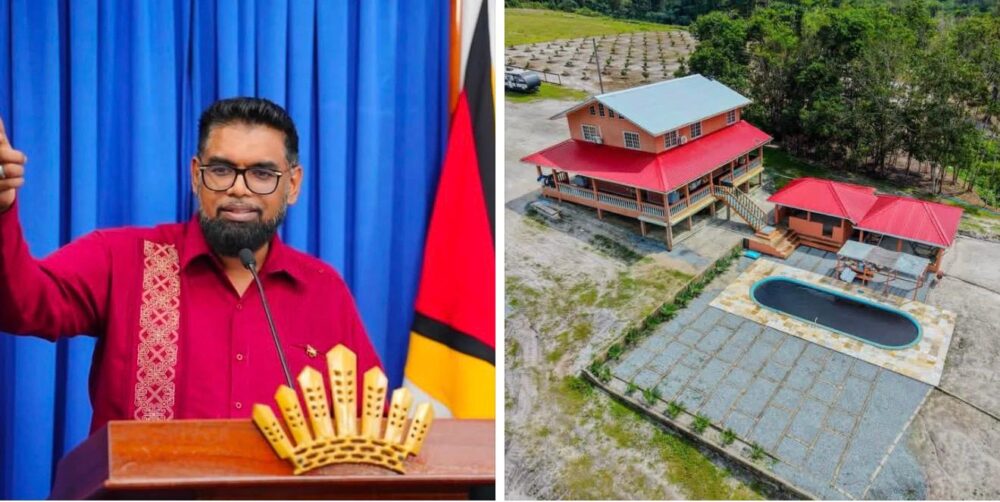
More than six weeks after President Irfaan Ali promised to take the media and public on a live visit to his farm at Long Creek, the tour remains without a date, leaving unanswered questions surrounding a property that has become the focus of intense public scrutiny.
Ali made the commitment in July after Opposition Leader Azruddin Mohamed publicly questioned the scale, development and financing of the farm. The President rejected the allegations and said the property and his investments were legitimate and properly disclosed.
On July 9, the Department of Public Information reported Ali’s response to the controversy, including his assertion that the farm was already public knowledge and had been developed through legitimate means.
The President had also indicated that he would give the public an opportunity to see the operation firsthand.
“We will go to the farm live,” Ali said, promising a public look at the agricultural enterprise.
That promise has yet to materialise publicly.
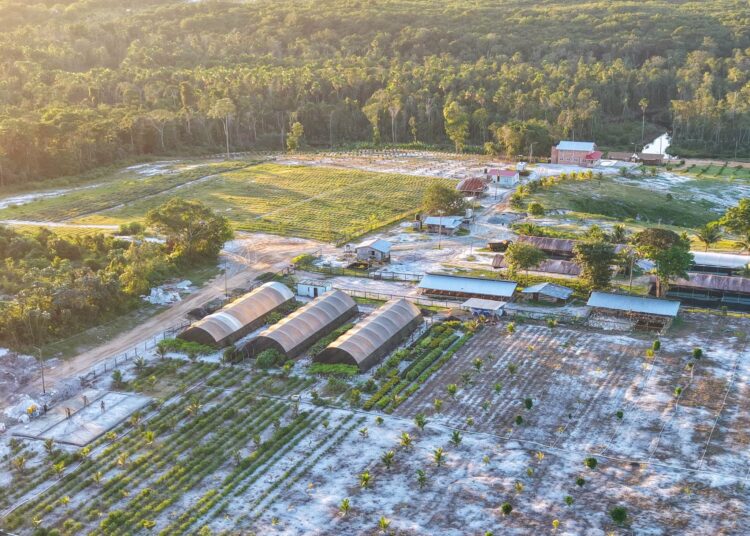
On August 18, when reporters again questioned him about the farm, Ali reiterated that he would eventually present it to the public, but did not provide a date.
“I have nothing to hide,” Ali told reporters, adding that the presentation would take place “at the appropriate time.”
The Government has maintained that Ali’s farm was acquired before he became president, that its development was financed through banking arrangements and loans, and that the relevant information has been submitted to the Integrity Commission.
Those assertions, however, do not answer the narrower question raised by the President’s own undertaking — when will the promised public presentation take place?
The controversy began in earnest in early July after Mohamed released a video alleging that Ali’s private agricultural estate had developed rapidly and questioned whether its scale and infrastructure could be explained by the President’s official income. Those allegations remain claims and have been rejected by Ali.
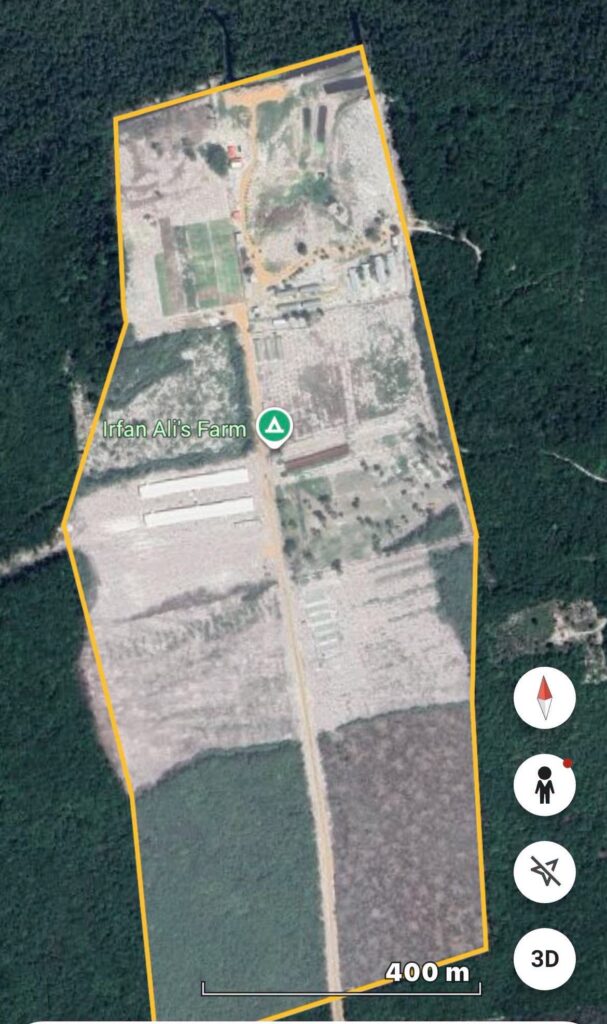
The President has said the farm is not a newly discovered property and has insisted that his investments are transparent.
“My farm is not a discovery. It is public information,” Ali said on July 9.
But public scrutiny has continued precisely because the promised live visit has not happened.
There is no suggestion that Ali is legally required to open his private property to journalists or the public. Nor does the absence of a farm tour, by itself, establish wrongdoing.
The issue is one of political accountability and consistency. Once the President voluntarily offered a live presentation as a way of allowing Guyanese to see the operation and address misinformation, it created a reasonable public expectation that the undertaking would be honoured.
More than six weeks later, that expectation remains unresolved.
The distinction is also important between the President visiting or working at his farm privately and the specific commitment he made — a live public presentation of the operation.
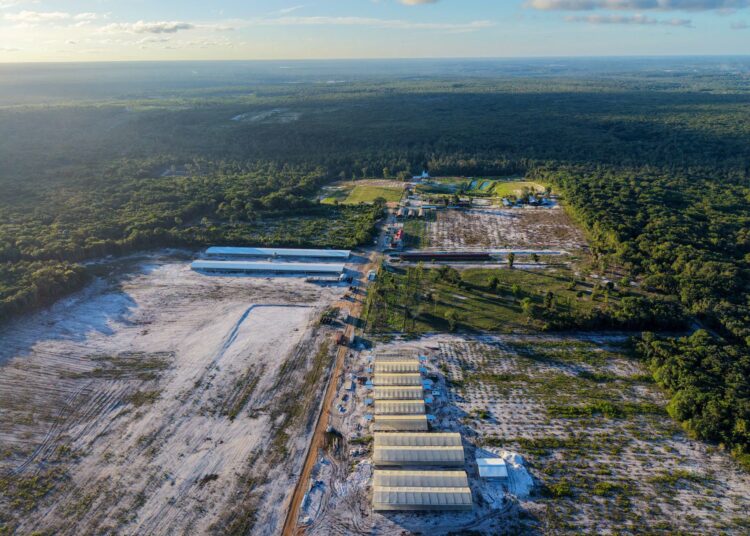
No publicly documented account has established that the promised tour has taken place.
That leaves the controversy hanging over the administration at a time when the President is also urging Guyanese to judge his Government by its record and delivery.
On July 5, while addressing Guyanese in Saint Lucia, Ali said: “This is a government you can trust. This is a government that continues to work alongside you. This is a government that has demonstrated respect for you.”
Trust, however, is strengthened by follow-through.
The simplest way to end speculation about the farm would be to do precisely what Ali promised — take the media there, show the operation, explain what is being produced and answer the questions publicly.
Until then, his assurance that he has “nothing to hide” remains accompanied by another phrase that has now become familiar: “at the appropriate time.”
And the public is still waiting for that time to arrive.