The A Partnership for National Unity (APNU) on Friday used the national grief surrounding the MV Barima disaster to mount a sweeping indictment of the Government’s legislative agenda, arguing that three flagship bills before Parliament reflect the same concentration of power, weak oversight and lack of accountability that, in its view, contributed to Guyana’s deadliest maritime tragedy.
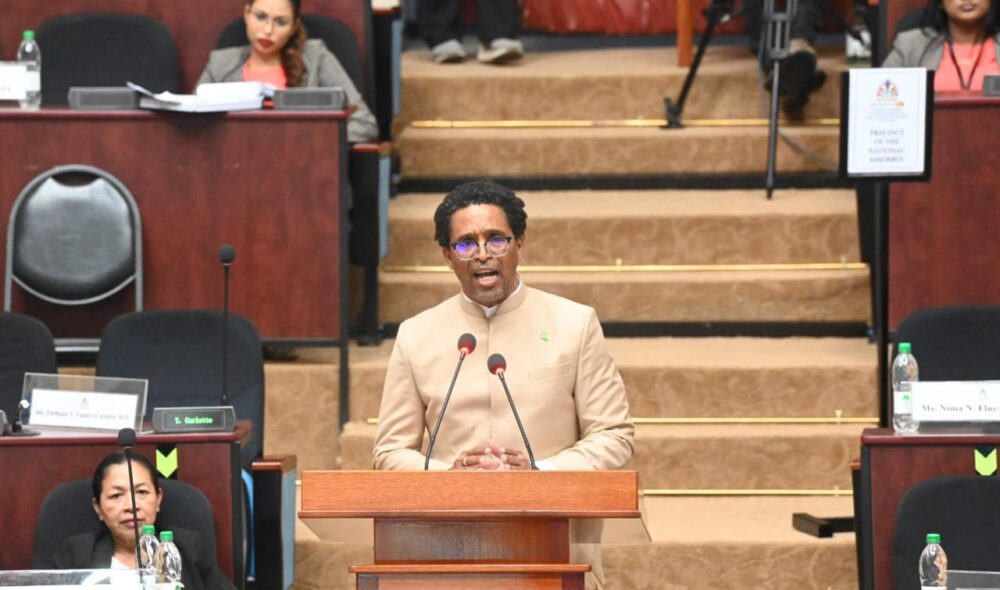
Presenting the coalition’s position at a press conference on July 24, APNU Lead Parliamentarian Dr. Terrence Campbell said the Opposition’s objections extend beyond the substance of individual bills to what it described as an entrenched pattern of governance that places excessive authority in ministers while weakening institutional safeguards.
The statement came as public scrutiny continues to intensify over the sinking of the 87-year-old MV Barima, which claimed more than 100 lives after capsizing off the Pomeroon coast on July 18. The disaster has triggered demands for ministerial accountability, independent investigations and reforms to Guyana’s maritime oversight system.
With those concerns mounting, APNU argued that Parliament cannot ignore legislation that, it says, would further centralise authority in the Executive.
Development Bank
While supporting the establishment of a national development bank, APNU warned that the proposed legislation gives the Government disproportionate control over an institution expected to manage hundreds of millions of dollars in public financing.
The Government has announced that the bank will be capitalised with US$100 million, providing interest-free loans and business support to entrepreneurs, farmers, women, youth and persons with disabilities.
APNU said Guyanese desperately need affordable financing and technical assistance, but cautioned that the bank’s governance model creates “an unacceptable risk” that lending decisions, appointments and contracts could become political rather than developmental.
The coalition said recent events surrounding the MV Barima reinforced those concerns.
“The obfuscation, lack of professionalism and dissonance from the Public Works Ministers responsible for the MV Barima tragedy are a perfect example of the concerns we have,” Campbell stated.
Rather than creating an independent financial institution, APNU warned the bill risks producing “a political welfare agency or a slush fund for rewarding supporters.”
The coalition is demanding the legislation be referred to a parliamentary Select Committee and amended to include Opposition representation on the Board, mandatory professional qualifications for the Chief Executive Officer, shared authority over major financial decisions, stronger parliamentary oversight, priority access for Guyanese citizens, statutory protection against political interference, and criminal penalties for officials who manipulate lending decisions.
Sex Offences Bill
APNU also criticised the Government’s handling of the Sexual Offences (Amendment) Bill, arguing that legislation affecting child protection and public safety should never have been advanced without broad public consultation.
Although the coalition supports stronger sexual offences laws and the creation of an effective sex offender registry, it said the Government initially proposed a registry that would not generally be accessible to the public while failing to demonstrate meaningful consultation with stakeholders.
Only after sustained objections from civil society organisations and the Parliamentary Opposition was the bill referred to a Select Committee.
For APNU, that retreat exposed deficiencies in the Government’s legislative process.
The coalition continues to demand documented public consultations, disclosure of the organisations consulted, bipartisan parliamentary scrutiny, participation by child protection and women’s rights groups, clear rules governing access to the registry, and legislation that places “public safety above ministerial convenience.”
Former Presidents’ Benefits
The coalition reserved some of its strongest criticism for amendments to the Former Presidents (Benefits and Other Facilities) Bill, which seek to repeal restrictions introduced by the APNU+AFC administration and restore broader taxpayer-funded benefits.
The proposed legislation would effectively return Guyana to the more expansive 2009 benefits framework, removing statutory limits on expenditures for utilities, transportation, staffing, security, medical care and other facilities provided to former Heads of State.
The proposal has already generated public controversy, particularly amid heightened scrutiny of public spending following recent revelations concerning President Irfaan Ali’s agricultural operations and continuing concerns over the cost of living.
While APNU said former presidents deserve benefits reflecting the dignity of the office, it argued those benefits must remain transparent, proportionate and subject to enforceable financial limits.
The coalition described any return to broadly uncapped benefits as indefensible while many Guyanese continue struggling with rising food prices, stagnant wages, inadequate public services, housing shortages and persistent poverty.
A Broader Critique
Rather than treating the three bills as isolated pieces of legislation, APNU framed them as evidence of a governing philosophy that concentrates authority, weakens institutional checks and reduces public confidence in Government decision-making.
“The people of Guyana deserve a government that values human life, accepts responsibility and places the public interest above political self-preservation,” Campbell said.
APNU argued that the three bills reflect the same governance culture exposed by the MV Barima disaster—one that centralises authority, weakens oversight and erodes public confidence. The coalition contends that unless Parliament strengthens accountability and institutional independence, Guyana risks repeating the very failures now under intense public scrutiny following the country’s deadliest maritime disaster.