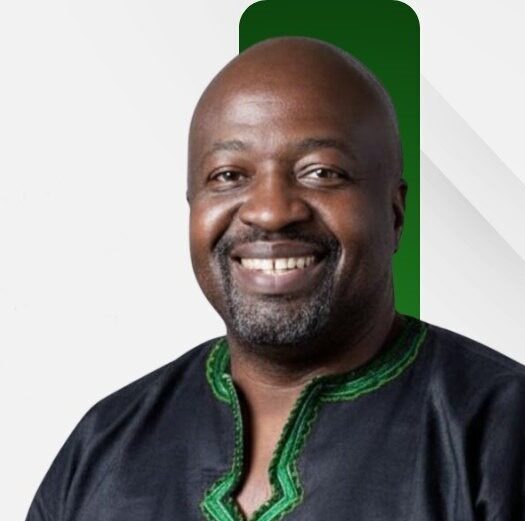
Co-leader of the Working People’s Alliance (WPA) and A Partnership for National Unity (APNU) Member of Parliament Dr. David Hinds has delivered one of the strongest political rebukes yet of the People’s Progressive Party/Civic (PPP/C) government, declaring that the MV Barima disaster was not simply a maritime accident but the deadly consequence of years of state neglect.
Speaking during two emotionally charged episodes of his online programme, Politics 101, Hinds argued that the lives lost aboard the 87-year-old ferry were the result of successive failures to provide safe transportation to the people of Region One. He urged Guyanese to hold the government politically accountable.
“They killed those people. They murdered those people…The greatest tribute we can give to those whose lives have been snuffed out is to begin abandoning this ship called the PPP.”
The MV Barima capsized on the night of July 18 while travelling from Georgetown to Port Kaituma, turning what should have been a routine voyage into one of the darkest maritime disasters in Guyana’s history. Authorities now believe about 179 people were aboard the vessel—far more than originally reported on the official passenger manifest. The tragedy has claimed dozens of lives and sparked growing calls for accountability over the government’s management of the country’s ageing ferry fleet.
The disaster has also revived scrutiny of a 2023 promise by Public Works Minister Juan Edghill that a replacement vessel for the North West route was on its way to Guyana. Three years later, the promised ferry had not arrived before the 1939-built MV Barima sank.
For Hinds, the disaster laid bare what he described as the government’s misplaced development priorities.
“You are talking about development because rich people are building big houses and highways, but people are being transported in a 90-year-old boat that has to go out to sea. That is not development.”
He argued that warning signs had existed long before the tragedy, pointing to reports of previous mechanical problems and persistent complaints from North West residents about the condition of the ferry.
“This was coming. The government doesn’t care.”
Hinds said thousands of residents in Region One were effectively trapped by economics, forced to travel aboard the ageing ferry because flying was beyond their financial reach.
“The plane is about $50,000. The ferry is about $3,000. The minimum wage is about $100,000. What choice do they have? They have no choice but to travel on that ferry.”
He questioned why Guyana’s unprecedented oil revenues had not translated into modern transportation infrastructure for hinterland communities.
“What about a road? What about modern ferries? You don’t wait until people die before you act.”
The opposition parliamentarian accused the administration of celebrating visible infrastructure projects while failing to protect the lives of ordinary Guyanese.
“No amount of highways and shiny bridges can replace the responsibility of protecting people’s lives. It is not what you do after people die. It is what you do to prevent these senseless tragedies.”
According to Hinds, the sinking of the MV Barima exposed a much deeper governance failure.
“The test of a country is how it deals with tragedy. Time and time again we fail that test because we keep lying to ourselves.”
He warned that similar disasters would continue unless the safety and welfare of citizens became a national priority rather than a political afterthought.
Calling for sustained public action, Hinds urged Guyanese to exercise their constitutional rights through peaceful resistance.
“It is time to make this country ungovernable. The right to resistance is our constitutional right.”
He immediately clarified that his remarks were not a call to violence.
“There are ways we can protest and resist without killing each other. I don’t want Guyanese killing Guyanese.”
Ending on a sombre note, Hinds offered condolences to those grieving and support for survivors struggling with the trauma of the disaster.
“My prayers are with those who’ve lost loved ones. We stand with those who survived because they now have to live with the trauma.”
His remarks add to growing political pressure on the government as opposition parties, civil society organisations and families of victims continue demanding an independent investigation into the decisions that left the 87-year-old MV Barima in service until one of Guyana’s deadliest maritime tragedies unfolded.