Former Georgetown Mayor and Hindu leader Pandit Ubraj Narine has condemned the deaths of pregnant Brazilian heifers imported into Guyana, describing the incident as a moral failure, a violation of Hindu teachings, and evidence of what he called the People’s Progressive Party/Civic (PPP/C) Government’s “absence of compassion and humanity.”
Narine’s statement comes amid mounting public scrutiny over the Government’s National Herd Expansion Programme, under which 1,000 pregnant heifers are being imported from Brazil to strengthen Guyana’s beef and dairy industries. The first shipment of 300 pregnant heifers arrived in Guyana on July 12 and was transported from Lethem to the Guyana Livestock Development Authority’s (GLDA) breeding facility at Ebini. The Ministry of Agriculture had said the animals underwent veterinary inspections, testing and quarantine before export and would remain under veterinary supervision after arrival. The information has not been independently verified.

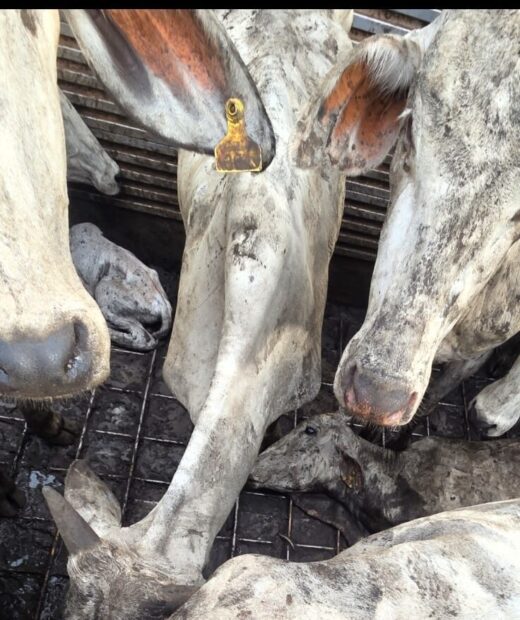
However, the programme has since become embroiled in controversy following reports that at least 15 pregnant heifers have died, including some while giving birth, resulting in the loss of unborn calves and millions of dollars in livestock. The deaths have prompted widespread calls for an independent investigation into the transport conditions, veterinary oversight and management of the importation, amid concerns that the losses may have been preventable.
In a statement issued from what he described as “a Hindu perspective,” Narine said the suffering of the animals should never have occurred.
“As a Hindu, I strongly condemn the needless suffering and death of pregnant cows under the watch of the PPP Government,” he said.
He explained that in Sanatan Dharma, the cow is revered as Gau Mata (Mother Cow), symbolising compassion, selfless service and the sanctity of life.
“The loss of these innocent animals, particularly those carrying unborn calves, is deeply distressing, heartbreaking, and morally unacceptable.”
According to Narine, “The deaths of these animals were not merely unfortunate—they represent an act of cruelty that should never have been allowed to happen.”
The controversy first erupted after Opposition Leader Azruddin Mohamed publicly questioned the transparency of the importation process while intercepting trucks transporting the cattle along the Lethem corridor. He raised concerns about the health of the animals, transport conditions and whether adequate veterinary safeguards were in place.
Narine grounded his criticism in Hindu religious teachings.
“Our Hindu scriptures teach Ahimsa—non-violence, mercy, and compassion towards all living beings. Those entrusted with public office have both a moral and legal duty to protect animals from unnecessary suffering. That responsibility cannot be ignored or excused.”
He argued that the incident extends beyond animal welfare and reflects how the Government governs.
“This tragedy is also a reflection of how the PPP Government treats the people of Guyana. A government that can stand by while innocent, helpless animals suffer and die demonstrates a disturbing absence of compassion and humanity. The same lack of care is too often felt by ordinary Guyanese in their daily struggles.”
Narine further accused the administration of lacking the values expected of a government.
“The PPP Government has shown no compassion, no mercy, no morals, no values, and no humility. A government that lacks these fundamental principles cannot genuinely claim to serve the people.”
He concluded by calling for accountability and urging Guyanese not to remain silent.
“Respect for life, truth, justice, and accountability must prevail. As Hindus and as Guyanese, we cannot remain silent when innocent animals are subjected to such cruelty and such a tragedy should never happen again.”
His statement adds a religious and ethical dimension to the growing national debate over the cattle deaths, as pressure continues to mount on the authorities to fully account for how the animals died, whether proper animal welfare standards were followed, and who should be held responsible.