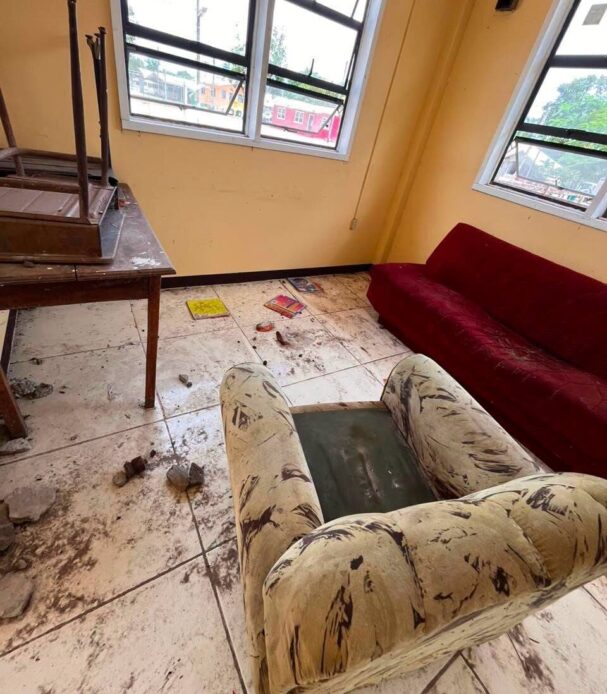
By Mark DaCosta- In a powerful outreach initiative led by the opposition, significant issues plaguing the indigenous community of St. Cuthbert’s Mission have come to the forefront, drawing urgent attention to the detrimental conditions faced by its residents. Azruddin Mohamed, the Leader of the Opposition and Head of the We Invest in Nationhood (WIN) party, emphasised a need for immediate government intervention to address the alarming variety of pressing challenges affecting this culturally rich but under-resourced village.
Nestled along the left bank of the Mahaica River in Region 4, St. Cuthbert’s Mission, also known as Pakuri, is a historically significant indigenous settlement. Founded in the late 19th century by Bernardo Emmanuel, an Arawak man, the community was initially named Pakuri, derived from the local Platonia trees. However, following the arrival of Anglican missionaries, it was rebranded St. Cuthbert’s Mission in 1889. Today, Pakuri serves as a cultural symbol of our nation, preserving the heritage of the Lokono (Arawak) people while facing contemporary struggles that threaten its development and sustainability.
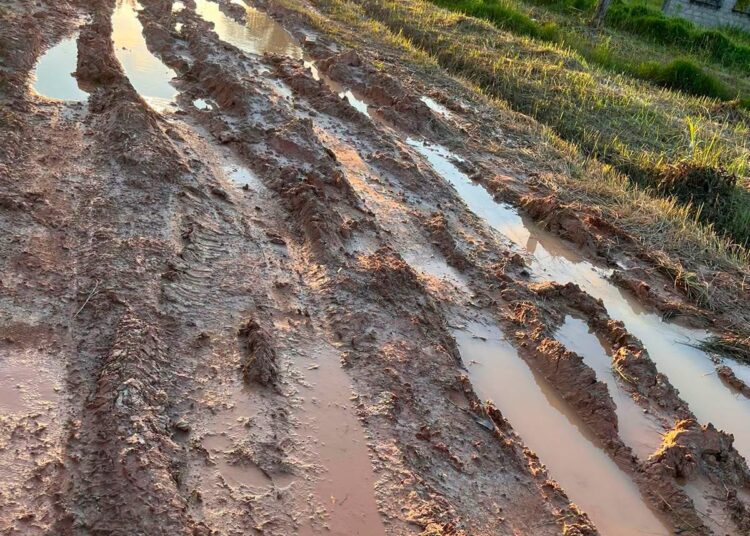
During a recent outreach, residents detailed a plethora of issues that underpin their daily lives, with the condition of the village’s main access road standing out as a pressing concern. Described as hazardous, especially during rainy seasons, the road consists primarily of loose crusher run, a situation that has led to numerous traffic accidents. Mohamed reiterated the community’s pleas, calling for the road’s completion and proper surfacing, noting that “a safe and reliable access road is essential for emergency response, education, commerce, tourism, and the overall development” of St. Cuthbert’s Mission.
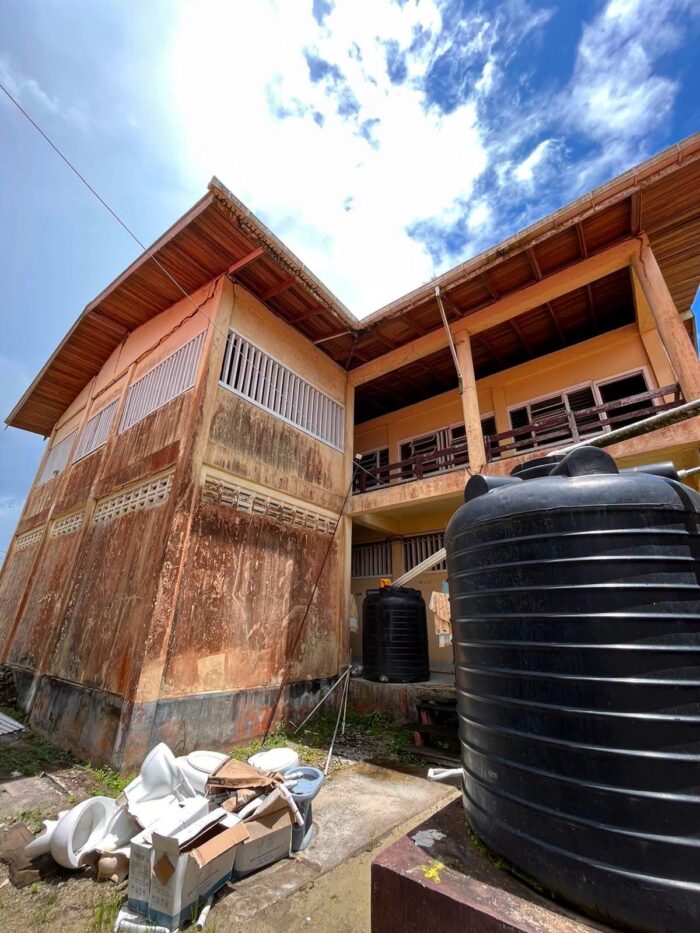
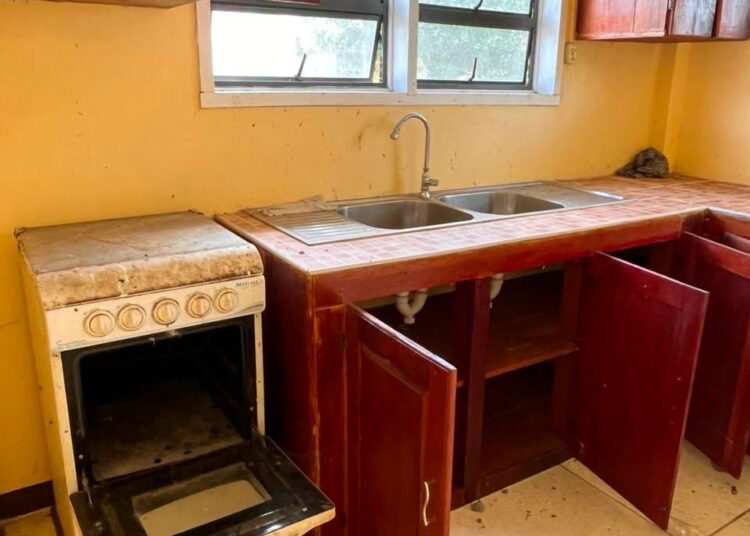
Deteriorating living conditions for teachers also garnered attention during the outreach. The living quarters for educators at both the primary and secondary levels are reportedly in disrepair, with inadequate design posing serious safety risks. Mohamed expressed shock that these conditions persist, especially when recruitment of teachers could be compromised due to a lack of suitable accommodations, stating that “the facilities are no longer suitable for occupancy.”
Moreover, the abandonment of the Home Economics Block project, which began construction in January 2024, continues to wreak havoc on students’ educational prospects. Residents highlighted that after work ceased in June without explanation, students were deprived of vital practical learning experiences. Mohamed called attention to the community’s frustration, urging the authorities to communicate transparently about the reasons for halting such an important facility.
Public safety, too, emerged as a critical concern. The local police station, tasked with protecting the community, reportedly lacks proper accommodations for the officers stationed there. The urgency of renovating and upgrading this facility cannot be overstated, as Mohamed pointed out the need for a “safe, habitable, and functional environment” from which officers can effectively serve.
Furthermore, the neglect faced by internal roads and bridges within the village has been exacerbated by heavy rains, making transportation increasingly treacherous. Residents have demanded regular maintenance and improvements, and Mohamed assured them that they would not be ignored. His leadership team is committed to pushing for immediate action, as he conveyed, “the community is calling for urgent improvements.”
Compounding these challenges is the village’s struggle with unreliable electricity. Reports indicate that St. Cuthbert’s Mission experiences electricity shortages daily, with residents suffering prolonged outages for nearly a month. Mohamed stressed the importance of dependable electricity for enhancing living conditions, furthering educational opportunities, supporting local businesses, and driving sustainable development. He remarked that “dependable electricity is essential for improving living conditions,” indicating a call for urgent intervention on this matter.
St. Cuthbert’s Mission, with its vibrant culture and deep-rooted traditions, faces significant challenges as it works to reconcile its heritage with modern demands. The economy, largely reliant on agriculture, particularly cassava cultivation, along with logging and crafting, remains resilient. Yet, without the necessary infrastructure and government support, the community’s potential will continue to be stifled.
The highlighting of these critical issues by Mohamed and his team serves as a crucial wake-up call to authorities. The residents of St. Cuthbert’s Mission deserve not just recognition of their challenges but actionable solutions to these pressing problems. The call to action is clear: the government must take responsibility for delivering essential public services and infrastructure improvements. Without swift intervention, the future of St. Cuthbert’s Mission, a beacon of our nation’s indigenous heritage, remains uncertain, leading to the diminished quality of life for its proud residents.