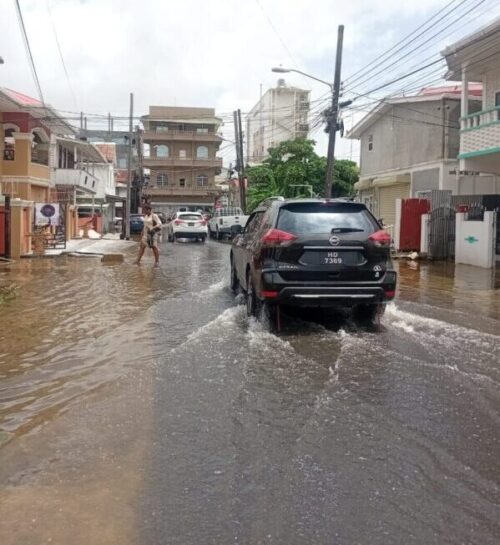
By Mark DaCosta- The current catastrophic flooding in Georgetown has laid bare the glaring inadequacies of our nation’s governance and infrastructure, prompting urgent calls for accountability and reform.
As rains deluge the capital, it becomes increasingly evident that the current state of our drainage and emergency response systems is wholly inadequate to cope with the climate challenges we face. Residents of various communities across Georgetown are grappling with rising water levels that threaten not only their homes but their very sense of security. Streets have transformed into rivers, rendering daily activities and commerce almost impossible.
In a statement dated May 30, the People’s National Congress Reform (PNCR) and A Partnership for National Unity (APNU) have voiced their deep concern, rallying support for affected families and demanding immediate governmental action. This situation highlights a broader issue: the government’s failure to prioritise the crucial infrastructure upgrades necessary to safeguard our communities against flooding, which is becoming an all-too-frequent occurrence.
According to the statement, Georgetown’s flooding crisis can be directly traced back to a combination of outdated infrastructure, severe rainfall intensity, and systemic administrative failures. Historically, the city’s drainage network was constructed during British colonial rule, designed to facilitate sugar plantation operations. However, as our nation has evolved, this network has become severely strained by rapid urbanisation and rising sea levels.
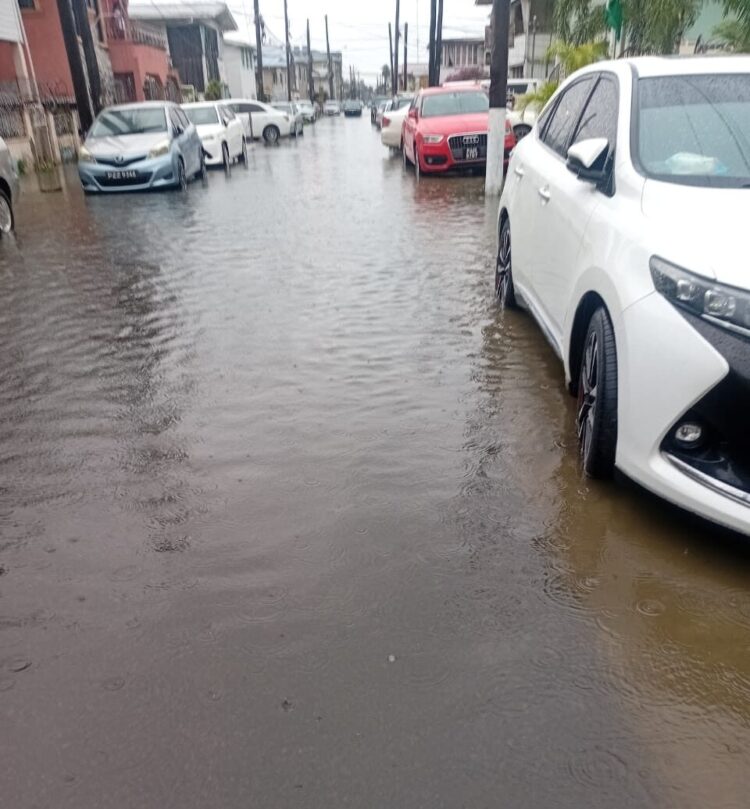
Current systems struggle under the weight of climate change, particularly when faced with sudden, heavy rainfall events. Data from early 2026 reveals troubling statistics; in a mere four hours, Georgetown experienced an astonishing 3.8 inches of rain, far exceeding the emergency drainage system’s capacity to manage its outflow. This alarming disparity puts the entire city at risk of flooding, a situation that is not only untenable but also indicative of gross negligence on the part of the ruling government.
Moreover, our drainage and irrigation systems are subject to chronic neglect. Blockages caused by household waste — ranging from plastic bottles to Styrofoam — are common, leading to severe obstructions in the network’s functioning. The lack of civic responsibility is compounded by an administrative void, wherein the municipal government’s stagnant revenue and ineffective resource allocation have rendered it incapable of maintaining a robust drainage system.
The human cost of this flooding is staggering. Businesses are forced to shut down, disrupting livelihoods and exacerbating economic vulnerabilities. Urban assessments indicate that Georgetown’s economic resilience is alarmingly low, underscoring a need for immediate intervention. With continued heavy rainfall, citizens are questioning how long they can sustain their economic activities in such catastrophic conditions.
The government’s previous investments in flood management — amounting to over G$240 billion from 2020 to 2025 — appear futile when an infrastructural misalignment persists. The sheer volume of expenditure has not responded to the root causes of our flood crises, thereby relegating emergency relief efforts to a repetitive cycle of recovery without addressing systemic issues.
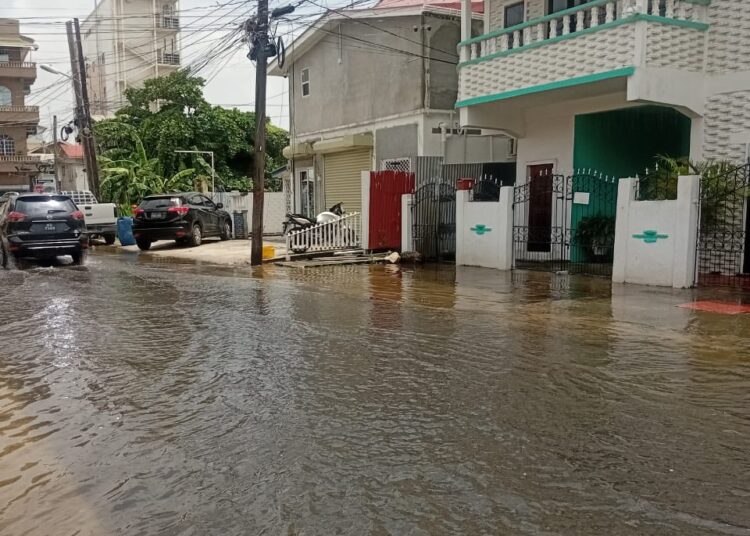
Health implications are equally dire. The stagnation of floodwaters transforms our communities into breeding grounds for waterborne and vector-borne diseases, posing increased risks of illnesses such as dengue fever and leptospirosis. As floodwaters mix with waste and debris, residents face significant sanitary hazards, putting their health and wellbeing at grave risk. The government’s reluctance to address these fundamental health and sanitation issues is a failure of huge proportions. Instead of proposing timely interventions or comprehensive assessments of our drainage systems, the administration seems more inclined to publicly assure citizens while privately avoiding genuine accountability.
The appeal from the PNCR/APNU for immediate action from the government reveals a deep-seated frustration with a lack of proactive measures. Urging the authorities to expedite preparations for potential evacuations and ensure the availability of temporary shelters and medical assistance resounds with urgency. Previous experiences during crises suggest that our vulnerable citizens are often left without coherent strategies or support in the face of disaster.
As the water rises and residents grapple with the consequences of this flooding crisis, our government’s apparent inaction serves as a stark reminder of the need for urgent reforms. It is incumbent upon the ruling administration to take a hard look in the mirror and re-evaluate their stewardship of our nation’s resources. The safety and welfare of our citizens must take precedence over political expediency.
As we face increasing extremes brought on by climate change, concerted efforts must be made to prioritise infrastructure to restore confidence within our communities. According to one analyst, “Our government’s apparent tendency to align itself with powerful leaders who blindly oppose the reality of climate change will cost our people much, and hurt our country deeply.”